NLC Demands ₦225,000 Minimum Wage for Lagos Workers Amid Rising Inflation
Labour Seeks Major Wage Review in Lagos, Proposes ₦225,000 Benchmark
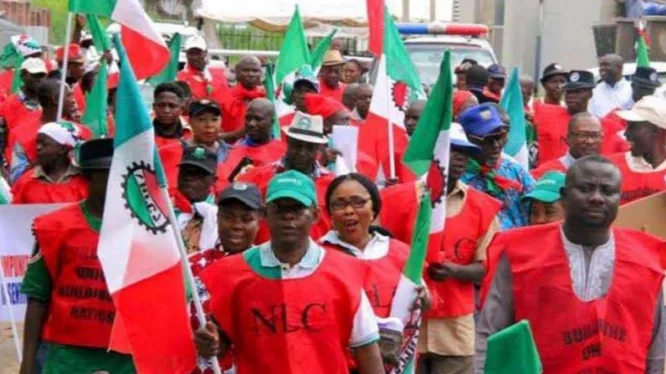
The Lagos State chapter of the Nigeria Labour Congress (NLC) has called for an increase in the minimum wage to ₦225,000, up from the current ₦85,000, citing rising inflation and escalating living costs. The demand was made during the 2026 International Workers’ Day celebration in Lagos, reflecting growing pressure on policymakers to address declining real incomes.
/ You Might Also Like /


Labour’s Case for Wage Adjustment
The NLC, through its Lagos State Chairperson, Funmi Sessi, stated that the existing wage structure no longer meets the basic needs of workers. The union argued that inflation has significantly eroded purchasing power, making it difficult for employees to afford essentials such as housing, transportation, healthcare, and food.
The proposed ₦225,000 benchmark represents a substantial upward revision aimed at restoring income adequacy and ensuring industrial stability. Labour leaders emphasised that the adjustment is necessary to reflect current economic realities in Lagos, Nigeria’s commercial hub.
Inflation and Cost of Living Pressures
The demand comes amid sustained inflationary pressures across Nigeria, which continue to weaken real wages. Rising prices of essential goods and services have intensified financial strain on households, particularly in urban centres such as Lagos where living costs remain among the highest in the country.
Labour representatives noted that the gap between wages and living costs has widened significantly since the last wage adjustment, necessitating urgent policy intervention to prevent further deterioration in workers’ welfare.
Context: National Minimum Wage Debate
Nigeria’s current national minimum wage stands at ₦70,000, following the enactment of the 2024 Minimum Wage Act. However, implementation has varied across states, and labour unions have consistently pushed for further reviews in response to inflation and economic hardship.
Recent proposals from organised labour at the national level have ranged from ₦154,000 to higher figures, indicating a broader trend of wage renegotiation across the country.
Government Response and Ongoing Engagement
While the Lagos State Government has not formally approved the proposed ₦225,000 wage, it has indicated willingness to engage with labour unions. During the May Day event, the government announced a ₦50,000 wage award for public sector workers as a temporary measure to cushion the impact of rising living costs.
Officials reiterated that dialogue with organised labour remains ongoing, with negotiations expected to shape future wage adjustments in the state.
Implications for Policy and the Economy
The demand for a ₦225,000 minimum wage highlights the increasing tension between wage policy and macroeconomic conditions. For policymakers, balancing worker welfare with fiscal sustainability will remain a critical challenge.
For businesses and investors, higher wage benchmarks could influence labour costs, pricing structures, and overall economic competitiveness, particularly in Lagos, which serves as Nigeria’s primary commercial centre.
The NLC’s call for a ₦225,000 minimum wage in Lagos underscores the growing impact of inflation on workers’ livelihoods and the urgency of wage reform. As negotiations continue, the outcome will have significant implications for labour relations, economic policy, and income stability in Nigeria’s largest urban economy.
READ MORE