FG Approves ₦7tn Road and Bridge Projects to Boost National Infrastructure
FG Approves Landmark ₦7tn Road Projects Across All Regions
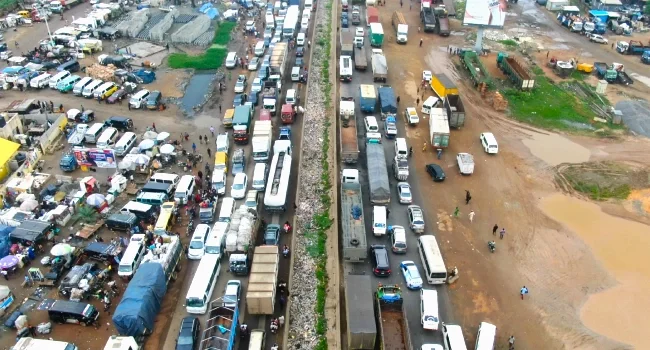
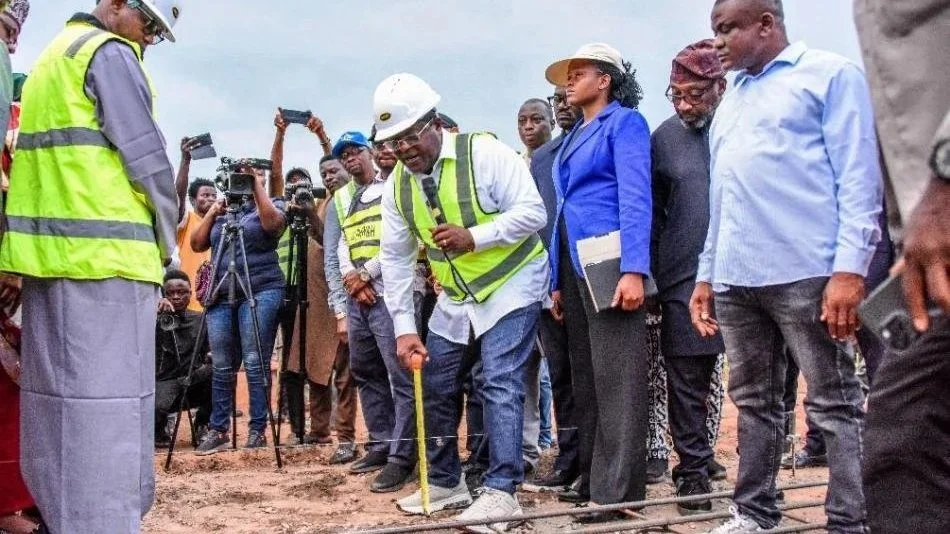
Nigeria’s Federal Executive Council (FEC) has approved over ₦7tn for road and bridge projects across the country, marking one of the largest infrastructure investment decisions in recent years. The projects span all six geopolitical zones and are designed to enhance connectivity, stimulate economic activity, and address long-standing infrastructure deficits.
/ You Might Also Like /


Infrastructure Expansion Across Regions
The approved projects include a mix of new highway constructions, bridge reconstructions, and upgrades to existing road networks. According to the Minister of Works, David Umahi, the initiative covers 10 major projects strategically distributed nationwide to ensure balanced regional development.
Among the flagship projects is the ₦1.86tn extension of the Lagos-Calabar Coastal Highway through Akwa Ibom State, a critical corridor expected to improve connectivity along Nigeria’s southern coastline.
The council also approved ₦548.98bn for the complete demolition and reconstruction of the Carter Bridge in Lagos following structural assessments that confirmed severe deterioration.
Strategic Corridors and Key Projects
Another major component is the ₦1.79tn Sokoto–Badagry Expressway section, a transnational corridor designed to improve trade flows across multiple states.
Additional projects approved include:
Ibadan–Ijebu-Ode road dualisation (₦295bn)
Oshogbo–Akoda–Bunga road (₦101bn)
Oshogbo–Iwo–Ibadan road (₦114bn)
Yobe–Gombe road (₦1.25tn)
Bodo–Bonny road extension (₦151bn)
These projects are expected to strengthen regional integration and improve access to key economic hubs, including oil and gas corridors and agricultural zones.
Reviving Stalled and Legacy Projects
The government has also restructured several previously stalled infrastructure projects. For example, the Suleja–Minna road, which experienced prolonged delays under earlier financing arrangements, has been divided into two contracts valued at ₦91bn and ₦93bn to accelerate delivery.
Similarly, the reconstruction of the Mando–Birnin Gwari road in Kaduna State, valued at ₦178.12bn, fulfils a long-standing infrastructure commitment aimed at improving northern connectivity.
Engineering and Design Upgrades
The Carter Bridge reconstruction highlights the government’s shift towards long-term infrastructure resilience. Engineering assessments revealed that the bridge’s underwater components had deteriorated beyond repair, necessitating a complete rebuild rather than rehabilitation.
The redesigned structure will expand from 1.525 kilometres to 1.93 kilometres and include additional flyover ramps to ease congestion and improve traffic flow in Lagos.
Economic and Investment Implications
The Federal Government stated that the projects are intended to stimulate economic growth, enhance logistics efficiency, and create employment opportunities nationwide. Improved road networks are expected to reduce transportation costs, facilitate trade, and increase productivity across key sectors.
The scale of investment also signals increased opportunities for contractors, infrastructure investors, and financial institutions. Notably, some of the projects, including sections of the Sokoto–Badagry corridor, have attracted strong international financing interest.
Execution and Delivery Outlook
While the scale of the approvals reflects a strong policy commitment, analysts emphasise that execution will determine the programme’s success. Key factors include funding transparency, contractor performance, and adherence to delivery timelines.
The government has indicated that several completed projects will be commissioned ahead of the current administration’s anniversary, signalling a focus on visible progress and accountability.
The approval of over ₦7tn for road and bridge projects represents a significant escalation in Nigeria’s infrastructure agenda. By targeting strategic corridors, rebuilding critical assets, and reviving stalled projects, the Federal Government aims to strengthen national connectivity and support economic growth. Sustained impact will depend on efficient execution, transparent governance, and long-term maintenance planning.
READ MORE