Infrastructure Oversight: Umahi Calls for Independent Audit of Federal Road Projects
Nigeria’s Works Ministry Opens Projects to Anti-Graft Scrutiny
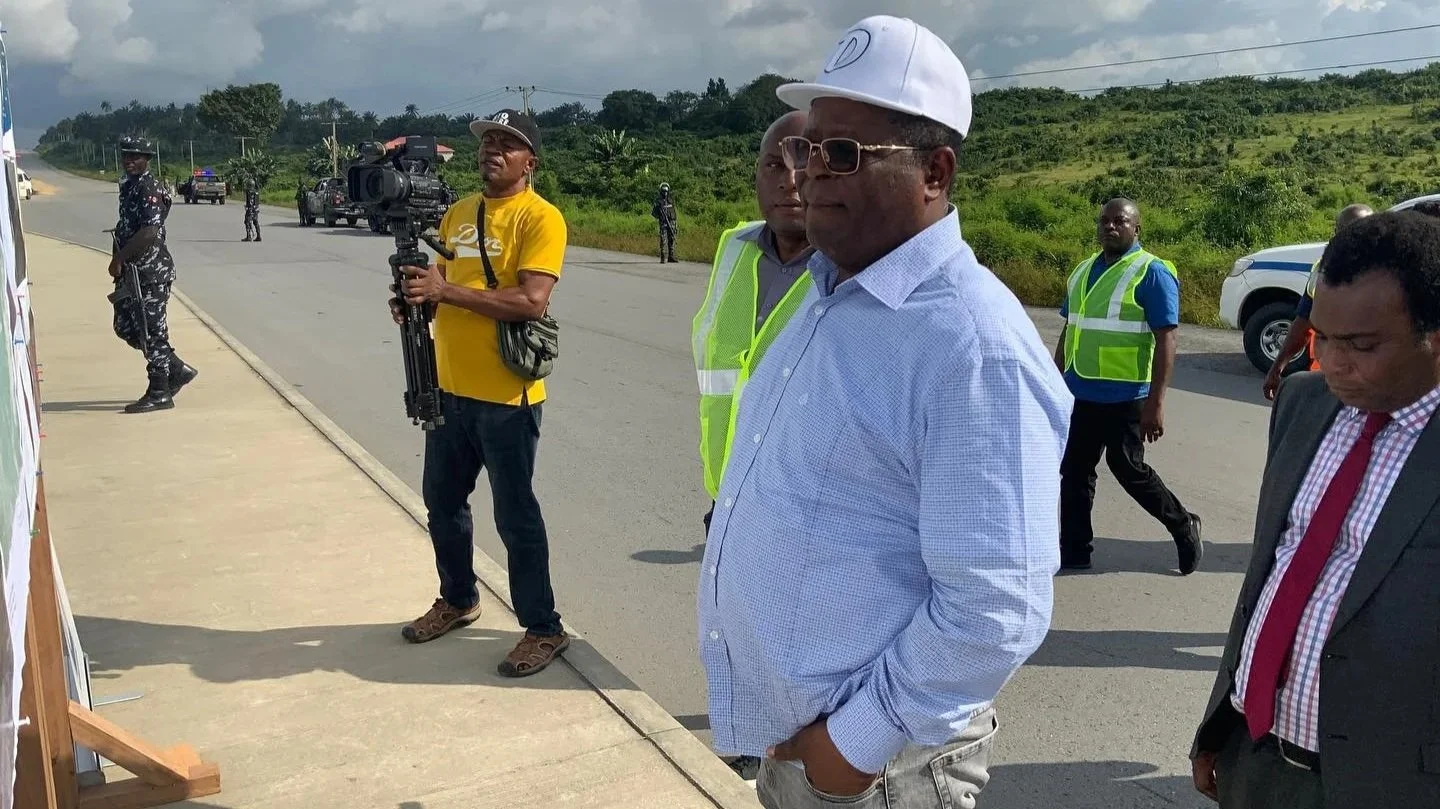
Nigeria’s Minister of Works, David Umahi, has invited the Economic and Financial Crimes Commission and the Independent Corrupt Practices and Other Related Offences Commission to investigate all contracts and ongoing projects under the ministry. The move, announced in Abuja, aims to reinforce transparency, address corruption allegations, and rebuild public confidence in infrastructure delivery.
Full-Scale Probe of Infrastructure Projects
Umahi confirmed that both anti-graft agencies received formal requests to conduct comprehensive reviews of federal road projects. The scope of the probe extends beyond documentation to include on-site verification of project execution nationwide.
The ICPC has already commenced its review process, focusing on procurement procedures and compliance frameworks, while the EFCC is expected to begin its investigation after the Sallah break.
The minister stated that the ministry has “nothing to hide,” emphasising that all project records, cost structures, and implementation details remain open to scrutiny by investigators and the public.
Addressing Allegations and Strengthening Public Trust
The decision follows increasing public scrutiny over alleged mismanagement and inefficiencies in Nigeria’s road infrastructure sector. Historically, the sector has faced challenges including inflated contracts, abandoned projects, and weak oversight mechanisms.
Umahi framed the probe as a proactive governance measure rather than a reactive response, noting that transparency remains central to restoring trust in public institutions. By inviting independent oversight, the ministry seeks to demonstrate accountability and validate its procurement and execution processes.
He also urged the media to prioritise fact-based reporting, warning against the spread of unverified claims that could undermine public confidence in ongoing infrastructure reforms.
Policy Context: Infrastructure as an Economic Lever
The Works Ministry plays a central role in Nigeria’s economic strategy, with road infrastructure serving as a key enabler of trade, mobility, and regional integration. For the 2025 fiscal cycle, the ministry proposed approximately ₦3.24 trillion in capital expenditure, largely targeted at completing legacy road projects.
Umahi also defended the ministry’s transition from asphalt to concrete road construction, arguing that concrete roads offer longer lifespans up to 100 years with reduced maintenance costs.
This policy shift, while controversial, aligns with a long-term infrastructure strategy focused on durability and cost efficiency. However, it has attracted resistance from stakeholders accustomed to traditional construction models.
/ You Might Also Like /



Governance and Institutional Implications
The invitation to anti-corruption agencies represents a notable governance signal within Nigeria’s public sector. Analysts suggest that institutionalising independent audits could improve project execution standards and reduce systemic inefficiencies.
If sustained, this approach may establish a precedent for other ministries, particularly those managing large-scale capital expenditures. It also aligns with broader federal efforts to strengthen accountability under ongoing economic reform initiatives.
The Works Ministry’s decision to open its projects to EFCC and ICPC scrutiny marks a significant step in Nigeria’s infrastructure governance framework. By prioritising transparency and independent oversight, the government aims to rebuild public trust and enhance the credibility of its infrastructure agenda.
The effectiveness of this initiative will depend on the thoroughness of investigations, institutional independence, and the implementation of any corrective measures arising from the findings.
READ MORE