UK to Increase Visa, ETA, and Citizenship Fees from April 2026
UK Tightens Immigration Cost Structure with New Fee Increases
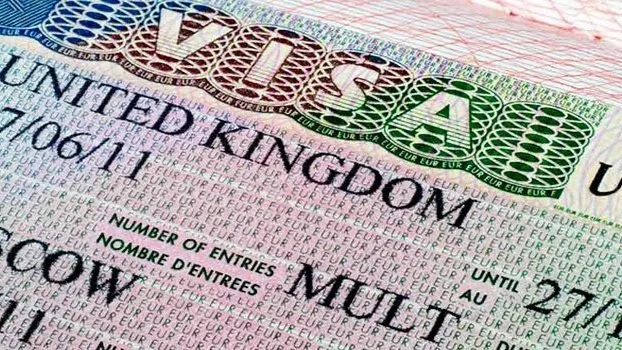
The United Kingdom will increase visa, Electronic Travel Authorisation (ETA), and citizenship application fees from April 2026, as part of a broader adjustment to its immigration cost structure. The changes, announced by the UK Home Office, will affect a wide range of applicants, including tourists, students, workers, and those seeking permanent residency or citizenship.
Broad-Based Fee Increases Across Visa Categories
The revised fee structure, scheduled to take effect from 8 April 2026, introduces increases across multiple visa categories. Most application fees are expected to rise by approximately 6 to 7 percent, affecting short-term visit visas, long-term visas, and settlement routes.
For example, the standard short-term visit visa (up to six months) will increase from £127 to £135, reflecting a broader upward adjustment across entry clearance categories.
The increases extend to work and study visas, as well as sponsorship-related charges paid by employers, signalling a system-wide revision of immigration costs.
/ You Might Also Like /




ETA Fee Increase and Expanded Application
A key component of the changes is the increase in the cost of the UK’s Electronic Travel Authorisation (ETA), a digital pre-travel requirement for visa-exempt visitors.
The ETA fee will rise to £20, up from the previous £16, representing a 25 percent increase.
The ETA system, fully implemented in 2026, applies to travellers from visa-free countries and is mandatory for entry into the UK for short stays. Authorities state that the fee adjustment reflects ongoing reviews of border security and administrative costs.
Citizenship and Settlement Fees Also Affected
Fees for citizenship and settlement applications will also increase under the new framework. Proposed changes include raising the maximum fee for naturalisation applications from £1,605 to £1,709, alongside increases in registration and related nationality services.
Similarly, settlement-related fees and long-term visa routes will see incremental increases, aligning with the government’s broader cost-recovery approach.
Policy Rationale: Cost Recovery and System Sustainability
The UK government has framed the fee increases as part of efforts to ensure that the immigration system is financially sustainable. By raising application charges, authorities aim to reduce reliance on public funding and cover administrative, processing, and border security costs.
This approach reflects a wider trend among advanced economies, where immigration systems are increasingly funded through user fees rather than general taxation.
Implications for Travellers and Migrants
The fee increases will have direct financial implications for individuals and organisations engaging with the UK immigration system:
Travellers: Higher upfront costs for visas and ETAs may influence travel decisions, particularly for short-term visits
Students and workers: Increased application fees add to the overall cost of relocation, alongside existing charges such as the Immigration Health Surcharge
Employers: Rising sponsorship and visa costs may affect hiring strategies for international talent
For frequent travellers and multinational organisations, cumulative costs could rise significantly over time.
Global Context and Competitiveness
The UK’s decision to raise immigration fees comes amid intensifying global competition for talent and tourism. While higher fees may support fiscal objectives, they also risk affecting the country’s competitiveness relative to other destinations with lower entry costs.
However, policymakers appear to be prioritising system sustainability and operational efficiency over cost competitiveness in the short term.
The planned increase in UK visa, ETA, and citizenship fees from April 2026 marks a significant shift in the country’s immigration cost structure.
As fees rise across multiple categories, travellers, migrants, and employers will need to adjust to higher entry and compliance costs. The long-term impact will depend on how these changes influence travel demand, talent mobility, and the UK’s position in the global migration landscape.
READ MORE