Tony Elumelu Backs $15bn West African Infrastructure Investment Pipeline

Elumelu Backs Regional Investment Drive to Close West Africa’s Infrastructure Gap
Nigerian businessman Tony Elumelu is backing a proposed $15 billion investment pipeline designed to finance infrastructure projects across West Africa, as regional leaders seek to address the infrastructure deficit affecting economic growth, trade and industrial development. The initiative has identified 26 projects worth more than $10 billion from 170 submissions across more than 10 countries, with organisers targeting a portfolio worth at least $15 billion ahead of the West Africa Integration and Investment Summit in Sierra Leone in November 2026.
/ You Might Also Like /




Elumelu, chairman of Heirs Holdings and co-chair of the summit, is working with regional stakeholders to identify viable projects and present them to potential financiers, including United Bank for Africa (UBA), the African Export-Import Bank (Afreximbank), the Africa Finance Corporation (AFC) and Africa50.
West Africa Targets $15bn Infrastructure Investment Pipeline
The proposed investment pipeline aims to move infrastructure projects from initial proposals towards financing discussions with regional financial institutions and other potential investors.
Kandeh Kolleh Yumkella, special envoy for the West Africa Integration and Investment Summit, said organisers received 170 project submissions and selected 26 projects worth more than $10 billion from over 10 countries.
The portfolio is expected to reach $15 billion or more by the summit, scheduled for November 17 and 18 in Sierra Leone.
The proposed pipeline represents a collection of investment opportunities under consideration rather than $15 billion in confirmed financing. The extent to which the initiative translates into completed investments will depend on project assessments, financing agreements and implementation arrangements.
The summit, initiated by Sierra Leone's President Julius Maada Bio, seeks to strengthen cooperation between governments, businesses and financial institutions to accelerate investment across the region.
Energy, Trade and Digital Infrastructure Lead Priorities
The proposed investment portfolio will focus on energy, trade, industrialisation, strategic minerals, agriculture and digital infrastructure.
These sectors support economic activity across West Africa by providing electricity, improving access to markets, strengthening supply chains and expanding digital connectivity.
Energy projects could help address electricity constraints affecting businesses and industrial operations. Investments in trade and transport infrastructure could improve the movement of goods across borders, while digital infrastructure could strengthen connectivity for businesses and consumers.
Agriculture and strategic minerals also feature among the priority areas, reflecting efforts to expand productive capacity and support regional value chains.
The involvement of financial institutions such as Afreximbank, AFC and Africa50 could provide a route for selected projects to undergo further assessment and financing discussions. However, their participation in reviewing the opportunities does not establish that they have committed funds to every project in the pipeline.
Regional Financing Initiative Seeks to Address Infrastructure Deficit
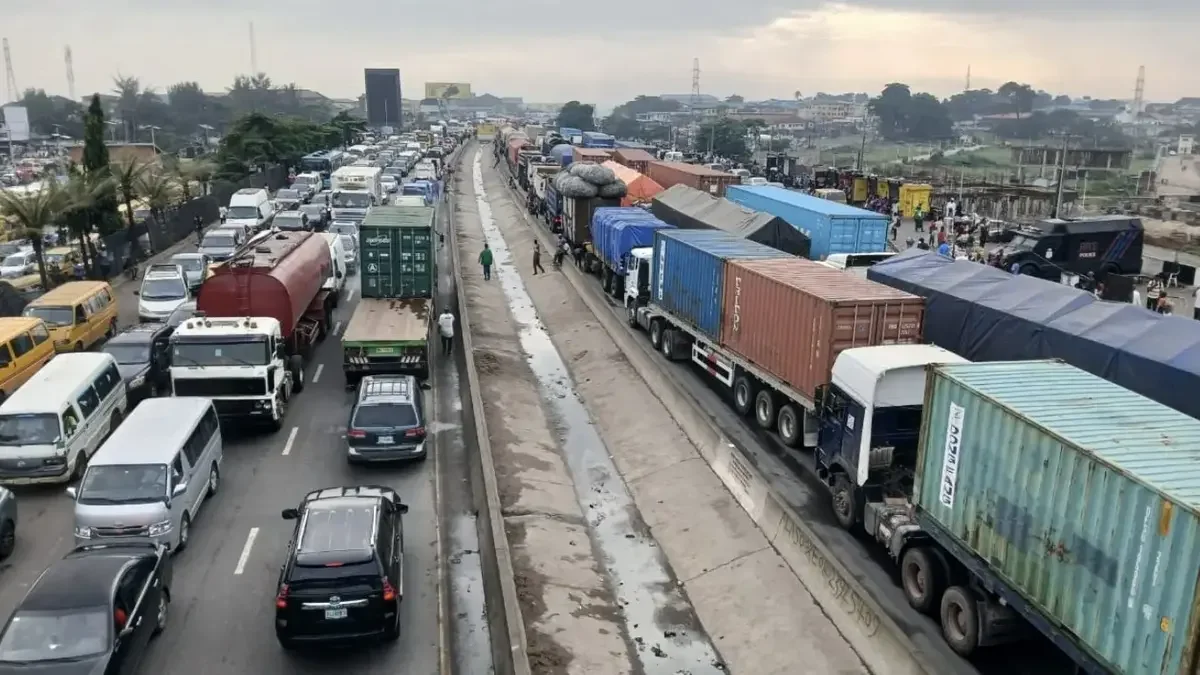
West African countries continue to face infrastructure constraints that affect industrial development, business productivity and regional trade.
Insufficient electricity supply, transport bottlenecks and gaps in digital connectivity can increase operating costs and limit the ability of businesses to reach larger markets.
The proposed pipeline seeks to bring together projects from multiple countries and present them to potential financiers through a coordinated regional initiative.
Such an approach could help make suitable projects more visible to investors and encourage cooperation around infrastructure that serves several markets. Cross-border projects, in particular, require coordination among governments on regulation, financing, construction and long-term operations.
The initiative's impact will depend on whether selected projects secure financing and progress to implementation, rather than remaining at the proposal stage.
Infrastructure Investment Has Implications for Housing Development
Although housing is not identified as a primary focus of the proposed investment pipeline, infrastructure development can influence the cost and feasibility of housing delivery across West Africa.
Reliable electricity, better transport links and improved digital connectivity can support residential development by making locations more accessible and reducing some of the operational challenges facing households and businesses.
Transport improvements can also expand the areas in which workers can reasonably live while accessing employment centres. Similarly, stronger power infrastructure can reduce reliance on private generators, although the effect on housing costs will depend on the scale, location and reliability of improvements.
For developers, infrastructure investment can influence site selection, project viability and demand for housing in emerging urban and industrial centres.
However, these benefits are not automatic. Housing affordability also depends on land costs, construction materials, access to mortgage finance, planning systems and household incomes. The proposed pipeline has not established a direct allocation for housing projects.
November Summit to Test Investment Commitments
The West Africa Integration and Investment Summit, scheduled for November 17–18 in Sierra Leone, is expected to bring governments, investors and development finance institutions together to advance the proposed projects.
The next stage will involve presenting the selected opportunities to potential financiers and determining which projects can secure the necessary capital and move towards implementation.
For the initiative to deliver measurable economic benefits, project selection must lead to clear financing arrangements, defined implementation timelines and accountability for delivery.
The organisers have also indicated that they intend to monitor whether the investment pipeline results in actual capital flows, highlighting the distinction between assembling projects and securing the funds required to build them.
Investment Delivery Will Determine the Pipeline's Impact
The proposed $15 billion pipeline signals an effort to mobilise private and institutional capital for infrastructure across West Africa. Its priority sectors include energy, trade, industrialisation, agriculture, strategic minerals and digital connectivity.
For Nigeria and its regional neighbours, the central question is whether the selected projects can attract financing and deliver infrastructure that improves productivity, strengthens regional trade and supports long-term development.
The November summit will provide an important opportunity for project sponsors and financiers to advance discussions. The pipeline's eventual contribution to economic growth, business investment and urban development will depend on the financing secured and the projects successfully delivered.
READ MORE