Nigeria Targets 5,000 Mortgages by 2028 as Maximum Loan Rises to ₦85m
Nigeria Moves to Expand Mortgage Access With ₦85m Loan Ceiling
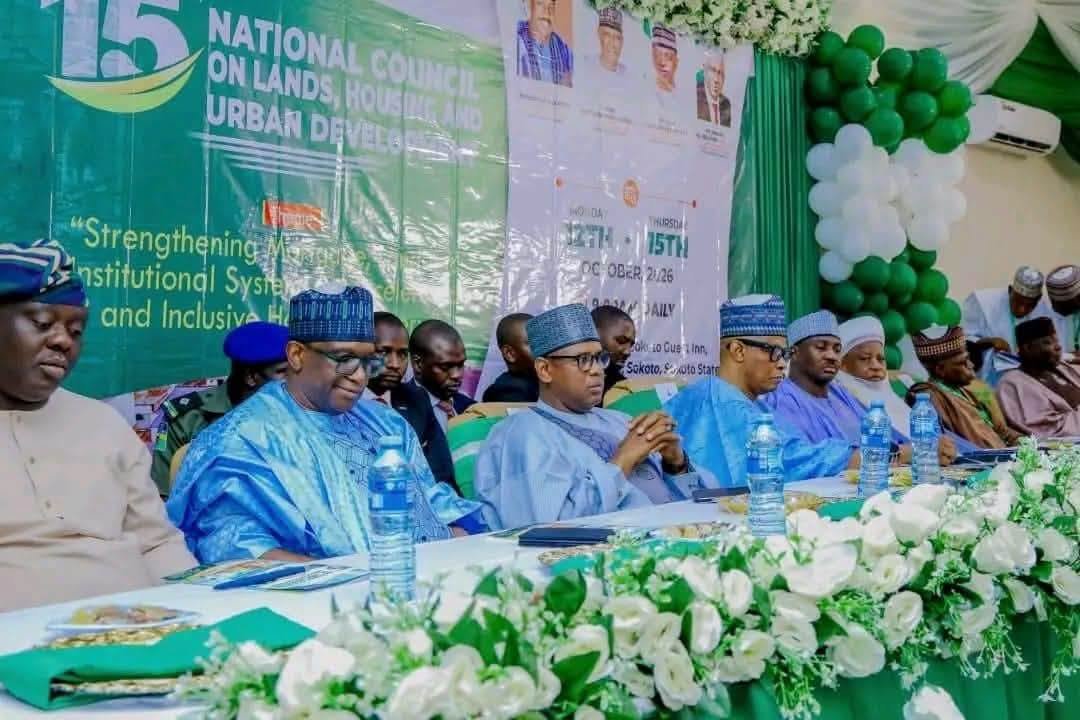
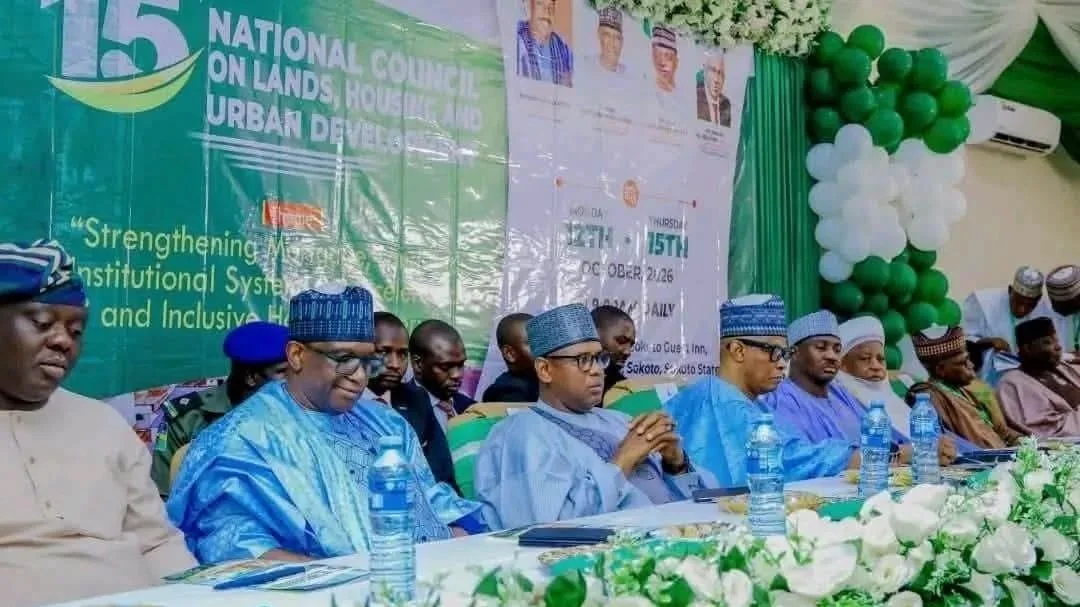
Nigeria plans to increase mortgage delivery to 5,000 by 2028 and raise the maximum mortgage loan from ₦50 million to ₦85 million as the Federal Government pursues reforms to expand access to homeownership. Minister of Housing and Urban Development, Muttaqha Rabe Darma, announced the targets at the 15th Meeting of the National Council on Lands, Housing and Urban Development in Sokoto on 15 October 2026.
/ You Might Also Like /




The proposed changes include directing the Federal Mortgage Bank of Nigeria (FMBN) to increase mortgage disbursements, allocating a larger share of mortgage bookings to informal-sector workers and establishing a National Housing Finance Authority to improve coordination and accountability across the housing finance system.
The Guardian Nigeria
+1
Government Plans Higher Mortgage Disbursements
The government is targeting 2,000 mortgages in 2026, with the number expected to rise to 5,000 by 2028. The plan seeks to narrow the gap between workers' contributions to the National Housing Fund (NHF) and the mortgage financing available to eligible contributors.
Darma said the government was directing FMBN to channel at least 70 per cent of the previous year's NHF contributions into mortgage facilities annually.
The proposed approach would strengthen the link between housing savings and access to home loans, allowing more contributors to use the fund to finance homeownership.
However, achieving the targets will depend on the availability of funds, the bank's capacity to process applications and the ability of prospective borrowers to meet the applicable lending requirements.
Maximum Mortgage Loan Set to Increase to ₦85 Million
The proposed increase from ₦50 million to ₦85 million would raise the maximum mortgage loan limit by ₦35 million, representing a 70 per cent increase.
A higher ceiling could enable eligible borrowers to finance more expensive properties or obtain larger loans where the existing limit falls short of their housing needs.
However, the proposed increase does not automatically make homes more affordable. Actual affordability will depend on interest rates, repayment periods, household income, equity contributions and property prices.
The government has not yet detailed the revised loan terms, eligibility requirements or implementation timetable for the proposed ₦85 million ceiling.
For prospective homebuyers, these details will determine whether the higher limit translates into more accessible financing or primarily benefits borrowers who already have the income to service larger loans.
Informal-Sector Workers to Receive Greater Access
The government also plans to allocate between 30 and 40 per cent of mortgage bookings to informal-sector workers, many of whom struggle to qualify for conventional home loans.
Unlike salaried employees, informal-sector workers may not have regular payslips, formal employment records or predictable monthly earnings. These factors can make it difficult for lenders to assess their repayment capacity using conventional lending criteria.
The proposed allocation seeks to widen access to mortgage finance among traders, artisans, self-employed professionals and other workers outside formal employment.
Effective implementation will require lending arrangements that can assess irregular income reliably while maintaining appropriate credit standards. Flexible documentation requirements and repayment structures suited to variable earnings could help more eligible applicants participate.
The government has yet to publish the detailed criteria that will determine how informal-sector applicants qualify for the proposed mortgage allocation.
National Housing Finance Authority Planned
Another major component of the proposed reforms is the establishment of a National Housing Finance Authority.
According to the minister, the institution would provide a more coordinated framework for housing finance, strengthen accountability and improve the performance of the sector.
A more coordinated system could help align mortgage lending, housing savings, refinancing and other financing mechanisms. It could also clarify institutional responsibilities and improve oversight of programmes designed to expand homeownership.
The announcement did not specify the authority's proposed structure, regulatory powers, funding arrangements or relationship with existing housing finance institutions.
These details will be important in determining how the new institution would complement FMBN and other organisations involved in housing finance.
Diaspora Mortgage Programme to Expand Market Participation
Darma also highlighted the government's Diaspora Mortgage Programme, which aims to enable Nigerians living abroad to finance homeownership in Nigeria.
The programme offers a route for members of the Nigerian diaspora to participate in the domestic housing market while potentially broadening the pool of funds available for residential property purchases.
Its effectiveness will depend on clear eligibility rules, transparent property verification, reliable payment arrangements and confidence in the administration of mortgage transactions.
The government has not provided further details on how the proposed ₦85 million mortgage ceiling would apply to diaspora applicants or whether the programme would operate under separate lending conditions.
Housing Stakeholders Call for Further Affordability Measures
At the meeting, Chairman of the House Committee on Urban Development and Regional Planning, Awaji-Inombek Abiante, identified additional reforms that could improve housing affordability and access to homeownership.
His recommendations included single-digit interest rates on housing loans, a review of housing prices, more efficient land registration and stronger development control.
He also proposed introducing a National Housing Identification Number and promoting locally sourced building materials to reduce construction costs.
These measures address factors that extend beyond mortgage availability. Even when prospective buyers can access financing, high construction costs, expensive land and elevated borrowing rates can prevent them from purchasing suitable homes.
Lower financing costs could reduce monthly repayment obligations, while improvements in land administration and the availability of local building materials could help address some of the costs associated with housing development.
The recommendations would require coordination among government agencies, financial institutions, developers and other stakeholders to translate policy proposals into practical changes.
Mortgage Expansion Remains Central to Housing Affordability
The proposed reforms reflect the government's recognition that increasing housing supply alone will not resolve Nigeria's homeownership challenges. Buyers also need financing that matches their income levels and enables them to spread property payments over time.
The planned increase in mortgage delivery, higher loan ceiling and targeted allocation for informal-sector workers could widen access to formal housing finance if the government implements the measures effectively.
However, the final impact will depend on the terms of the loans, the availability of funding, the affordability of homes and the ability of lenders to serve borrowers across different income groups.
For Nigeria's housing market, the key test will be whether the reforms convert more housing contributions and financing resources into completed mortgage transactions that enable households to purchase homes.
READ MORE