The Federal Government has advanced the procurement process for four satellites
he Federal Government has begun the procurement process for four additional satellites approved by President Bola Tinubu and the Federal Executive Council (FEC), as Nigeria moves to strengthen its space technology capabilities and develop greater capacity for satellite manufacturing.
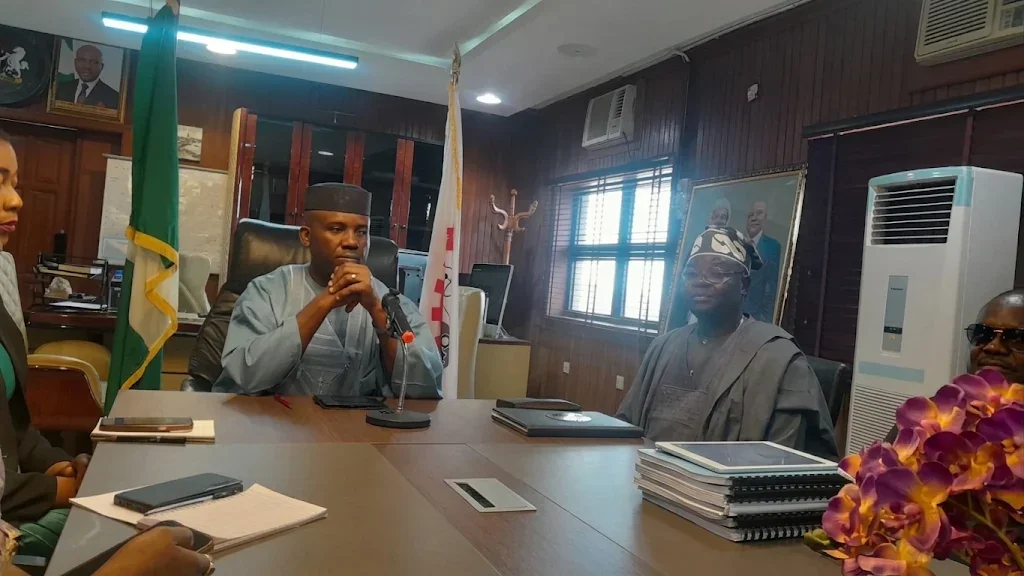
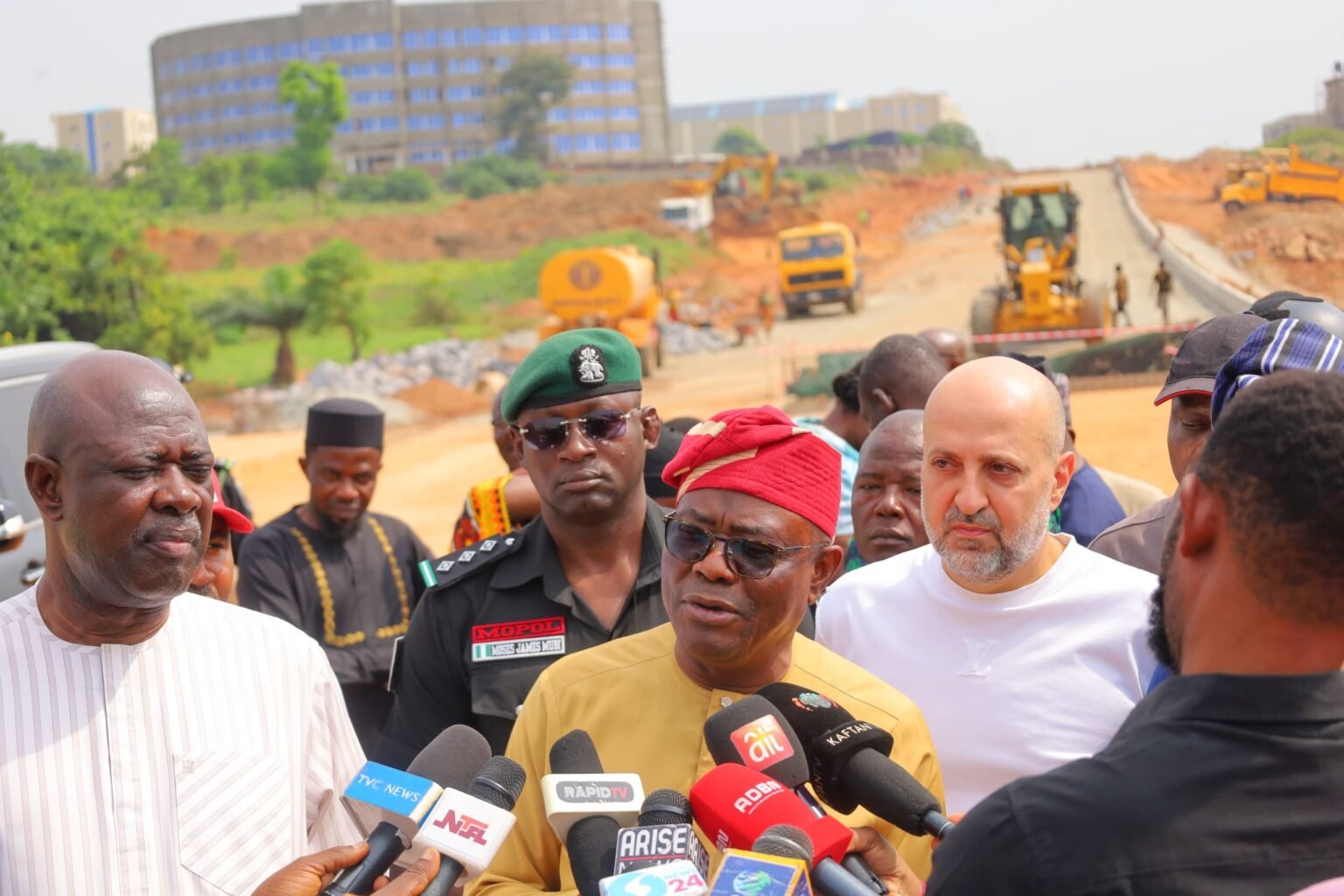
The Minister of Innovation, Science and Technology, Kingsley Udeh, disclosed this on Wednesday, 11 November 2026, during a news conference in Abuja ahead of the African Space Economy, Innovation and Communication Conference (ASEICC 2026).
/ You Might Also Like /




According to the minister, the procurement process has reached the stage of recommending successful bidders following an international competitive bidding exercise involving companies from China, Israel, Europe, the United States and Nigeria.
Officials from the ministry, the National Space Research and Development Agency (NASRDA) and the Bureau of Public Procurement (BPP) have also inspected the facilities of some manufacturers to verify their technical capabilities and other claims before making recommendations.
The next stage will involve approval to award the contracts, which will also require FEC approval because of the substantial funding involved.
Four Satellites to Expand Nigeria's Space Capabilities
The four satellites form part of Nigeria's efforts to strengthen its space infrastructure and improve its capacity to collect and use satellite-based information.
The broader six-satellite programme reported earlier comprises three optical Earth observation satellites, one Synthetic Aperture Radar (SAR) satellite and two communication satellites, NigComSat-2A and NigComSat-2B.
The optical satellites are expected to provide high-resolution imagery of the Earth's surface, while the radar satellite will offer imaging capabilities that can support monitoring in conditions where conventional optical systems face limitations, including cloud cover and darkness.
The two communication satellites are intended to expand broadband, broadcasting and other satellite communication services.
The latest procurement update concerns the four additional satellites, with the government yet to announce the successful manufacturers or final contract awards.
Government Targets Local Satellite Manufacturing Capacity
Beyond acquiring new space assets, the government wants to strengthen Nigeria's ability to design, manufacture and launch satellites locally.
Udeh said African countries must move beyond depending on foreign companies to manufacture their satellites and invest in the technical expertise and infrastructure required to develop indigenous capabilities.
He disclosed that Lagos State had allocated land in Epe for a proposed satellite propulsion and transportation facility, following a recommendation from the previous African space conference.
The proposed facility forms part of efforts to establish the infrastructure needed to support satellite development and eventual launch activities within Nigeria.
The minister said the government was taking practical steps towards building domestic capacity rather than relying solely on policy proposals.
Nigeria Seeks Wider Participation in Africa's Growing Space Economy
The government also expects the new satellites to create opportunities for regional cooperation and commercial services.
Udeh said the satellites would provide services to Nigeria and other African countries interested in accessing their capabilities, potentially generating revenue through partnerships and satellite-based services.
He put the value of Africa's space economy at more than $25 billion, with an annual growth rate of 7.97 per cent, describing it as one of the continent's expanding industries.
The minister made the remarks ahead of ASEICC 2026, scheduled to hold in Abuja from 24 to 27 November under NASRDA's hosting. The conference will bring together African space agencies and international partners to discuss cooperation, investment and the development of the continent's space sector.
Implications for Nigeria's Digital and Infrastructure Development
The satellite programme has implications for Nigeria's wider digital infrastructure, including telecommunications, national security, environmental monitoring and the collection of geographic information.
High-resolution Earth observation data can support land-use planning, agricultural monitoring, environmental assessment and infrastructure mapping. These applications are particularly relevant to urban development, where reliable geographic information can help authorities monitor expansion, assess land use and plan public infrastructure.
For the housing and real estate sector, stronger satellite capabilities could eventually improve access to information used in urban planning, land administration, infrastructure monitoring and environmental risk assessment.
However, these benefits will depend on the successful completion of procurement, deployment and the development of systems that make satellite data accessible to relevant government agencies, businesses and other users.
The immediate milestone remains the selection and approval of contractors. The government has not yet announced final contract awards or a deployment timetable for the four satellites.
READ MORE