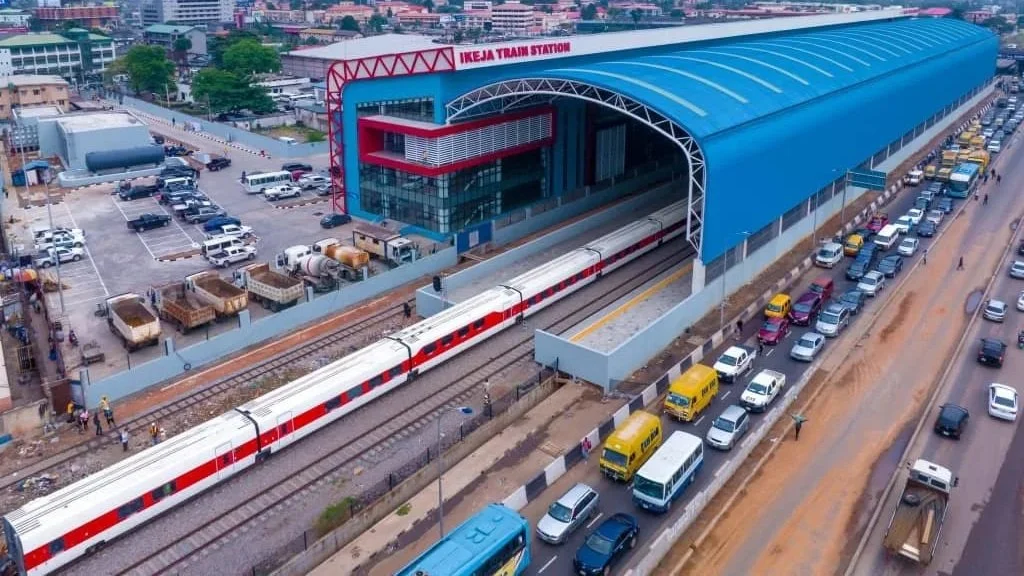
Lagos State has taken delivery of three additional train sets, comprising 24 coaches
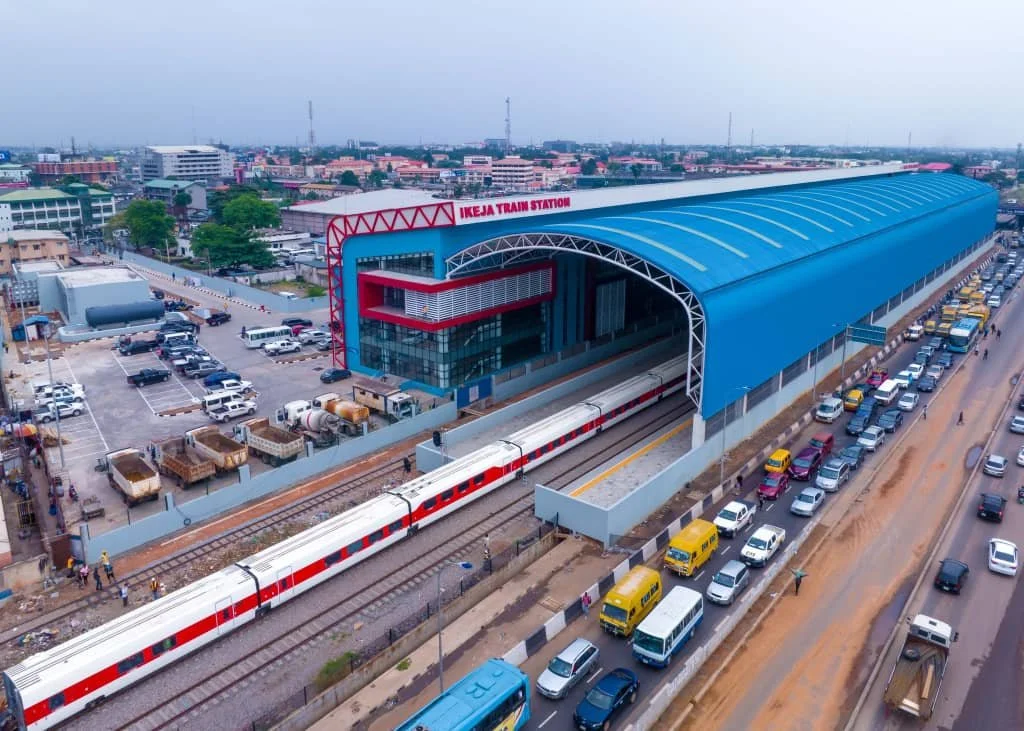
The Lagos State Government has received three additional train sets comprising 24 coaches for the Lagos Rail Mass Transit (LRMT) Red Line, in a move expected to increase passenger capacity and improve service frequency along the Oyingbo–Agbado corridor.
The development was disclosed on Tuesday, 10 November 2026, by Jubril Gawat, Senior Special Assistant on New Media to Governor Babajide Sanwo-Olu, who announced that the state had commenced offloading the new trains.
/ You Might Also Like /




The acquisition, supported by the Federal Government under President Bola Tinubu, adds to Lagos State's efforts to expand its urban rail network and strengthen public transportation infrastructure.
Each train set consists of eight coaches. The additional rolling stock is expected to accommodate more passengers and create room for more frequent services. However, the trains have not yet been officially unveiled or deployed for passenger operations.
New Trains Arrive After Delayed Delivery Target
The arrival follows an announcement by the Lagos Metropolitan Area Transport Authority (LAMATA) in February 2026 that it planned to add three eight-coach train sets to the Red Line fleet by the third quarter of the year.
The additional trains were expected to improve capacity, passenger comfort and service reliability. Their arrival in November means the original third-quarter delivery target was not met.
The Red Line began commercial passenger operations in October 2024, serving the 27-kilometre first-phase corridor between Agbado in Ogun State and Oyingbo in Lagos. Its eight stations include Agbado, Iju, Agege, Ikeja, Oshodi, Mushin, Yaba and Oyingbo.
Rail Capacity Remains a Challenge for Lagos Commuters
The new trains arrive amid questions about the Red Line's ability to attract significantly more commuters and reduce pressure on Lagos roads.
Transport researcher Tonami Playman previously identified limited service frequency as a major constraint on the rail line's potential impact on urban mobility. He argued that the existing level of service was insufficient for a metropolitan railway expected to carry large passenger volumes.
Passenger figures cited in the same report indicated that regulated buses recorded more than five million monthly passenger trips, compared with approximately 500,000 on the Blue Line and 100,000 on the Red Line.
The additional coaches could help address some of these capacity constraints, but their impact will depend on how quickly they enter service, the number of daily trips operated and the reliability of the trains.
Improved Rail Connectivity Could Support Property Development
The expansion of the Red Line has implications for housing and real estate development along its route. The corridor connects residential and commercial centres across Lagos and Ogun, including Agbado, Agege, Ikeja, Oshodi, Mushin and Yaba.
More reliable and frequent rail services could improve access to employment centres, reduce commuting constraints and make locations along the corridor more attractive to residents and businesses.
For property developers and investors, dependable mass transit can influence residential demand, development decisions and the relative attractiveness of locations. Improved rail access may also support higher-density development around stations, provided land-use planning and supporting infrastructure keep pace.
However, the arrival of additional trains does not automatically translate into shorter journey times or reduced road congestion. Those benefits will depend on actual deployment, service frequency, integration with other transport options and the railway's ability to attract a larger share of daily commuters.
READ MORE