TCN Declares Force Majeure After Three Towers Collapse on Birnin Kebbi-Niamey Line
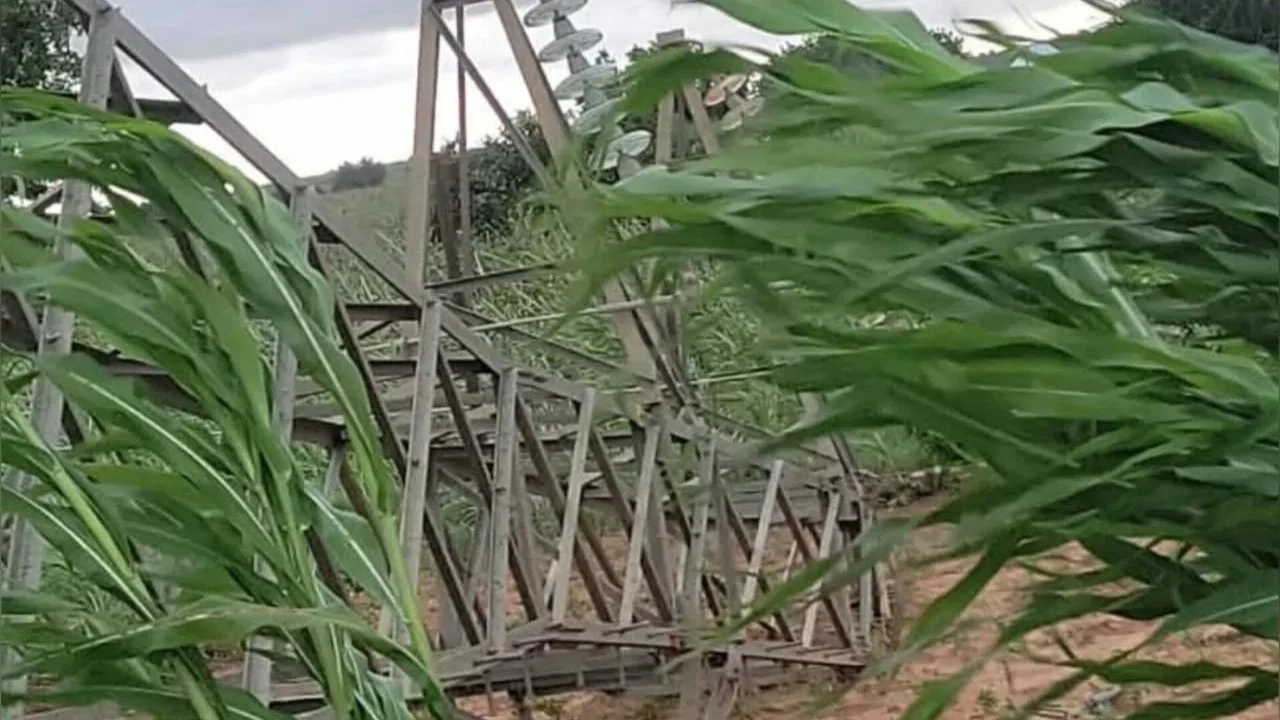
Three collapsed transmission towers disrupt power transmission on the Birnin Kebbi-Niamey line
The Transmission Company of Nigeria (TCN) has declared force majeure on the 132kV Birnin Kebbi–Niamey transmission line after three transmission towers collapsed at Chibike Village in Kebbi State following heavy rainfall and a windstorm.
/ You Might Also Like /




The incident disrupted bulk electricity transmission from Nigeria to Niamey, Niger Republic, after towers T109, T110 and T111 collapsed along the transmission route. TCN said the line initially tripped at 5:38pm on August 26, 2026, while an attempt to restore it at 6:03pm failed when the line tripped again immediately. A subsequent fault-finding patrol identified the three collapsed towers.
Three Towers Collapse After Severe Weather
TCN attributed the collapse of the three towers to heavy rain and strong winds experienced in the area.
The company said its linesmen began a fault-finding patrol after the failed restoration attempt and traced the problem to the damaged infrastructure at Chibike Village.
The collapse of towers T109, T110 and T111 has interrupted the transmission of bulk electricity to Niamey through the 132kV cross-border line. TCN subsequently declared force majeure, reflecting the disruption caused by circumstances it attributed to severe weather.
Bulk Power Transmission to Niamey Affected
The damaged line serves as part of the electricity infrastructure linking Nigeria and Niger Republic.
TCN confirmed that the incident had affected bulk power transmission to Niamey and said it had mobilised personnel and resources to the affected location to begin rehabilitation work.
The company said it would work to reconstruct the damaged towers and return the line to service as quickly as possible. It also expressed regret over the disruption to electricity customers in Niamey.
TCN Begins Emergency Rehabilitation
The immediate priority is the rehabilitation of the three collapsed towers and the restoration of the transmission line.
Rebuilding high-voltage transmission infrastructure involves more than replacing damaged structures. Engineers must assess the affected route, erect replacement towers, restore associated conductors and equipment, and complete the technical checks required before the line can safely return to service.
TCN has not announced a specific restoration date in the reports available as of August 28. The company said its personnel and resources had been deployed to facilitate the speedy rehabilitation of the affected infrastructure.
Severe Weather Highlights Infrastructure Resilience Risks
The incident highlights the growing importance of infrastructure resilience as severe weather places greater pressure on Nigeria's electricity network.
Transmission towers are exposed to rainfall, high winds, flooding and other environmental conditions throughout their operational lives. Extreme weather can damage critical infrastructure and create disruptions that extend beyond the immediate location of an incident.
The latest collapse also follows other weather-related disruptions to TCN infrastructure. In July 2026, TCN declared force majeure on transmission substations at Oworonshoki and Lekki after continuous rainfall caused flooding, affecting equipment and electricity supply infrastructure.
The incidents underline the need for infrastructure planning, maintenance and rehabilitation programmes that take weather and climate risks into account.
Reliable Electricity Remains Important for Housing and Development
For Nigeria's housing sector, the reliability of electricity infrastructure remains closely connected to property development and urban growth.
Residential estates, commercial properties and industrial developments depend on stable electricity networks. Where public power infrastructure remains unreliable, households and businesses often face additional costs from generators, fuel and alternative energy systems.
Infrastructure failures can therefore increase the overall cost of occupying and operating property.
For developers, reliable transmission and distribution infrastructure can also influence decisions about where to invest. The availability of electricity, alongside roads, water, drainage and other services, remains a major consideration in the development of new housing and commercial projects.
Climate-Resilient Infrastructure Requires Greater Investment
The tower collapse raises broader questions about the resilience of Nigeria's infrastructure as extreme weather events continue to affect different parts of the country.
Transmission infrastructure requires regular inspection, preventive maintenance and, where necessary, upgrades to ensure it can withstand changing environmental conditions.
Investment in stronger and more resilient infrastructure could help reduce the frequency and impact of weather-related disruptions. This may include improved engineering standards, better drainage around critical facilities, routine structural assessments and faster emergency-response capacity.
For the housing and construction industries, the same principle applies. Developers increasingly need to consider flood risks, drainage, wind exposure and other environmental factors during project design and site planning.
Cross-Border Infrastructure Requires Reliable Networks
The Birnin Kebbi–Niamey line also demonstrates the importance of maintaining infrastructure that supports economic and energy links between neighbouring countries.
Cross-border electricity networks depend on the reliability of transmission infrastructure across long distances. A failure at one point along the route can interrupt supply to another country and affect the wider regional energy system.
The restoration of the damaged towers will therefore have implications beyond Kebbi State, particularly for electricity consumers and businesses served through the connection in Niamey.
Outlook
TCN has begun efforts to restore the 132kV Birnin Kebbi–Niamey transmission line after the collapse of three towers disrupted bulk electricity transmission to Niger Republic.
The immediate focus will remain on rehabilitating towers T109, T110 and T111 and completing the technical work needed to return the line to service. TCN has said it has mobilised personnel and resources to accelerate the restoration process.
Beyond the immediate repairs, the incident reinforces the need for greater resilience across Nigeria's power infrastructure. As severe weather continues to pose risks to critical assets, investment in maintenance, stronger infrastructure and climate-conscious planning will remain important to protecting electricity supply and supporting the housing, property and wider economy.
READ MORE