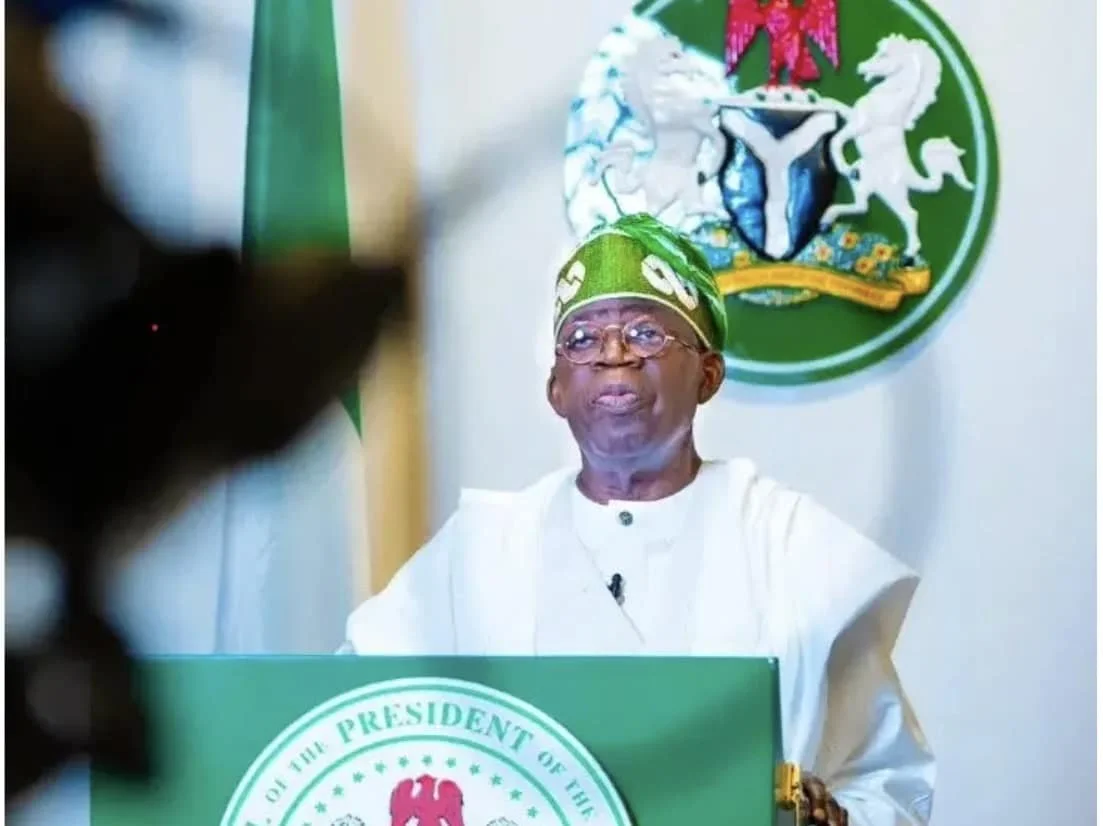
Nigeria’s Economic Recovery Faces a Household Test as Living Costs Remain High
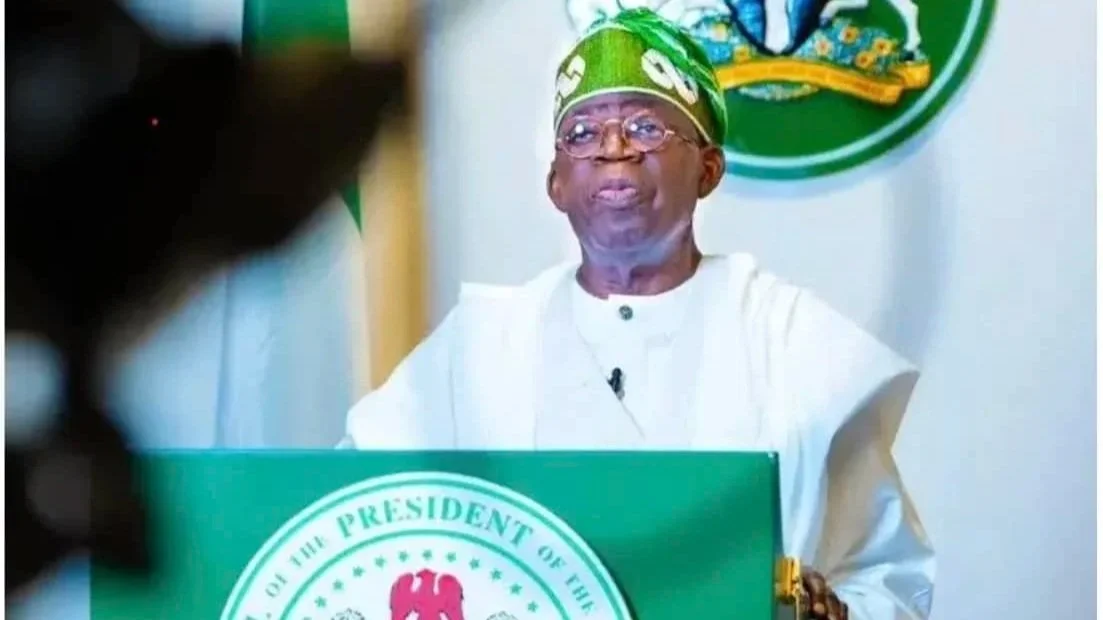
Economic recovery faces pressure to deliver tangible gains for Nigerian households
Nigeria’s improving economic indicators have yet to translate into meaningful financial relief for millions of households, raising questions about how effectively the country’s recovery is improving living standards and strengthening consumers’ ability to meet essential expenses, including housing.
/ You Might Also Like /




President Bola Tinubu acknowledged the gap while responding to the World Bank’s October 2026 Nigeria Development Update, which reported stronger economic growth, government revenues, external reserves and capital spending. The report also highlighted persistent pressures from food prices and other living costs, which continue to affect household welfare.
The World Bank reported that Nigeria’s economy grew by 4.2 per cent in the first half of 2026, compared with 3.9 per cent in the corresponding period of 2025. It also projected average annual growth of at least 4.4 per cent between 2026 and 2028.
However, stronger economic output does not automatically translate into higher disposable incomes or greater purchasing power for individual households. The challenge is whether economic gains can improve employment, stabilise essential expenses and enable more Nigerians to meet their basic needs without sacrificing longer-term financial priorities.
Economic Growth Has Yet to Resolve Household Pressures
The World Bank’s report identified improvements in several key indicators following economic reforms introduced since 2023, including petrol subsidy removal, foreign exchange market reforms and efforts to strengthen fiscal discipline.
Inflation also declined substantially, falling from 27.6 per cent in January 2025 to 15.2 per cent in December 2025. Nevertheless, higher global fuel prices linked to conflict in the Middle East have slowed the pace of further disinflation, while the World Bank expects inflation to ease to about 12 per cent by 2028.
A declining inflation rate means prices are rising more slowly; it does not necessarily mean that goods and services have become cheaper. Households may therefore continue to face substantial expenses even as headline inflation moderates, particularly where incomes have not kept pace with previous price increases.
Tinubu said the government would sustain its reform programme while placing greater emphasis on lower food prices, job creation and improved living standards. He also urged state governments to manage increased revenues prudently and direct spending towards projects that improve public welfare.
The effectiveness of the recovery will depend partly on whether these improvements translate into tangible benefits for households and businesses.
Higher State Revenues Create Opportunities for Housing Investment
The World Bank report identified state governments as major beneficiaries of increased public revenue. Federation revenues rose by 69 per cent in real terms between 2023 and 2025, while state capital expenditure increased by 151 per cent over the same period.
According to the report, states directed much of their additional capital spending towards economic infrastructure, including roads, transport, agriculture, energy and housing. Twenty-nine of 33 states shifted expenditure towards economic infrastructure, while real social spending per person increased in all but one state.
These spending trends have implications for housing supply and urban development. Investments in roads, electricity and transport can improve access to residential locations, reduce some development constraints and make new housing projects more viable.
Increased state revenues could also support affordable housing programmes, serviced land provision, infrastructure for residential estates and partnerships with private developers. However, the benefits will depend on project selection, implementation, transparency and the extent to which spending addresses housing shortages and affordability.
Higher public revenue alone does not guarantee more homes or lower housing costs. Governments must convert fiscal capacity into completed projects, reliable infrastructure and housing options that match the needs and incomes of residents.
Household Financial Pressure Remains a Housing Market Concern
The disconnect between macroeconomic improvements and household finances is particularly important for Nigeria’s housing market, where households must balance accommodation costs against food, transport, energy, healthcare and other essential expenses.
When these expenses consume a larger share of household income, renters may find it harder to meet rent obligations or save towards advance payments. Prospective homebuyers may also struggle to accumulate deposits, meet mortgage eligibility requirements or sustain monthly repayments.
For developers and property investors, constrained purchasing power can narrow the pool of households able to afford completed homes. This may increase the importance of matching property prices, unit sizes and payment structures to effective demand rather than relying solely on broad population growth or headline economic indicators.
The effects are not uniform across the market. Higher-income households and buyers with access to substantial savings may be better positioned to absorb rising costs, while low- and middle-income earners face tighter financial constraints. Location, employment stability, household size and access to credit also influence housing choices.
For NHM’s audience of developers, investors and policymakers, the key consideration is whether economic growth is broadening the market for affordable housing or leaving a significant share of potential buyers and tenants unable to participate.
Mortgage Access Depends on More Than Economic Stability
Improvements in economic stability can create better conditions for housing finance by supporting investor confidence, government revenue and financial-sector planning. However, access to mortgages also depends on household incomes, lending rates, loan terms, employment security, property documentation and the availability of suitable housing.
Where household budgets remain under pressure, even a more stable economy may not produce a substantial increase in effective mortgage demand. Lenders must assess borrowers’ ability to make repayments after meeting essential expenses, while prospective borrowers need financing terms that reflect their actual earning capacity.
This creates a policy challenge: economic reforms may improve the broader financial environment, but housing affordability requires measures that address the cost of homes, access to long-term finance and the incomes of prospective buyers.
Expanding affordable mortgage products, improving land administration, reducing avoidable development costs and supporting the delivery of appropriately priced homes could help connect wider economic gains to housing access. These measures would need to work alongside efforts to create jobs and strengthen household purchasing power.
Translating Fiscal Gains into Tangible Improvements
Tinubu said his administration would expand targeted cash transfers, accelerate compressed natural gas deployment, improve agricultural productivity and strengthen access to healthcare and education. He stated that the cash transfer programme had reached more than 10 million households.
These interventions could help reduce some financial pressures, but their broader impact will depend on implementation, coverage and the extent to which assistance reaches households most exposed to rising living costs.
For the housing sector, the next stage of the recovery requires a stronger link between economic performance and the practical conditions that determine whether people can obtain and retain decent accommodation. That includes infrastructure spending that supports housing development, effective social protection, access to sustainable housing finance and a greater supply of homes at attainable prices.
State governments have an important role because they control many of the planning, land administration and infrastructure decisions that shape housing delivery. Their increased fiscal capacity provides an opportunity to strengthen these functions, provided spending translates into completed projects and measurable improvements in access.
Outlook: Housing Affordability Will Test the Recovery
Nigeria’s latest economic indicators suggest improving momentum, but growth figures alone cannot establish whether households are experiencing a corresponding improvement in living standards. The persistence of high essential expenses means that the quality and distribution of economic gains remain central to the recovery.
For the housing market, the test will be whether households gain enough financial stability to pay rent, save towards homeownership and qualify for suitable mortgage products. It will also be whether governments and developers can use improved economic conditions to expand the supply of housing that ordinary earners can afford.
A durable recovery will require more than stronger fiscal and macroeconomic indicators. It must translate into better household purchasing power, productive investment and housing options that reflect the financial realities of Nigeria’s population.
READ MORE