Lagos Records 1,409 Road Crashes in Nine Months as LASTMA Rescues 670 Victims
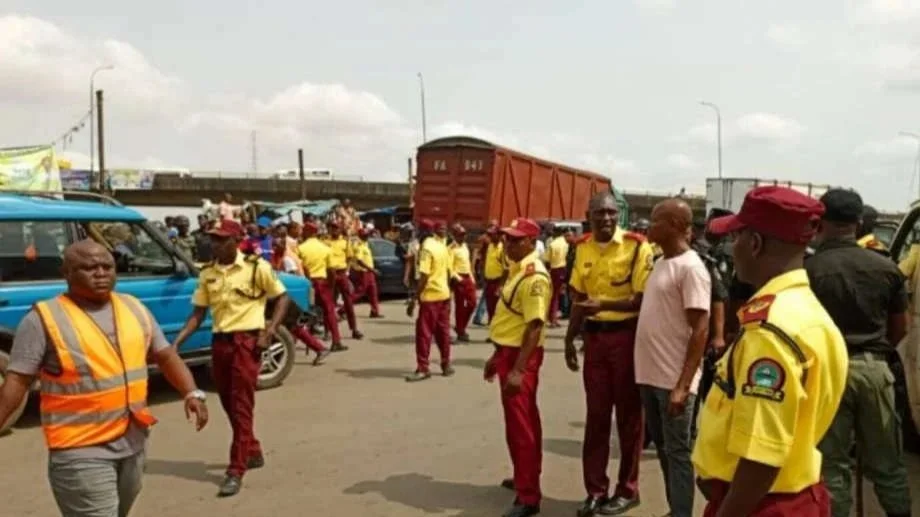
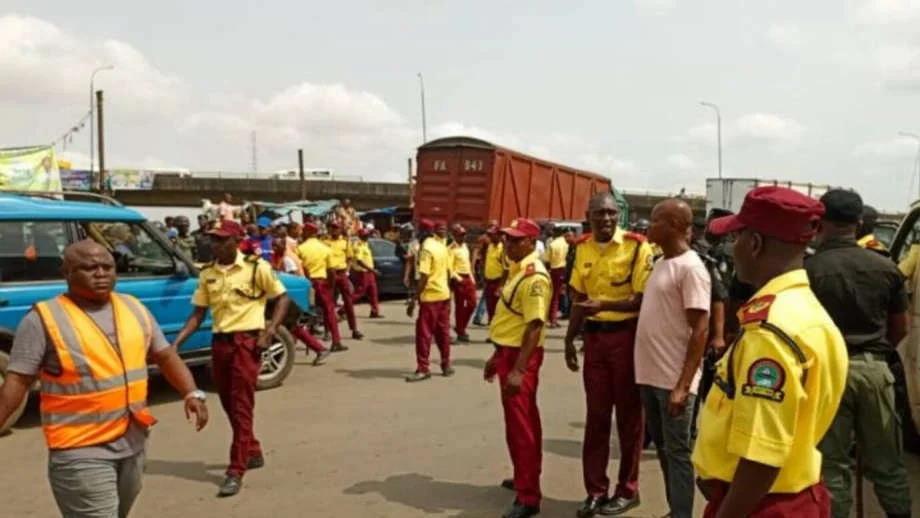
LASTMA officers respond to road crashes across Lagos
The Lagos State Traffic Management Authority (LASTMA) responded to 1,409 road traffic crashes and rescued 670 victims between January and September 2026, highlighting the continuing road-safety challenges facing Nigeria’s commercial capital.
/ You Might Also Like /




The figures, disclosed by the authority in October, reflect LASTMA’s role in coordinating emergency interventions, managing traffic around crash scenes and helping other emergency services reach victims. The agency said its operatives also implement traffic diversions and take measures to prevent secondary collisions following accidents.
The figures underline the importance of effective emergency response in a city where road transport supports daily commuting, commercial activity and access to essential services. They also raise broader questions about how Lagos can improve road safety while managing the demands of a growing urban population.
LASTMA Strengthens Emergency Response Operations
LASTMA General Manager Olalekan Bakare-Oki reaffirmed the authority’s commitment to improving incident-response capacity, expanding public awareness and encouraging compliance with traffic regulations.
The agency said its personnel routinely assess crash scenes, assist with victim rescue, redirect traffic and create access for emergency responders. These interventions help restore traffic flow while reducing the risk of additional collisions around accident sites.
LASTMA works with the Lagos State Emergency Management Agency (LASEMA), Lagos State Ambulance Service (LASAMBUS), the State Environmental Health Monitoring Unit and the Lagos State Fire and Rescue Service to coordinate assistance at crash scenes.
Bakare-Oki stressed that prompt reporting and effective collaboration among emergency agencies remain important to reducing casualties and improving road-safety outcomes.
The authority also urged motorists to observe speed limits, obey traffic signals, wear seat belts and ensure their vehicles remain roadworthy. It warned against distracted driving and reckless manoeuvres that can endanger other road users.
Residents can report road crashes, obstructions and other traffic emergencies through LASTMA’s toll-free short code, 3367.
Road Safety Remains an Urban Infrastructure Challenge
The volume of crashes handled by LASTMA highlights the importance of road safety as part of Lagos’s wider urban development agenda.
Road networks do more than connect neighbourhoods and commercial centres. They determine how easily residents reach workplaces, schools, hospitals and residential areas. When roads become unsafe or crashes repeatedly disrupt movement, the consequences extend beyond traffic congestion to affect productivity, household welfare and access to essential services.
For a densely populated city such as Lagos, safer urban mobility requires coordinated attention to road design, traffic management, vehicle conditions, enforcement and driver behaviour.
Emergency response remains essential, but preventing crashes is equally important. Better road markings, functional traffic signals, safer pedestrian crossings, effective speed management and regular maintenance can contribute to safer journeys when properly implemented.
The latest LASTMA figures do not establish the causes of the 1,409 crashes or show whether accidents increased or decreased compared with previous periods. A fuller assessment would require comparable historical data, information on crash locations and severity, and evidence about the factors contributing to individual incidents.
Implications for Housing and Real Estate Development
Although the figures do not directly measure housing-market performance, road safety and transport infrastructure influence the attractiveness and functionality of residential locations across Lagos.
Reliable connections between residential neighbourhoods and employment centres can improve access to jobs and services. Conversely, unsafe roads, poorly managed junctions and recurring traffic disruptions can make daily commutes more difficult and reduce the practical accessibility of some neighbourhoods.
For property developers and investors, transport connectivity should therefore extend beyond travel time to include the safety of routes used by residents, pedestrians and commercial transport operators.
Housing developments also depend on adequate surrounding infrastructure. Estate access roads, pedestrian facilities, street lighting, drainage and safe connections to public transport contribute to the usability of residential areas. These considerations are particularly important in expanding urban districts where population growth places additional demands on existing infrastructure.
For policymakers, integrating road safety into urban planning can help ensure that housing expansion does not outpace the infrastructure needed to support safe movement between homes, workplaces and public services.
Preventing Crashes Requires Shared Responsibility
LASTMA called on private motorists, commercial transport operators, dispatch riders and pedestrians to exercise caution and comply with traffic directives.
The authority emphasised the importance of defensive driving, regular vehicle inspections, seat-belt use and prompt reporting of accidents and road obstructions. These measures can support safer road use, although their impact also depends on consistent enforcement and adequate infrastructure.
Commercial transport operators have an additional responsibility to maintain vehicles and ensure drivers observe traffic regulations. Pedestrians and other vulnerable road users also need safer crossing facilities and road environments that reduce their exposure to moving traffic.
Meanwhile, coordinated action among traffic officials, emergency services and other relevant agencies can improve the response to crashes and help limit further harm.
Outlook: Lagos Needs Prevention Alongside Emergency Response
LASTMA’s response to 1,409 road crashes and rescue of 670 victims in nine months demonstrates the scale of emergency activity across Lagos’s road network. However, the figures alone do not establish the overall trend in road safety or the effectiveness of individual prevention measures.
The next step is to combine emergency-response capacity with stronger crash prevention, better road infrastructure, consistent enforcement and public education. Publishing regular data on crash locations, causes, fatalities and injuries would also help authorities and residents identify recurring risks and assess progress.
For Lagos’s housing and real estate sector, safer roads are part of the wider infrastructure required to build accessible, functional and liveable neighbourhoods. Reducing road crashes is therefore not only a transport priority but also an important component of sustainable urban development.
READ MORE