Subnational Governments Boost Infrastructure Delivery with Larger Budgets
State governments across Nigeria are embarking on more infrastructure projects, driven by increased revenue allocations and improved fiscal capacity, according to the Revenue and Fiscal Allocation Commission (RHA). The development signals a renewed push at the subnational level to address infrastructure deficits and stimulate economic growth.
/ You Might Also Like /




Increased Allocations Strengthen State Spending Capacity
The surge in infrastructure activity follows a significant rise in allocations from the Federation Account Allocation Committee (FAAC), which has boosted state revenues in recent years. Analysts note that higher inflows have expanded the fiscal space available for capital expenditure, enabling states to prioritise infrastructure development.
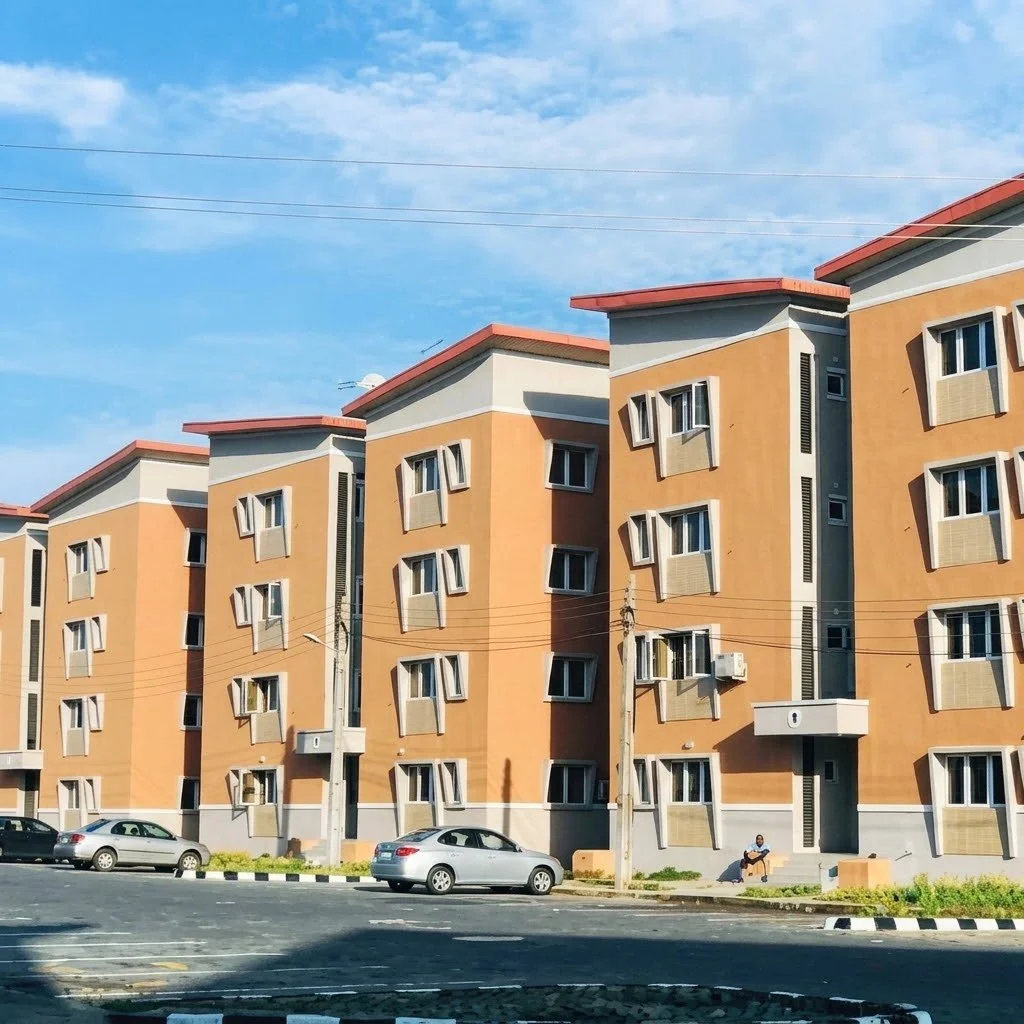
Data shows that Nigerian states have collectively earmarked substantial resources for capital projects, reflecting a shift toward long-term investment in roads, healthcare, education, and other public assets.
Shift Toward Capital Projects
The Revenue and Fiscal Allocation Commission highlighted that many states are now redirecting funds toward infrastructure, marking a departure from historically low capital spending levels. This shift is critical, as infrastructure investment plays a central role in economic productivity and service delivery.
Recent trends indicate that subnational governments are increasingly focusing on projects that directly impact economic activity, including road construction, urban development, and public utilities.
Emerging Role of Subnational Governments
The growing infrastructure push underscores the evolving role of state governments in Nigeria’s development framework. Traditionally dependent on federal initiatives, states are now taking a more proactive role in financing and executing projects.
In 2026, at least 15 states collectively budgeted over ₦10.7 trillion for capital expenditure, reflecting a structural shift toward subnational-led development.
This trend signals a move toward decentralised infrastructure delivery, where states act as key drivers of economic transformation.
Persistent Challenges in Project Execution
Despite increased funding, challenges remain in translating allocations into completed projects. Historical data shows that many states struggle with budget implementation, often delivering only a fraction of planned capital expenditure.
In 2025, for example, states spent just 15.7 percent of their capital budgets in the first half of the year, highlighting persistent bottlenecks such as procurement delays, inflation, and governance inefficiencies.
These constraints continue to limit the full impact of increased allocations on infrastructure delivery.
Economic Implications
The expansion of infrastructure projects at the state level is expected to have positive economic effects, including job creation, improved connectivity, and enhanced productivity. Infrastructure investment also plays a critical role in attracting private sector participation and supporting regional development.
However, experts emphasise that the effectiveness of these investments will depend on execution quality, transparency, and alignment with broader development plans.
The increase in infrastructure projects by Nigerian states reflects improved fiscal capacity and a growing recognition of the importance of capital investment. While higher allocations have created new opportunities for development, the long-term impact will depend on efficient project execution and sustained policy discipline.
For policymakers and investors, the trend highlights the rising importance of subnational governments in shaping Nigeria’s infrastructure landscape and driving inclusive economic growth.
READ MORE