Police Recover ₦400m Railway Materials, Foil Vandalism Syndicate
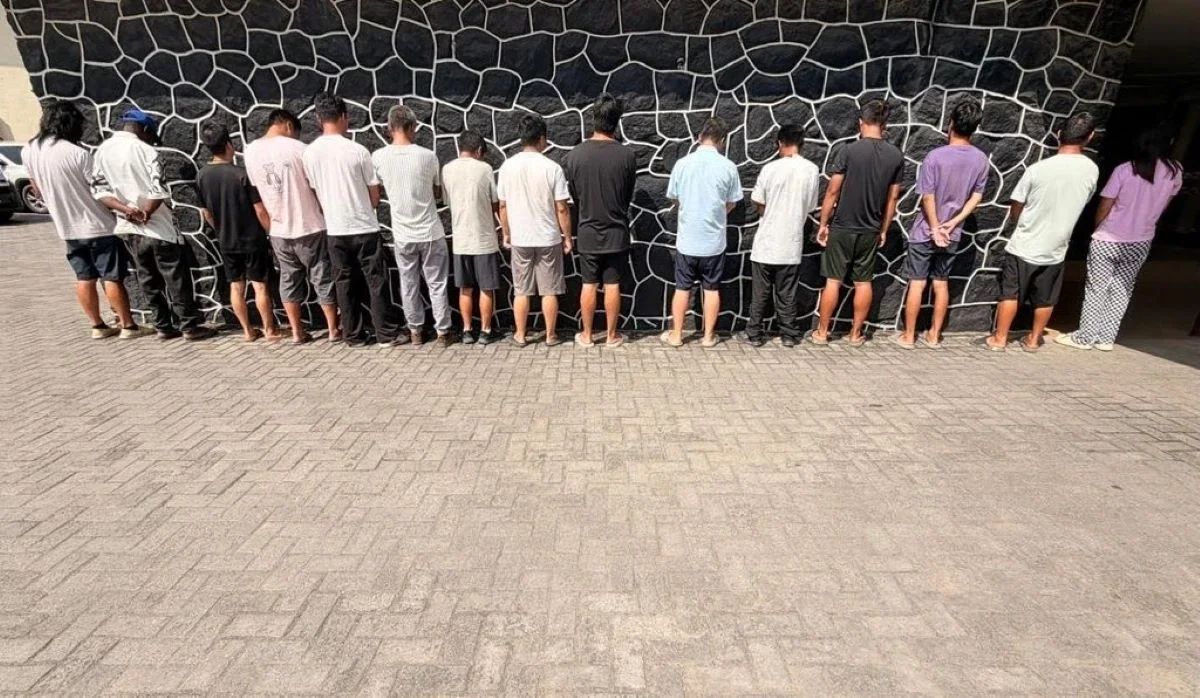
The Nigeria Police Force has recovered railway materials valued at over ₦400 million and arrested two suspects linked to a vandalism syndicate, in a major operation targeting the theft of critical national infrastructure. The arrest and recovery underscore growing concerns over infrastructure sabotage and its economic implications.
/ You Might Also Like /




Major Interception of Stolen Infrastructure
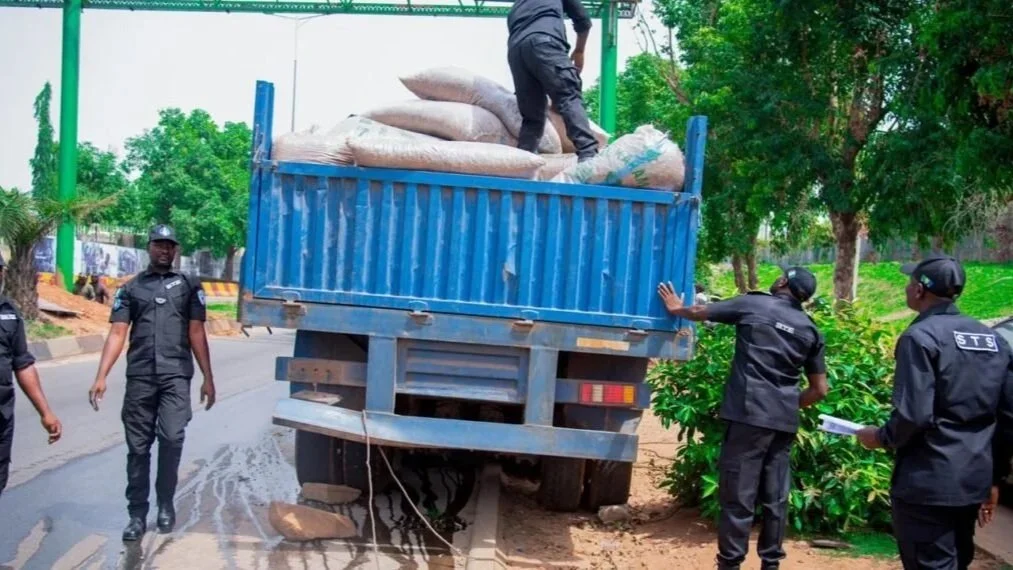
Police operatives from the Force Intelligence Department Special Tactical Squad carried out the operation, leading to the arrest of two suspects in Akwanga, Nasarawa State. Authorities intercepted a trailer transporting approximately 60 tonnes of vandalised railway tracks and sleepers.
The materials were reportedly concealed under sacks of groundnut shells in an attempt to evade detection while being moved from Bauchi State to Ilorin, Kwara State.
Evidence of Organised Criminal Network
Preliminary investigations indicate that the operation forms part of a broader, organised network involved in dismantling and trafficking railway infrastructure. The truck driver was reportedly paid ₦2.5 million to transport the stolen materials, suggesting a structured supply chain involving multiple actors.
Law enforcement authorities have confirmed that efforts are ongoing to identify and apprehend additional members of the syndicate, including intended buyers of the stolen assets.
Police Reject ₦100m Bribe Attempt
In a significant development, police operatives involved in the case reportedly rejected a ₦100 million bribe offered to secure the release of the suspects and recovered materials.
The Inspector-General of Police, Olatunji Rilwan Disu, commended the officers for their professionalism and integrity, highlighting the force’s commitment to enforcing the law without compromise.
Implications for Infrastructure Security
The incident highlights the persistent challenge of infrastructure vandalism in Nigeria, particularly within the transport sector. Railway systems are critical to economic activity, supporting the movement of goods and passengers across regions.
The theft and destruction of such assets not only disrupt operations but also impose significant financial costs on government and taxpayers. Analysts note that vandalism contributes to delays in infrastructure development and increases maintenance expenditure.
Broader Economic and Policy Context
Railway vandalism is part of a wider pattern of economic sabotage affecting public infrastructure, including pipelines, power installations, and transportation networks. These activities undermine national development efforts and deter investment.
Authorities have reiterated the need for stronger surveillance systems, stricter enforcement of existing laws, and enhanced collaboration between security agencies and local communities to protect critical assets.
The recovery of ₦400 million worth of railway materials marks a significant step in combating infrastructure vandalism in Nigeria. However, the scale of the operation points to deeply rooted criminal networks that require sustained enforcement and policy intervention.
For policymakers and investors, the incident reinforces the importance of securing critical infrastructure as a foundation for economic stability and long-term growth.
READ MORE