Insurance Reform Bill Signals Stronger Risk Protection for Nigeria's Property Sector
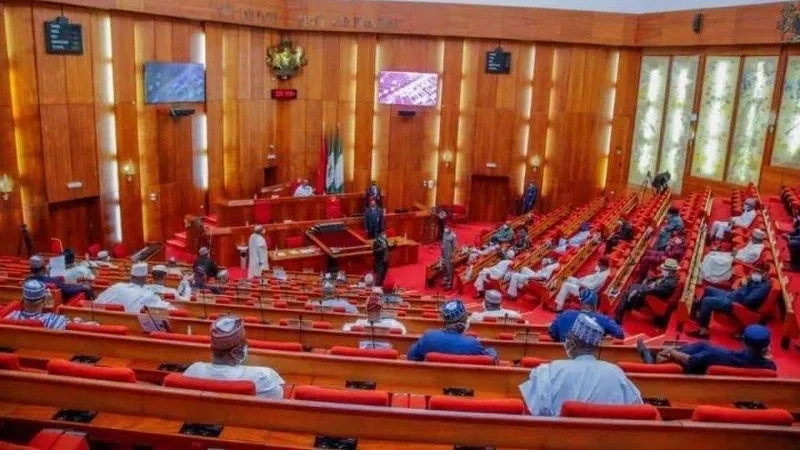
The Senate has passed the Insurance Regulatory Commission Bill, 2025, marking a significant step towards modernising Nigeria's insurance regulatory framework. The legislation seeks to repeal the National Insurance Commission (NAICOM) Act of 1997, establish the Insurance Regulatory Commission (IRC) and strengthen oversight of the insurance industry through expanded regulatory powers and updated governance provisions.
/ You Might Also Like /




The proposed legislation, which still requires concurrence by the House of Representatives and presidential assent before becoming law, is designed to align Nigeria's insurance sector with international regulatory standards while enhancing consumer protection and financial stability.
Stronger Oversight for the Insurance Industry
According to the Senate Committee on Banking, Insurance and Other Financial Institutions, the existing NAICOM Act no longer reflects the realities of Nigeria's evolving insurance market.
The new bill expands the powers of the regulator, enabling it to issue regulations and directives, collaborate with domestic and international supervisory authorities, and intervene more effectively in distressed insurance institutions. It also introduces stronger corporate governance standards, clearer qualification requirements for board members and tougher sanctions for regulatory breaches.
Lawmakers said the proposed name change from the National Insurance Commission to the Insurance Regulatory Commission is intended to better reflect the agency's regulatory responsibilities and eliminate ambiguity within the sector.
Implications for Housing and Property Investment
Although the legislation focuses on insurance regulation, its impact could extend to Nigeria's housing and real estate sectors.
Insurance plays an important role in protecting residential and commercial property developments against risks such as fire, flooding, structural damage and other unforeseen events. A stronger regulatory framework could improve confidence in insurance products linked to housing, encourage better risk management practices and strengthen protection for homeowners, developers and mortgage lenders.
Improved regulatory oversight may also enhance the credibility of insurance-backed financial products, supporting long-term investment in housing and infrastructure projects.
Supporting Housing Finance
Mortgage providers and institutional investors often rely on insurance to reduce financial risks associated with property lending and large-scale developments.
A more robust insurance regulatory system could strengthen confidence in mortgage markets by improving claims management, regulatory supervision and the financial resilience of insurance companies. This may encourage greater participation by lenders and institutional investors seeking stable, well-regulated markets for long-term investment.
Broader Economic Significance
The insurance reform bill forms part of wider efforts to modernise Nigeria's financial regulatory architecture and improve the resilience of key financial institutions.
Industry observers note that stronger insurance regulation can contribute to broader economic development by protecting assets, reducing investment risk and improving confidence across sectors that depend on long-term capital, including housing, infrastructure and construction.
For Nigeria's real estate market, improved insurance regulation could complement ongoing reforms aimed at expanding affordable housing, strengthening consumer protection and attracting greater private investment.
Outlook
The Senate's passage of the Insurance Regulatory Commission Bill represents a significant milestone in the reform of Nigeria's insurance industry. If enacted, the legislation could strengthen regulatory oversight, improve consumer protection and reinforce confidence in insurance-backed investments. For the housing sector, stronger insurance regulation has the potential to support more resilient property markets, enhance mortgage finance and encourage sustainable long-term investment in residential and infrastructure development.
READ MORE