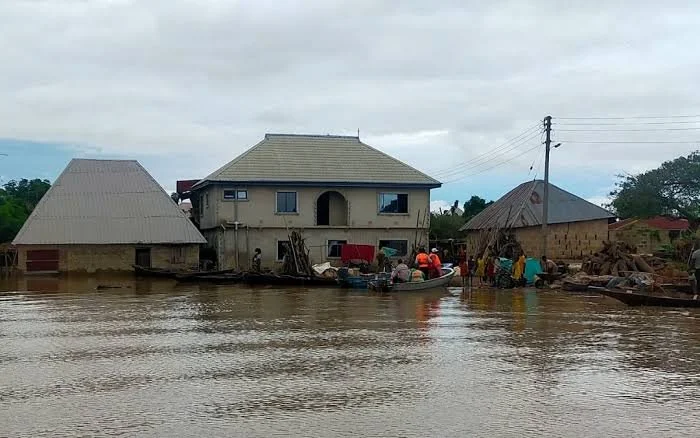
Residents Decry 15 Years of Neglect as Agbado-Ijoko Road Deteriorates
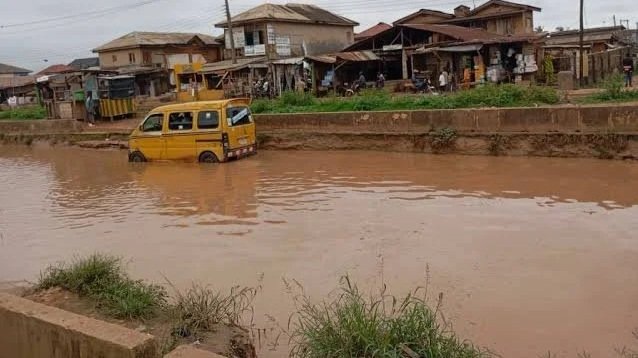
Poor Road Network Continues to Impact Communities Along Agbado-Ijoko Corridor
Residents, commuters and business owners along the Agbado-Ijoko corridor have expressed frustration over the worsening condition of the Agbado-Ijoko Road, citing more than 15 years of neglect and inadequate infrastructure intervention. The road, which serves as a critical link between communities in Ogun State and Lagos, has become increasingly difficult to navigate, affecting daily movement, economic activity and property development in the area.
/ You Might Also Like /


Community members say the deteriorating state of the road has led to increased transportation costs, longer travel times and reduced business productivity. They are calling on relevant authorities to prioritise rehabilitation and reconstruction efforts to restore connectivity and improve living conditions for residents.
Residents Raise Concerns Over Road Conditions
According to residents, large potholes, failed sections and poor drainage have significantly reduced the usability of the road, especially during the rainy season.
Many commuters report spending hours navigating sections of the corridor that have become severely damaged over time. Commercial transport operators have also highlighted rising vehicle maintenance costs resulting from the poor condition of the road.
Residents argue that repeated appeals for intervention have yet to produce the level of infrastructure improvement needed to address the challenges facing the growing communities along the corridor.
Economic Activities Impacted
The deteriorating road network is affecting businesses operating within the area, with traders, transport operators and service providers reporting increased operating costs.
Poor road infrastructure often leads to delays in the movement of goods and services, reducing efficiency and increasing transportation expenses. Businesses located along the corridor say these challenges are affecting productivity and limiting opportunities for expansion.
Economic experts note that transportation infrastructure remains a key driver of local economic development, particularly in rapidly urbanising communities.
Implications for Housing and Property Development
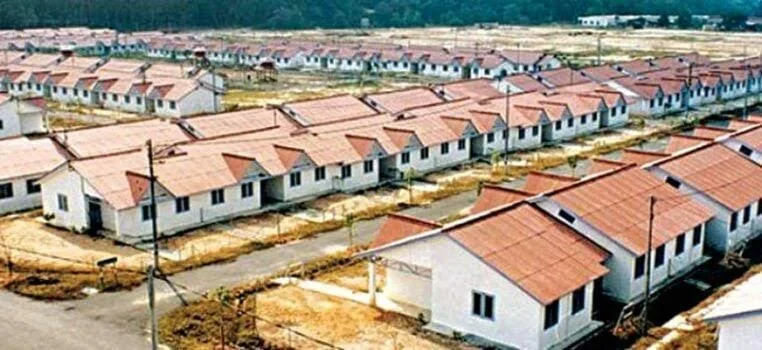
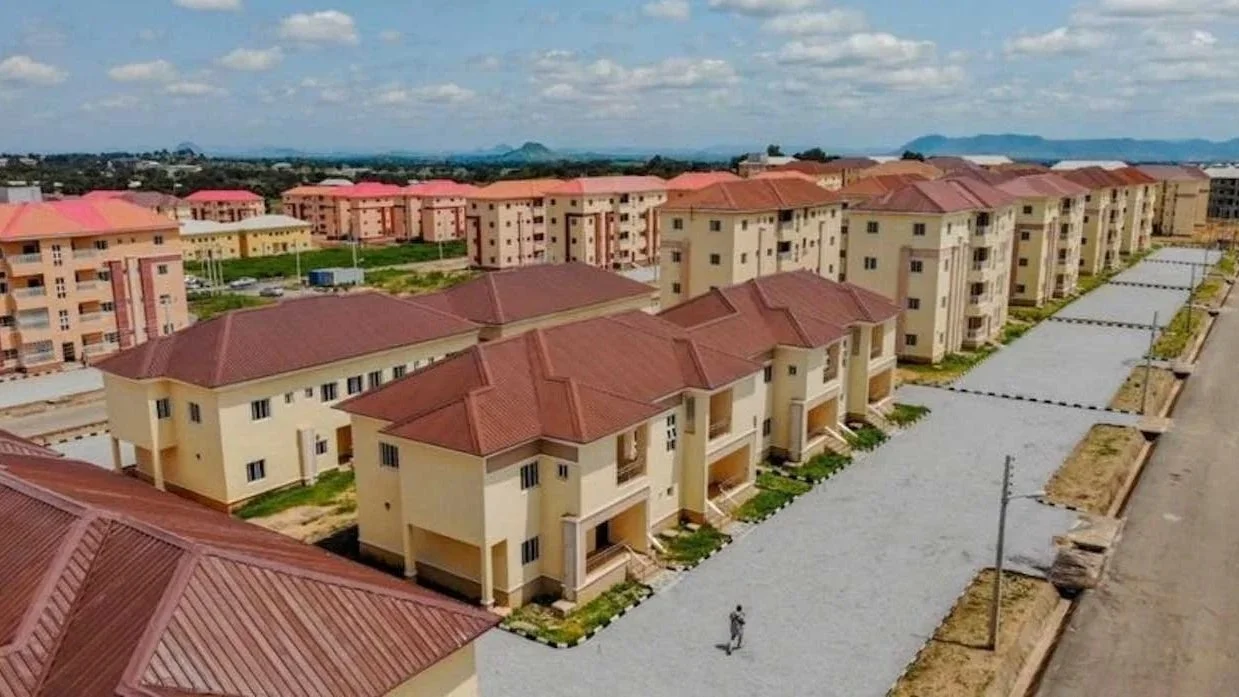
The Agbado-Ijoko corridor has witnessed significant residential growth over the years due to its proximity to Lagos and relatively affordable housing options.
However, stakeholders warn that deteriorating infrastructure could undermine the area's attractiveness to homebuyers, developers and investors. Road networks play a crucial role in determining property values, accessibility and the viability of residential developments.
Real estate professionals argue that sustained investment in transportation infrastructure is essential for supporting housing growth and unlocking the economic potential of emerging suburban communities.
Growing Population Increases Pressure on Infrastructure
Urban expansion along the Lagos-Ogun axis has contributed to increased demand for infrastructure services, including roads, drainage systems and public transportation.
As more residents move into communities along the corridor, the pressure on existing infrastructure continues to rise. Without adequate upgrades, experts warn that transportation challenges could worsen and further constrain economic and residential development.
Stakeholders have called for coordinated infrastructure planning to ensure that population growth is matched by investments in essential public facilities.
Calls for Government Intervention
Community leaders and residents are urging state and federal authorities to prioritise the rehabilitation of the Agbado-Ijoko Road.
They argue that improving the road would enhance mobility, reduce transportation costs, support businesses and stimulate property development. Infrastructure upgrades could also improve access to schools, healthcare facilities and commercial centres serving the area.
Many residents believe that timely intervention would unlock broader economic benefits and improve quality of life across the corridor.
Outlook
The condition of the Agbado-Ijoko Road remains a major concern for residents and investors alike. As urbanisation accelerates along the Lagos-Ogun corridor, infrastructure development is expected to remain a critical issue for policymakers and community stakeholders.
Future government action on the road will likely be closely monitored by residents, businesses and property developers seeking improved connectivity and more sustainable growth conditions.
Conclusion
The growing concerns surrounding the Agbado-Ijoko Road highlight the broader relationship between infrastructure, economic development and housing growth. After more than 15 years of deterioration, residents are seeking urgent intervention to restore a key transportation corridor that supports thousands of commuters, businesses and residential communities. Addressing the road's challenges could improve mobility, stimulate investment and strengthen development prospects along one of the region’s fastest-growing urban corridors.
READ MORE