Federal Government Intervention Stops Planned Doctors’ Strike in Nigeria
The Nigerian Association of Resident Doctors has suspended its planned indefinite nationwide strike following fresh commitments from the Federal Government on key welfare issues. The decision, announced after an emergency National Executive Council (NEC) meeting held virtually, reflects renewed engagement between both parties aimed at preventing disruption to Nigeria’s healthcare system.
The strike had been scheduled in response to unresolved disputes over allowances, salary arrears, and funding for medical training.
/ You Might Also Like /




The decision to suspend the strike followed a series of commitments by the Federal Government to address longstanding concerns raised by resident doctors. These include the payment of outstanding salary and promotion arrears, as well as renewed assurances on welfare improvements.
Authorities also reversed the earlier suspension of the reviewed Professional Allowance Table (PAT), with implementation expected to reflect in subsequent salary payments.
In addition, the government confirmed progress on the 2026 Medical Residency Training Fund, a critical component of professional development for doctors in Nigeria.
Background: Escalating Labour Dispute
The planned strike followed weeks of tension between the association and government authorities over compensation and working conditions. Resident doctors had cited delays in payments, inconsistencies in allowance structures, and broader systemic issues affecting healthcare delivery.
At an earlier stage, the association issued ultimatums and signalled readiness to embark on a total and indefinite strike if demands were not met.
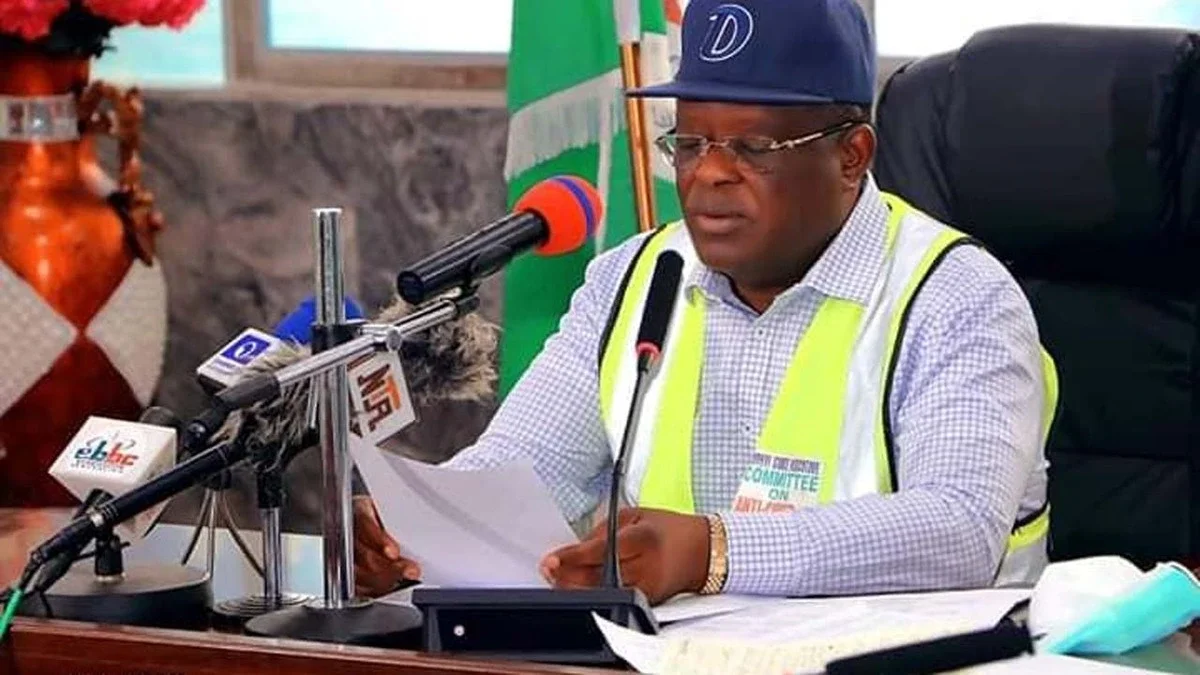
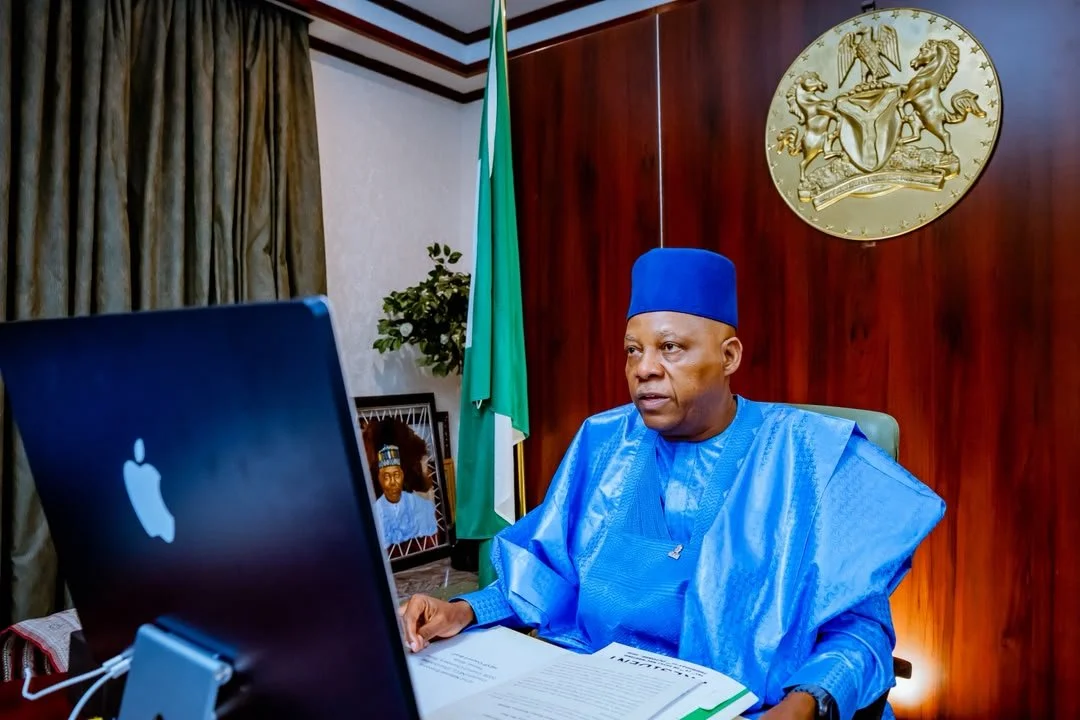
However, high-level interventions involving key government officials and stakeholders in the health sector helped to de-escalate the situation.
Outstanding Issues Remain
Despite the suspension of the strike, several concerns remain unresolved. The association highlighted delays in the payment of house officers’ salaries and called for urgent stakeholder engagement to address the issue.
NARD also emphasised the need for sustained implementation of agreed reforms, including timely disbursement of funds and consistent adherence to revised allowance structures.
The association indicated that it will review the government’s compliance with these commitments at its next ordinary general meeting, signalling that the suspension remains conditional on measurable progress.
Implications for Nigeria’s Health System
The suspension of the strike averts a potential nationwide disruption to healthcare services, particularly in public hospitals where resident doctors play a critical role in service delivery.
Resident doctors represent a significant proportion of Nigeria’s medical workforce, particularly within tertiary health institutions. Any prolonged industrial action would have placed additional strain on an already stretched healthcare system.
For policymakers, the episode underscores the importance of consistent funding, workforce management, and institutional coordination in maintaining healthcare stability.
Outlook
The immediate suspension of the planned strike provides short-term relief for Nigeria’s health sector. However, the durability of this resolution depends on the Federal Government’s ability to deliver on its commitments within agreed timelines.
Sustained reform in healthcare financing, workforce welfare, and institutional accountability will remain essential to preventing recurring labour disputes. For stakeholders, the coming weeks will serve as a critical test of policy execution and government credibility in managing the health sector.
READ MORE