National Assembly Opens Inquiry into MREIF Affordable Housing Initiative
Affordable Housing Fund Under Review as Reps Launch Investigation
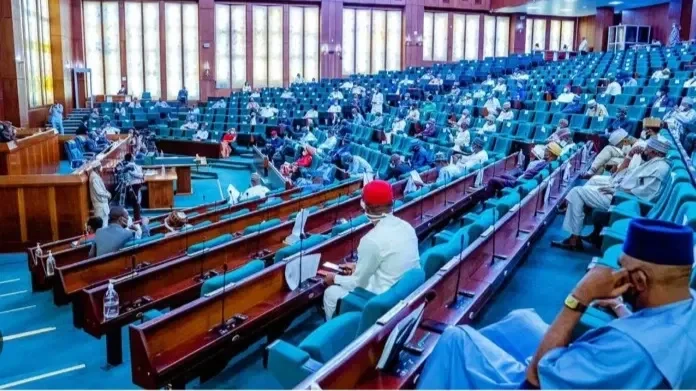
The House of Representatives Committee on Housing and Habitat has commenced an investigation into the operations of the MOFI Real Estate Investment Fund (MREIF), a flagship housing finance initiative established to expand access to affordable homeownership in Nigeria. The probe will examine the fund’s governance structure, financial operations, project delivery mechanisms and overall performance, amid growing calls for greater transparency and accountability in the administration of public housing programmes. The committee stated that the review forms part of its constitutional oversight responsibilities and aims to ensure that the fund is meeting its stated objectives of improving housing affordability and increasing access to mortgage financing for Nigerians.
/ You Might Also Like /




The development places one of Nigeria’s most prominent housing finance initiatives under legislative scrutiny at a time when the country continues to face a significant housing deficit and affordability challenges.
Committee Seeks Transparency and Accountability
According to the Chairman of the House Committee on Housing and Habitat, Abdulmumin Jibrin, the investigation will involve a comprehensive assessment of MREIF’s activities, performance and operational framework. The committee has summoned the fund’s management team to appear before lawmakers as part of the investigative process.
Lawmakers indicated that the review will focus on whether the administration of the fund aligns with the Federal Government’s affordable housing objectives and whether resources have been deployed efficiently to support housing delivery.
The committee also disclosed that it intends to review petitions and concerns submitted by stakeholders regarding the operation of the fund.
The investigation reflects broader efforts by the National Assembly to strengthen oversight of strategic government programmes and public investment initiatives.
Understanding the MREIF Initiative
The MOFI Real Estate Investment Fund was established under the Ministry of Finance Incorporated (MOFI) as part of the Federal Government’s strategy to address Nigeria’s housing deficit and deepen access to long-term housing finance. The initiative was designed to mobilise capital from public and private sector investors to support large-scale housing development and affordable mortgage financing.
MREIF aims to provide mortgage facilities with longer repayment periods and lower interest rates than conventional market offerings. According to the fund’s official framework, eligible homebuyers can access mortgage financing with repayment terms of up to 20 years and interest rates significantly below prevailing commercial lending rates.
The programme has been positioned as a key component of the Federal Government’s housing reform agenda under the Renewed Hope framework.
Focus Areas of the Investigation
The House Committee is expected to assess several aspects of the fund’s operations, including governance arrangements, capital deployment, project implementation and housing delivery outcomes. Lawmakers will also examine whether the fund’s structure and financing mechanisms are effectively supporting affordable housing development and mortgage accessibility.
Particular attention is likely to be given to transparency in fund management, accountability for allocated resources and the measurable impact of the initiative on housing availability.
Industry observers note that such reviews are important for ensuring that public-sector housing interventions achieve intended objectives and deliver value to beneficiaries.
The findings of the investigation could influence future policy decisions regarding housing finance programmes and public investment structures.
MREIF’s Role in Nigeria’s Housing Market
Nigeria continues to face one of the largest housing deficits in Africa, with estimates frequently ranging into the millions of units. Limited access to affordable mortgage financing remains one of the major barriers to homeownership, particularly for low- and middle-income households.
MREIF was created to address this challenge by mobilising long-term capital and reducing borrowing costs for prospective homeowners. Initial reports indicated that the fund’s first major issuance was valued at approximately ₦250 billion, with longer-term projections targeting significantly larger capital mobilisation.
The initiative also seeks to stimulate housing construction, support job creation and strengthen the broader real estate value chain.
Housing sector stakeholders generally view sustainable housing finance as a critical requirement for expanding homeownership opportunities across the country.
Implications for Investors and Stakeholders
The legislative review is expected to attract attention from investors, developers, financial institutions and housing sector participants involved in the fund or related housing initiatives.
Transparency and accountability remain important considerations for attracting long-term investment into housing finance schemes. Effective governance structures can strengthen investor confidence and improve the credibility of public-private housing programmes.
Analysts note that the outcome of the investigation may provide additional clarity regarding the performance, operational structure and future direction of MREIF.
For developers and mortgage providers, the review could also help identify opportunities to strengthen implementation frameworks and improve housing delivery outcomes.
Housing Finance and Policy Reform
The investigation comes at a time when policymakers continue to explore new approaches to expanding housing access and addressing affordability challenges. Housing finance remains one of the most critical components of Nigeria’s housing ecosystem, influencing both supply and demand dynamics.
Experts have consistently advocated for stronger mortgage markets, improved access to long-term financing and enhanced institutional frameworks capable of supporting large-scale residential development.
Programmes such as MREIF have been introduced to help bridge financing gaps and encourage greater participation from private capital. However, their effectiveness depends on strong governance, transparent administration and measurable results.
The House Committee’s review is therefore likely to contribute to broader discussions on housing finance reform and policy effectiveness.
Conclusion
The House of Representatives’ decision to investigate the MOFI Real Estate Investment Fund marks a significant development in the oversight of Nigeria’s affordable housing initiatives. By examining governance structures, financial operations and project outcomes, lawmakers aim to determine whether the fund is fulfilling its mandate of expanding access to affordable homeownership and supporting housing sector development.
As the investigation progresses, stakeholders across the housing, finance and real estate sectors will be watching closely. The outcome could shape future housing finance policies, strengthen accountability mechanisms and influence how public and private capital are mobilised to address Nigeria’s housing deficit and affordability challenges
READ MORE