House of Representatives advances the Federal Government's revised 2026 budget proposal for further legislative scrutiny
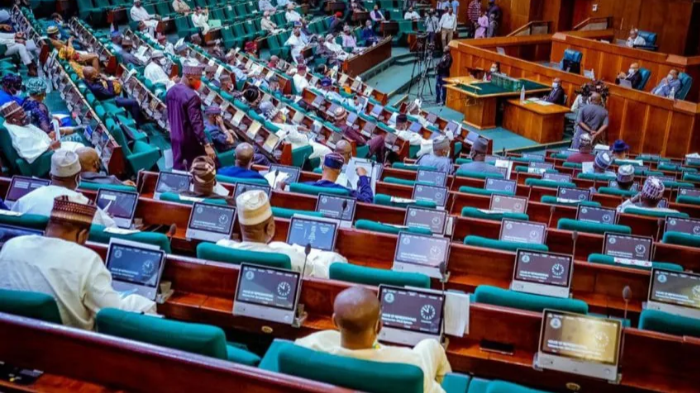
The House of Representatives has passed the proposed ₦65.17 trillion revised 2026 Appropriation Bill for second reading, advancing the Federal Government's plan to reduce its existing spending framework by approximately ₦3.15 trillion.
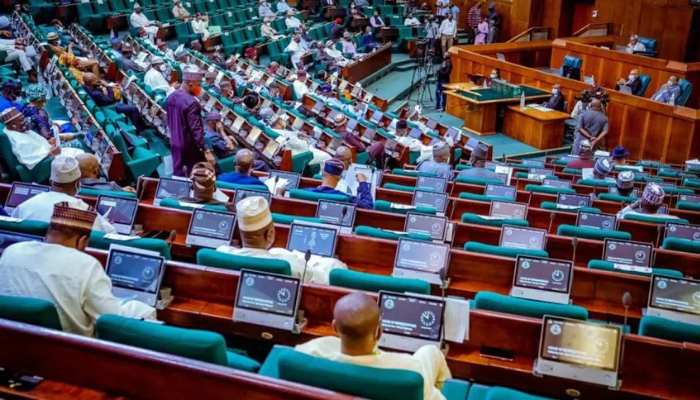
The bill passed second reading during plenary on Wednesday, 25 November 2026, following President Bola Tinubu's request for the repeal and re-enactment of the 2026 Appropriation Act.
/ You Might Also Like /




The proposed expenditure of ₦65.176 trillion represents a reduction from the ₦68.32 trillion budget approved by the National Assembly and signed into law in April 2026. The revised proposal seeks to align government spending with existing financial obligations, available resources and outstanding commitments.
The bill has been referred to the House Committee on Appropriations for further legislative consideration. It has not yet completed the legislative process required to become law.
Revised Budget Allocates ₦21.19 Trillion to Debt Servicing
Under the revised proposal, the Federal Government has divided the ₦65.17 trillion expenditure into four major components:
₦4.43 trillion for statutory transfers.
₦21.19 trillion for debt servicing.
₦15.73 trillion for recurrent non-debt expenditure.
₦23.83 trillion for capital expenditure through the Development Fund.
Debt servicing is the second-largest component after capital expenditure, accounting for approximately 32.5 per cent of the proposed budget.
The revised framework also projects Federal Government revenue of ₦33.72 trillion, including earnings from government-owned enterprises.
Despite the reduction in total expenditure, the fiscal deficit remains unchanged at ₦31.46 trillion, equivalent to 5.64 per cent of gross domestic product.
The government also retains its planned new borrowing of approximately ₦29.22 trillion, comprising ₦18.43 trillion in domestic borrowing and ₦10.79 trillion in foreign borrowing.
Tinubu Explains Reasons for Budget Revision
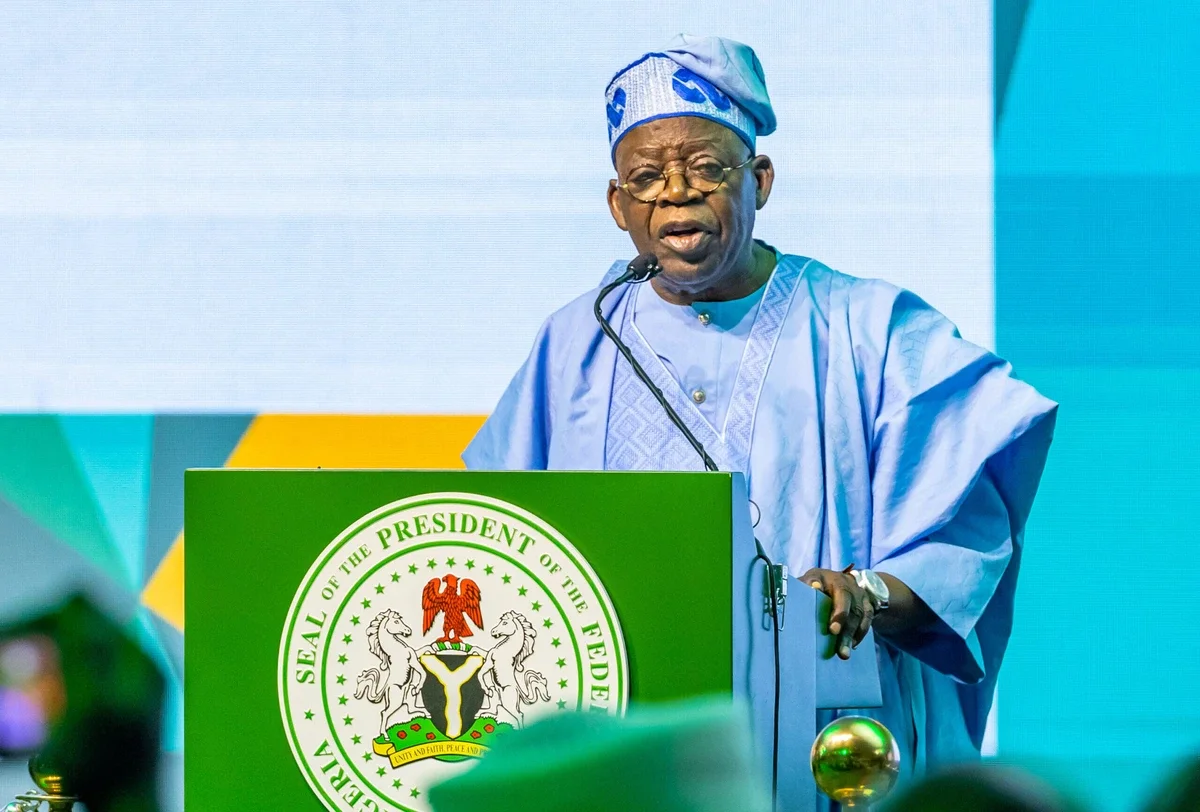
In his letter to the National Assembly, Tinubu said the proposed changes would align the budget with existing obligations and available resources.
The revision is intended to regularise certain expenditures incurred by the Nigerian National Petroleum Company Limited on behalf of the Federation, address underprovided debt-service obligations, recognise issued capital warrants and supplementation commitments, and provide refunds to Ministries, Departments and Agencies.
The President also said most capital provisions for MDAs had already been warranted, while some additional capital and overhead allocations were introduced to address priority national interventions.
These include completing critical road projects, protecting agricultural production, reducing production costs, improving farm yields, expanding market access and addressing water vulnerability.
The revised framework also places emphasis on improving the credibility and execution of capital spending by prioritising existing commitments.
Capital Spending Framework Includes ₦26.23 Trillion
Although the proposed budget allocates ₦23.83 trillion to capital expenditure through the Development Fund, the wider fiscal framework puts aggregate capital expenditure at ₦26.23 trillion.
The two figures represent different budget measures and should not be treated as interchangeable.
The larger aggregate capital expenditure figure reflects the government's broader capital spending framework, while the ₦23.83 trillion represents the specific Development Fund component outlined in the appropriation bill.
The government says the revised provisions will support the completion of existing projects and address selected national priorities before the end of the 2026 fiscal year.
For the construction and infrastructure sectors, the emphasis on completing critical road projects could influence connectivity, logistics costs and access to economic centres. However, the proposal does not provide a specific housing-sector allocation or identify new federal housing projects under the revised framework.
Revised Budget Still Requires Legislative Approval
The passage of the bill for second reading marks an intermediate stage in the legislative process rather than final approval of the revised budget.
The House Committee on Appropriations is expected to undertake further scrutiny before the bill proceeds through subsequent legislative stages.
The Senate must also consider the proposed changes as part of the National Assembly's approval process before the revised appropriation can take effect.
Until the necessary approvals are secured, the ₦68.32 trillion appropriation remains the existing 2026 budget framework.
High Debt Obligations Remain a Key Fiscal Concern
The proposed reduction in total expenditure does not change the government's projected fiscal deficit or planned borrowing.
With ₦21.19 trillion earmarked for debt servicing and the deficit remaining at ₦31.46 trillion, the revised framework continues to place significant emphasis on managing existing financial obligations.
For businesses, infrastructure investors and property developers, the implications will depend largely on how effectively the government executes capital allocations and meets outstanding commitments.
The proposed adjustments may improve the alignment between spending plans and existing obligations, but their impact on economic activity and infrastructure delivery will depend on timely implementation and the availability of financing.
READ MORE