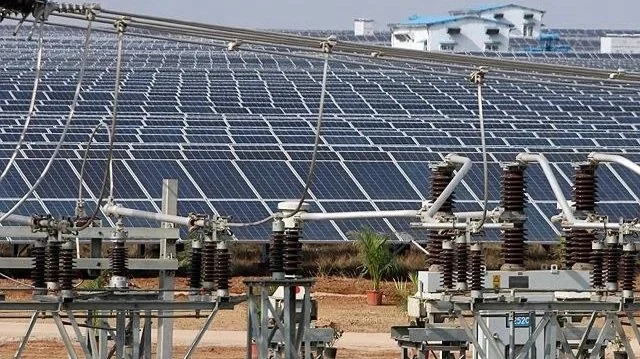
REA Advances Campus Electrification with Solar Power Projects
The Rural Electrification Agency (REA) has announced that 15 Nigerian universities now benefit from stable electricity through its ongoing solar hybrid electrification programme, marking another milestone in the Federal Government's efforts to expand renewable energy infrastructure across public institutions.
According to the agency, the projects are improving electricity reliability for thousands of students, lecturers and researchers while reducing dependence on diesel-powered generators and lowering energy costs. The initiative forms part of the Federal Government's broader strategy to increase access to sustainable electricity through decentralised renewable energy systems.
/ You Might Also Like /




Expanding Renewable Energy Across Public Institutions
The university electrification programme combines solar photovoltaic systems with battery storage and complementary power technologies to ensure more reliable electricity supply while reducing dependence on diesel generators.
The REA noted that improved electricity availability is helping universities operate more efficiently by supporting academic activities, research, digital learning platforms and essential administrative services. Stable power also reduces operational costs associated with self-generation and contributes to lower greenhouse gas emissions.
The programme builds on Nigeria's broader commitment to expanding renewable energy deployment in education and other public institutions.
Supporting Education and Research
Reliable electricity remains a critical requirement for higher education institutions.
Consistent power supply enables laboratories, innovation hubs, libraries, information technology facilities and healthcare centres to operate without prolonged interruptions. It also supports digital learning, scientific research and technological development, all of which contribute to improving educational outcomes.
For students and academic staff, dependable electricity enhances the overall learning environment while strengthening institutional productivity.
Infrastructure and Economic Benefits
Beyond the campuses themselves, improved electricity infrastructure can generate wider economic benefits for surrounding communities.
Universities often serve as important economic hubs that support housing, retail businesses, transport services and other commercial activities. Reliable electricity can encourage further investment around these institutions, stimulate local enterprise and improve the attractiveness of nearby residential and commercial developments.
The expansion also demonstrates how decentralised renewable energy can complement grid infrastructure in addressing Nigeria's long-standing electricity challenges.
Implications for Sustainable Development
The REA's latest milestone reinforces the growing role of renewable energy in national infrastructure development.
As Nigeria seeks to improve electricity access while reducing reliance on fossil fuels, solar-powered public infrastructure offers a scalable solution for strengthening service delivery across universities, hospitals and other government facilities.
For policymakers, the programme highlights how targeted investment in clean energy can support education, economic productivity and long-term infrastructure resilience.
Outlook
The expansion of stable solar-powered electricity to 15 universities reflects continued investment in renewable energy as a driver of sustainable development. As additional public institutions adopt similar solutions, decentralised energy systems are expected to play an increasingly important role in improving infrastructure, supporting economic growth and enhancing the quality of public services across Nigeria.
READ MORE