Several States Report No Completed Homes Despite Ongoing Housing Projects
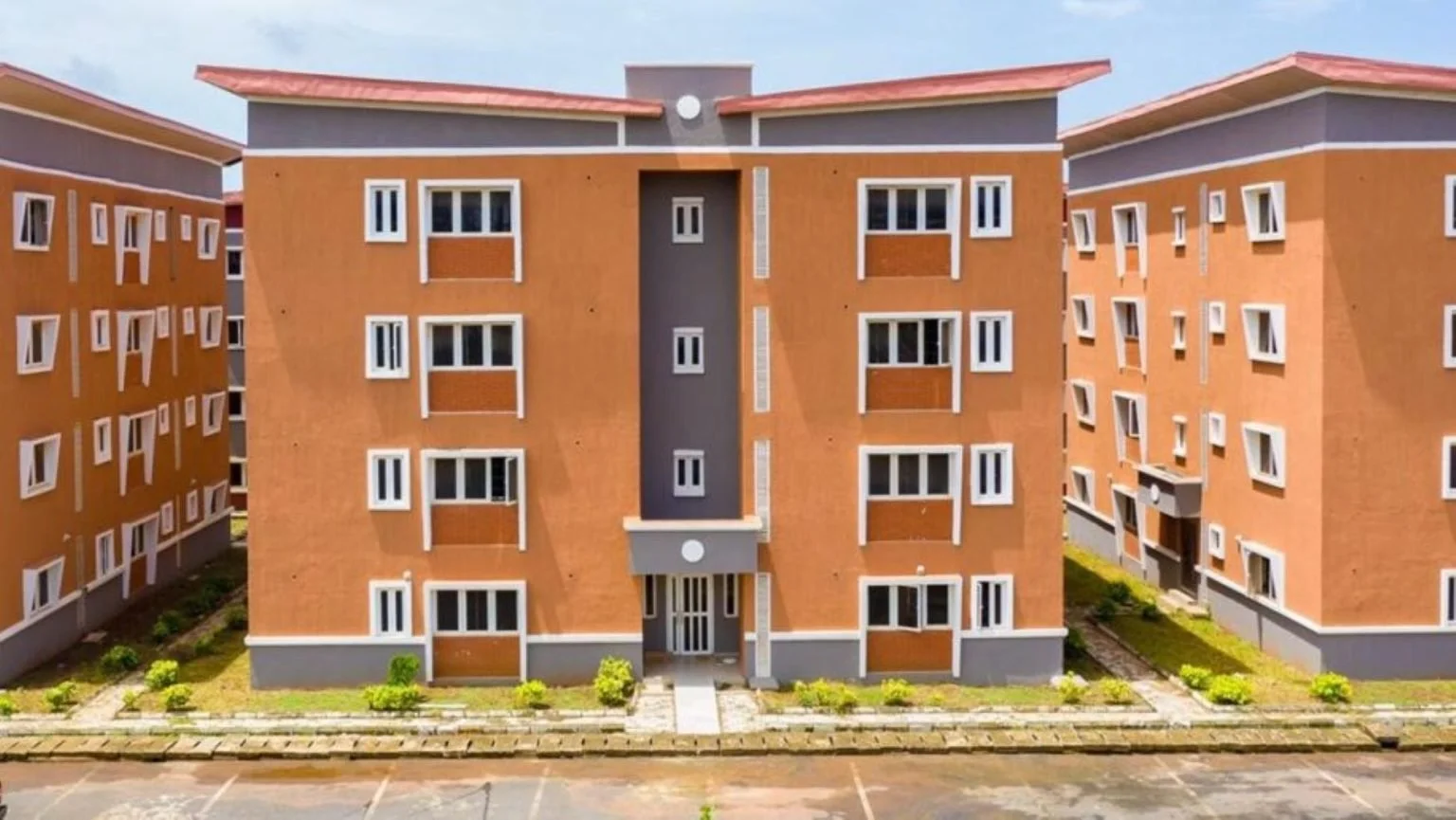
Several Nigerian states recorded no completed housing units during the 2026 reporting period, while Borno State delivered 1,614 homes, highlighting wide differences in housing production across the country and raising questions about the capacity of state housing agencies to meet demand.
/ You Might Also Like /




The figures form part of an assessment by the Association of Housing Corporations of Nigeria (AHCN), which examined housing delivery by state housing corporations. The findings show that some states recorded substantial increases in completed units, while others reported limited output or no completions.
Borno’s reported delivery rose from 500 units in 2025 to 1,614 in the latest assessment. Benue also increased its output to 154 units from 30 a year earlier, while Jigawa recorded 505 completions, compared with 500 in 2025.
Other states reporting completed homes included Kano, with 340 units; Bayelsa, with 108; Zamfara, with 80; and Delta, with 72.
The figures highlight an uneven pattern of public housing delivery. However, zero reported completions should not automatically be interpreted as evidence that a state undertook no housing activity, as some projects may remain under construction or reporting data may be incomplete.
Borno’s Output Contrasts With Uneven Delivery Elsewhere
Borno’s increase represents one of the most notable results in the assessment. Its reported completions more than tripled from the previous year, suggesting a significant expansion in delivery through the state’s housing corporation during the period reviewed.
Benue also recorded a marked increase, although its total remained much lower than Borno’s. Jigawa’s output changed only slightly, indicating that performance varied even among states reporting completed units.
The assessment also identified states with no completed units during the reporting period. For housing policymakers and investors, these differences matter because completed homes provide a more direct measure of delivery than announcements, proposed developments or construction pipelines.
However, the figures alone do not explain why some states performed better than others. Establishing the reasons would require more information on funding, land availability, project costs, construction timelines and the number of homes each state planned to deliver.
Thousands of Planned Homes Remain in the Pipeline
The assessment also identified large housing projects that had yet to translate into completed units. Enugu reported 15,000 units under construction, Lagos had 2,413 ongoing units, while Niger reported 6,000 units under a joint-venture arrangement at an advanced stage.
These projects could expand housing supply if developers complete them and bring the homes to market. Until then, their contribution to the stock of available housing remains uncertain.
The distinction between ongoing and completed units is important in evaluating government housing programmes. Construction pipelines indicate potential future supply, but they do not establish when buyers or tenants will gain access to the homes, how much the units will cost or whether households on lower incomes can afford them.
For developers and investors, completion rates can also help reveal whether projects are moving through the delivery process at a sustainable pace. Consistent reporting on construction milestones, funding and handover dates would make state-level performance easier to assess.
State Housing Agencies Face Structural and Financial Constraints
AHCN has called for state housing corporations to be strengthened so they can play a more effective role in delivering homes. The association has identified constraints including limited access to long-term finance, land acquisition difficulties, inadequate working capital and outdated institutional arrangements.
Housing corporations in Bauchi, Nasarawa and Taraba have been merged with their respective ministries. While the assessment does not establish that these mergers caused weak delivery, the changes raise questions about the autonomy, resources and operational capacity available to public housing agencies.
AHCN has also raised concerns about access to land, saying housing corporations can struggle to secure sites when state land-allocation systems favour other development interests. It has advocated improved land-allocation arrangements and land banks to support future housing schemes.
For state governments, the challenge is not simply to establish housing agencies but to equip them to acquire land, structure viable projects, attract finance and oversee construction through to completion.
Public-Private Partnerships Must Deliver Affordable Homes
Several states have pursued joint ventures and public-private partnerships to expand housing supply. The assessment identified PPP activity in Abia, Akwa Ibom, Kaduna, Kano, Kebbi, Lagos and Niger.
In Kebbi, a 250-unit joint-venture project had recorded 50 completed homes. Kaduna also had partnership projects at different stages, including developments undergoing mobilisation.
Private capital can help state governments overcome some funding constraints, but the number of partnerships or projects announced does not, by itself, demonstrate success. Their performance should be assessed against completed units, delivery timelines, infrastructure provision and the prices charged to prospective occupants.
This distinction is particularly important in a market where a shortage of affordable homes persists alongside developments that many households cannot afford. A project can increase housing supply without necessarily improving access for low- and middle-income earners.
Completion Figures Need to Be Matched With Affordability
AHCN has argued that affordability should reflect the full cost of owning or occupying a home, rather than the construction price alone. Relevant factors include land, building costs, infrastructure, mortgage interest, repayment periods, household incomes, transport, energy and maintenance.
These costs influence whether completed units can reach the people most affected by Nigeria’s housing shortage. They also determine whether housing projects can attract sustainable demand and generate sufficient returns to support further development.
For investors and developers, the state-by-state figures offer a starting point for assessing delivery performance, but they do not provide a complete picture of market viability. More detailed information on unit prices, buyer eligibility, financing arrangements and occupancy would help establish whether completed projects meet local housing needs.
Better Reporting Should Track Homes From Approval to Occupancy
The latest assessment highlights the need for more consistent state-level housing data. Governments and housing corporations should report not only the number of units completed but also the number planned, under construction, delayed, handed over and occupied.
Such reporting would help distinguish genuine delivery progress from projects that remain on paper or have stalled during construction. It would also enable policymakers to compare performance across states and identify where land, funding or implementation problems require attention.
Borno’s reported 1,614 completions show that substantial output is possible at state level, while the zero-completion reports highlight the uneven pace of delivery elsewhere. The next step is to understand what drives these differences and whether the completed homes are affordable to the households that need them.
For Nigeria’s housing market, the key measure is not how many projects states announce, but how consistently they turn plans and investment into completed, accessible homes.
READ MORE