EFCC arrests 14 Chinese nationals over illegal lithium processing in Ogun
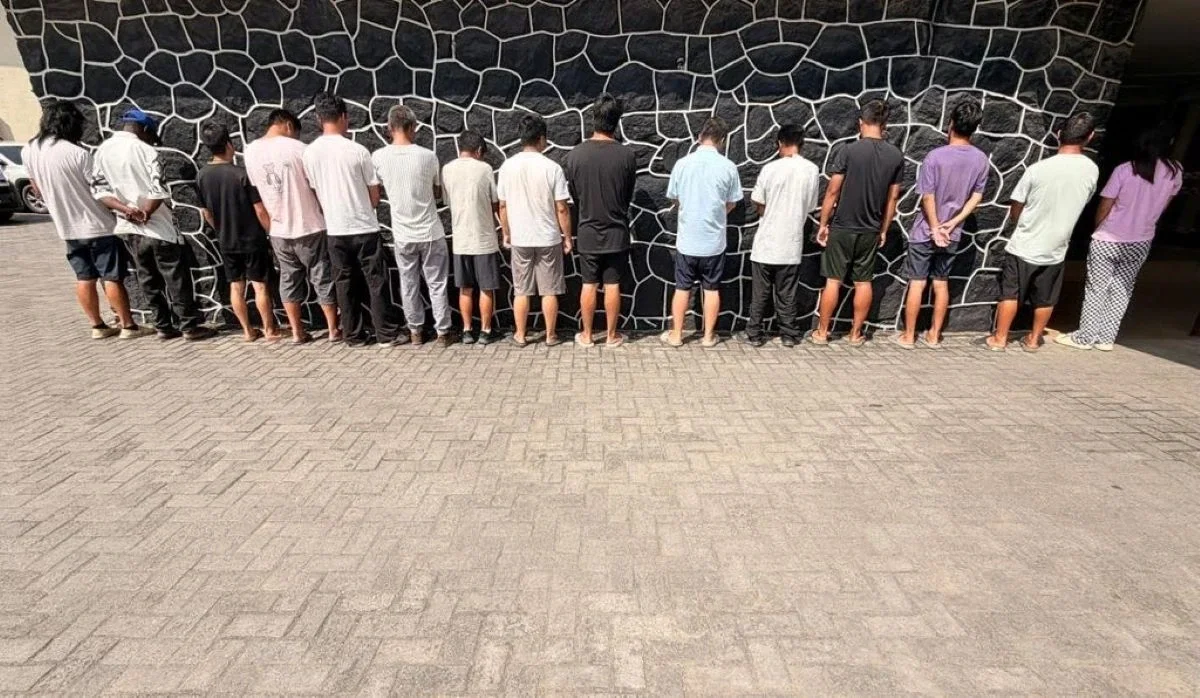
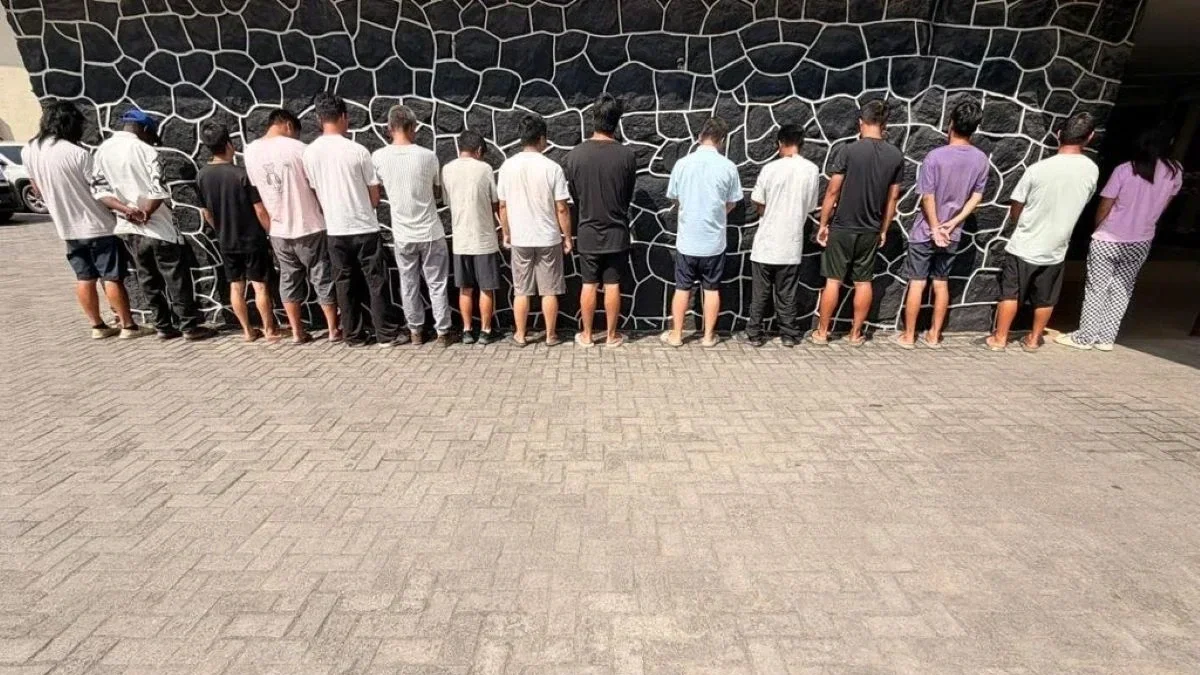
The Economic and Financial Crimes Commission (EFCC) has arrested 14 Chinese nationals and one Nigerian over alleged illegal lithium-processing activities at four facilities in Ogere, Ogun State, as authorities intensify efforts to regulate the country’s solid minerals sector.
The suspects were arrested on Friday, October 23, following intelligence gathering and surveillance by operatives of the EFCC’s Lagos Zonal Directorate 2. The commission announced the arrests on Monday, October 26, 2026.
/ You Might Also Like /




During the operation, investigators recovered bags containing lithium-bearing rocks, 18 mobile phones, four laptops, two decoders, a television remote control and a trailer truck.
The EFCC said investigations were continuing and that the suspects would be charged in court after the necessary inquiries had been completed. The commission has not publicly identified the suspects or disclosed the quantity of lithium recovered.
Investigation Targets Four Processing Facilities
The arrests followed an operation targeting four facilities in the Ogere area where the suspects allegedly processed lithium without the required authorisation.
The EFCC has not provided detailed information about the facilities' ownership, the source of their raw materials or the specific licences and regulatory approvals they allegedly lacked. Those details remain important to establishing the full circumstances of the case.
The investigation forms part of broader enforcement efforts against unauthorised mineral extraction and processing. Illegal operations can deprive the government of royalties and other revenue, undermine legitimate operators and weaken oversight of mineral supply chains.
The suspects remain subject to investigation, and the allegations have yet to be determined by a court.
Nigeria Tightens Oversight of Lithium Industry
Lithium has attracted growing attention because of its use in rechargeable batteries for electric vehicles, electronic devices and renewable-energy storage systems. Nigeria is seeking to develop its solid minerals industry to diversify government revenue and reduce dependence on crude oil.
The government has also been encouraging domestic processing rather than the export of raw minerals alone. In July 2026, authorities inaugurated a lithium-processing facility in Nasarawa State with a reported capacity of 6,000 metric tonnes of lithium ore daily.
However, investment in processing infrastructure also requires effective licensing, environmental oversight, transparent mineral sourcing and enforcement of applicable laws. Without these safeguards, illegal operations can undermine the revenue and local economic benefits that mineral development is intended to generate.
Implications for Investment and Local Communities
The case highlights a regulatory challenge for Nigeria as it seeks to attract investment into critical minerals. Investors need clear licensing rules, reliable enforcement and transparent operating conditions, while the government needs to ensure that mineral extraction and processing generate legitimate public revenue.
Illegal processing can also expose communities to environmental risks if operators fail to comply with applicable standards. Effective oversight therefore requires more than arrests: authorities must establish how facilities obtain minerals, verify their operating permits and ensure that businesses meet environmental and reporting requirements.
For legitimate operators, consistent enforcement could help create a more predictable competitive environment. The outcome of the investigation will provide further information about the alleged activities and the effectiveness of regulatory controls in the lithium supply chain.
Enforcement Will Test Nigeria’s Mineral Development Strategy
The arrests come as Nigeria seeks to position its mineral resources as a source of investment, industrial development and economic diversification. The challenge is to translate that ambition into a sector where operators comply with the law and the country captures more value from its resources.
The next steps in the Ogun investigation, including any court proceedings and further disclosures about the facilities, will help clarify the scale of the alleged operations. For now, the case underscores the importance of enforcement and accountability as Nigeria expands its domestic mineral-processing capacity.
READ MORE