Nigeria recorded 14.63% annual inflation in September 2026
Nigeria ranked sixth among African countries with the highest inflation rates in the latest comparison published by Nairametrics, with annual headline inflation easing to 14.63% in September 2026.
Malawi recorded the highest rate among the 10 countries reviewed at 19.40%, followed by Rwanda at 17.20% and Libya at 16.60%. Sierra Leone ranked fourth at 15.66%, while Ethiopia came fifth at 14.90%, placing Nigeria immediately below it.
/ You Might Also Like /




The comparison draws on the latest available consumer price index figures from national statistical agencies and central banks. Because the reporting periods differ across countries, the ranking is not based entirely on inflation readings from September.
Nigeria's September inflation rate fell from 15.39% in August, a decline of 0.76 percentage points, according to the National Bureau of Statistics. Food inflation remained elevated at 19.59% year-on-year, although month-on-month food inflation turned negative, indicating that average food prices fell during the month.
The figures highlight the difference between easing inflation and a reduction in the overall cost of living. Even as annual inflation slows, households and businesses continue to face prices that have risen substantially over time.
Malawi, Rwanda and Libya Record the Highest Rates
Malawi topped the comparison with inflation of 19.40% in September, down from 20.00% in August. The moderation reflected a slowdown in food inflation, although non-food prices continued to rise sharply.
Rwanda's inflation accelerated to 17.20% in September from 15.70% in August. Higher prices for food, transport and energy contributed to the increase, with energy inflation particularly elevated.
Libya ranked third after inflation rose to 16.60% in September from 14.30% in August. Food inflation increased to 21.20%, adding to pressure on household purchasing power.
Sierra Leone recorded inflation of 15.66% in August, up from 14.89% in July. Ethiopia, by contrast, saw its rate ease to 14.90% in September from 15.10% in August.
Other countries in the comparison were Egypt at 12.80%, São Tomé and Príncipe at 9.40%, Mauritania at 9.30% and Madagascar at 8.60%. The latest figures for these countries came from different months, reflecting differences in the availability of official data.
Nigeria’s Inflation Eases but Household Costs Remain High
Nigeria's headline inflation rate continued to moderate in September, extending the recent decline in annual price growth. However, food inflation remained at 19.59%, considerably above the headline rate and a significant source of pressure on household budgets.
The distinction matters because lower annual inflation does not mean that prices have returned to earlier levels. It means prices are increasing more slowly than they did over the corresponding period a year earlier.
For households, persistent food costs reduce the income available for rent, mortgage payments, utilities and other essential expenses. For businesses, elevated input and operating costs can constrain investment and increase pressure to raise prices.
The Central Bank of Nigeria cut its benchmark interest rate to 23% in September 2026, reducing it by 350 basis points. The easing followed a period of tight monetary policy intended to bring inflation under control.
The challenge for policymakers is to sustain the decline in inflation without undermining economic activity, while addressing structural factors such as food supply constraints, transport costs, energy expenses and exchange-rate pressures.
Implications for Housing and Property Markets
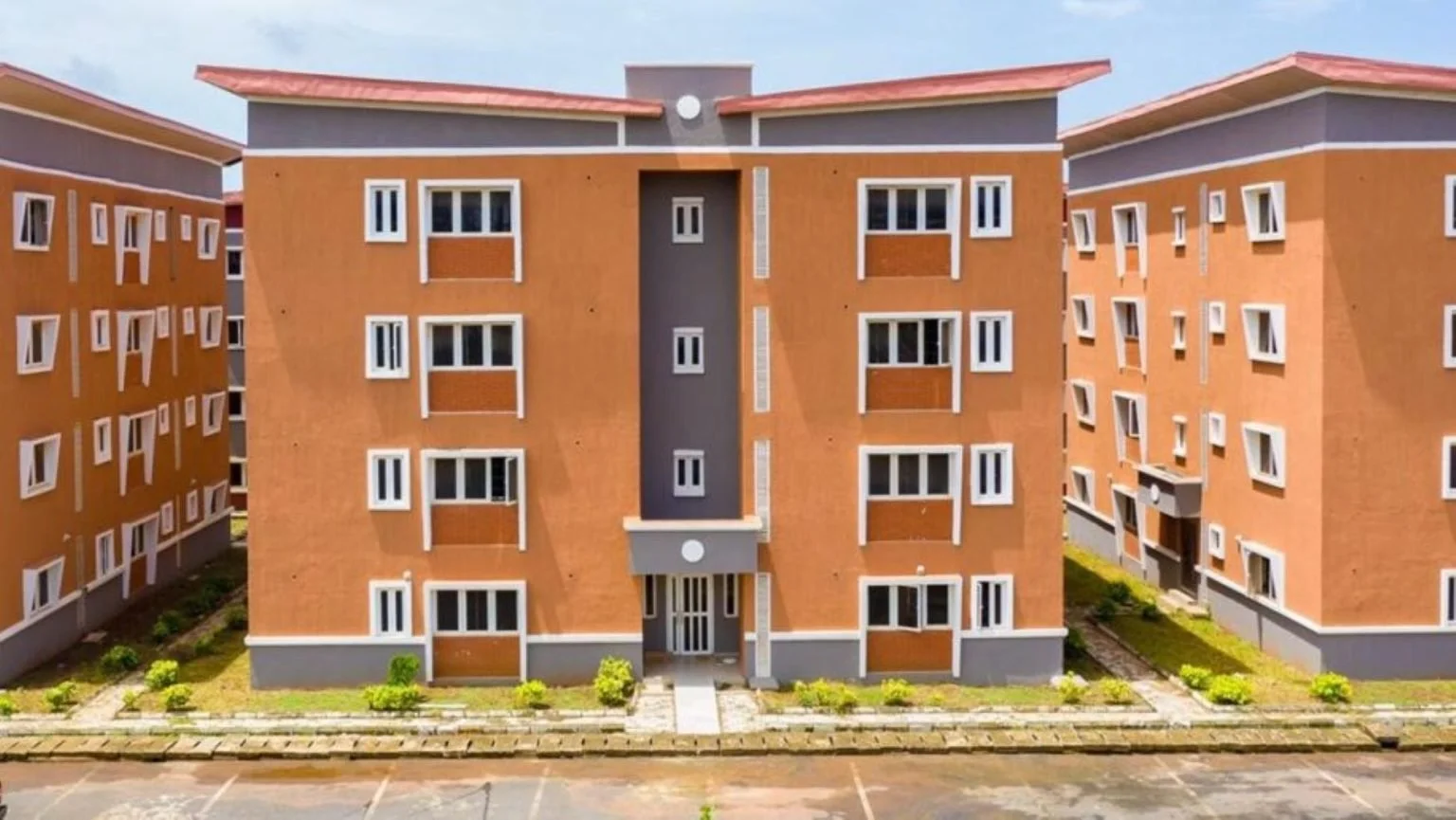
Inflation remains a key factor shaping Nigeria's housing affordability and property investment outlook. When food, transport, energy and other essential expenses consume a larger share of household income, prospective buyers have less money available for rent deposits, mortgage repayments and home purchases.
Developers also face cost pressures from building materials, logistics, energy and labour. If these expenses remain high, they can make affordable housing projects harder to deliver and limit the ability of developers to reduce selling prices.
Although easing inflation could gradually improve household purchasing power and business planning, the benefits will depend on whether the slowdown continues and borrowing costs become more manageable. The 23% policy rate also means financing remains expensive for many businesses and prospective homeowners.
For housing-market participants, the important indicators to monitor include food and headline inflation, interest rates, construction costs and household income growth. These factors will help determine whether improving inflation figures translate into better housing affordability and stronger property demand.
Inflation Trends Remain Uneven Across Africa
The latest comparison shows that African economies are experiencing different inflation trajectories. Malawi's rate eased, while Rwanda and Libya recorded renewed increases. Nigeria's inflation moderated, but remained among the highest rates in the group.
The comparison also requires caution because the countries' latest available readings cover different months. It should therefore be treated as a snapshot of reported inflation rates rather than a perfectly synchronised measure of economic conditions across the continent.
For Nigeria, the next test is whether declining headline inflation can be sustained and accompanied by meaningful relief in household expenses, business costs and access to finance.
READ MORE