FMBN and ICPC recover 27.9 hectares in Abuja for renewed housing development
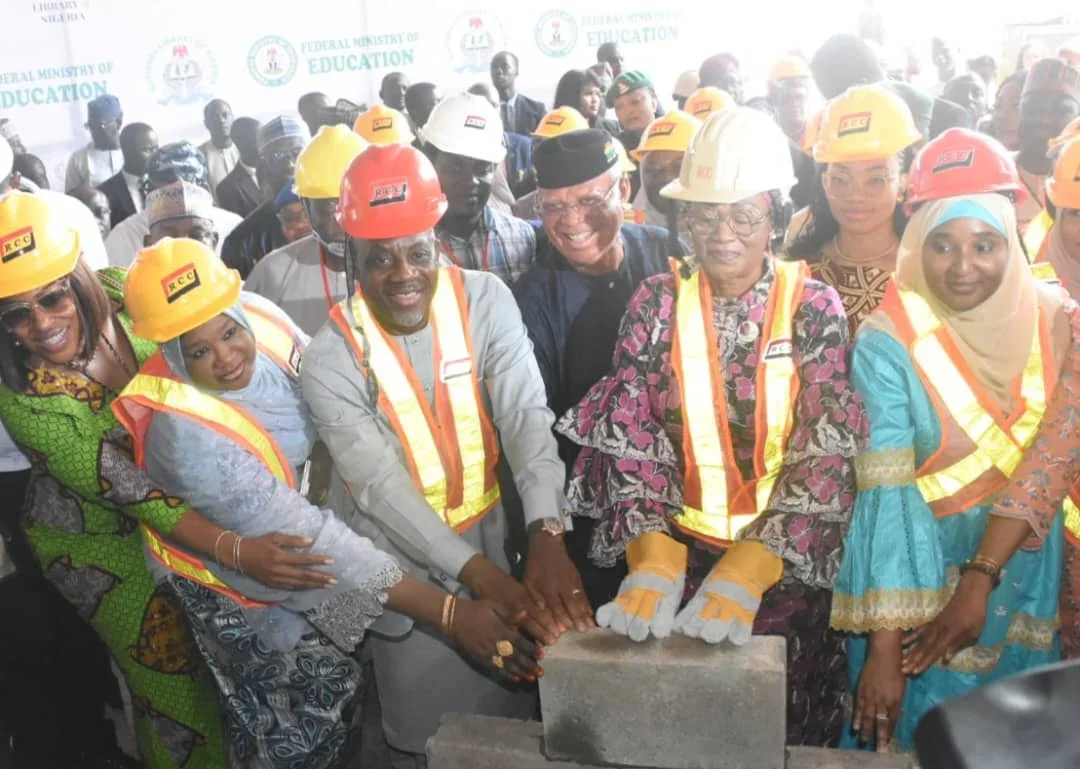
The Federal Mortgage Bank of Nigeria (FMBN), working with the Independent Corrupt Practices and Other Related Offences Commission (ICPC), has recovered a 27.9-hectare property in Kaba District, Abuja, previously tied to an abandoned housing project initiated in 2012. The Bank now expects the site to accommodate 1,358 housing units, up from the original 962, following the engagement of new developers.
/ You Might Also Like /




The recovery addresses a long-running project failure involving a $65 million loan facility guaranteed by FMBN. The development had remained abandoned after the original developer failed to fulfil its obligations, leaving the loan classified as non-performing for approximately 10 years.
The recovery also creates an opportunity for FMBN to convert a previously stranded asset into housing supply while addressing losses associated with the failed project.
FMBN, ICPC secure recovery through court process
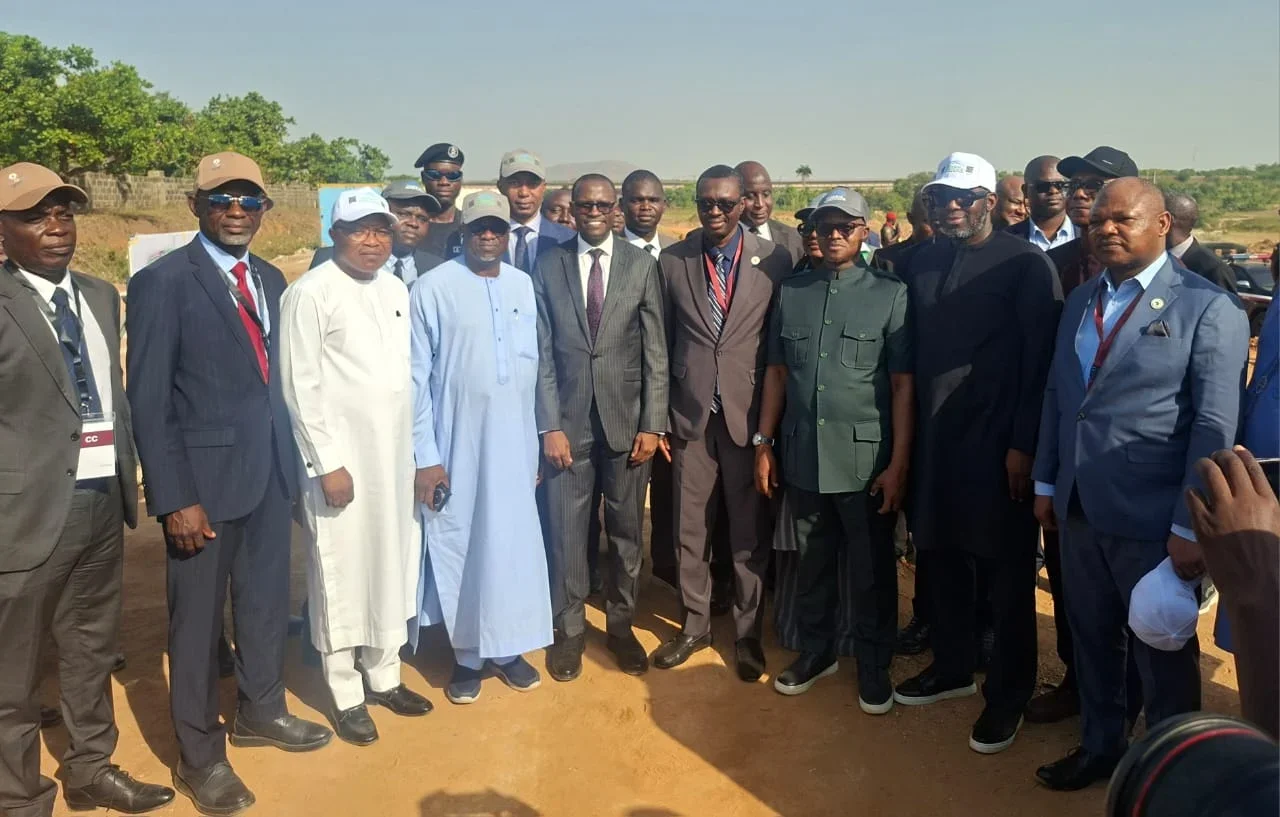
FMBN Managing Director and Chief Executive, Shehu Usman Osidi, disclosed the development during a visit to the recovered property by delegates attending the inaugural General Assembly of the African Asset Recovery Practitioners' Forum in Abuja.
He explained that the project was originally conceived in 2012 to deliver 962 housing units but stalled after the developer failed to meet its obligations under the financing arrangement.
The ICPC secured a court-ordered forfeiture of the property and facilitated its return to FMBN. The court also directed the Commission to supervise the Bank's efforts to ensure that the land serves its original purpose of providing homes.
FMBN formally took possession of the recovered property on 21 July 2026, following a Federal High Court order. The November visit provided an opportunity for the institutions to showcase the recovery process and the proposed redevelopment to African asset-recovery practitioners.
ICPC Chairman, Dr Musa Adamu Aliyu, said the property covers 27.9 hectares, equivalent to approximately 39 football fields. He linked the site to the $65 million loan facility guaranteed by FMBN in 2012, under which the intended housing development was never delivered.
New development plan increases proposed housing units to 1,358
Osidi said the new developers had demonstrated the capacity to expand the proposed project from 962 to 1,358 housing units.
The revised proposal represents an additional 396 homes, increasing the planned housing output by approximately 41 per cent.
The expansion could improve the value generated from the recovered land and increase the number of households the development may eventually accommodate.
However, the revised figure represents the proposed development capacity, not completed or delivered homes. The project must still progress through development, construction and the relevant approval processes before the additional housing supply becomes available.
The court-directed arrangement also places the ICPC in a supervisory role to help ensure that the recovered property fulfils its original housing objective.
ICPC highlights asset recovery as a tool against corruption
Aliyu said the recovery demonstrated how asset recovery could help address the consequences of corruption and the diversion of resources intended for public development.
He called for stronger cooperation among African countries and institutions to identify, recover and return assets acquired or diverted through unlawful activities.
The ICPC chairman also cited an estimated $150 billion in annual losses across Africa from illicit financial flows, arguing that recovered resources should contribute to development and improved living conditions.
Chairperson of the African Union Advisory Board Against Corruption, Kwami Edem Senanu, commended FMBN and the ICPC for resolving a matter that had remained unresolved for years.
Senanu said the collaboration demonstrated the value of cooperation between public institutions, particularly where recovered assets can be returned to productive use.
He expressed hope that the completed development would provide affordable homes and serve as an example for other African countries seeking to convert recovered assets into public value.
Recovery could strengthen FMBN's housing finance position
The recovery has implications beyond the restoration of a parcel of land. The original project involved a substantial financing commitment backed by FMBN, making the failure to deliver the homes a challenge for the Bank's loan portfolio and housing finance mandate.
FMBN said the redevelopment would provide an opportunity to unlock the value of resources previously committed to the project and strengthen its financial position.
This is particularly relevant to the Bank's role in mobilising and deploying housing finance through the National Housing Fund and other mortgage-related programmes. When developers fail to complete projects backed by housing finance institutions, the consequences can extend to the institution's balance sheet and the wider pool of resources available for future lending.
Recovering the land and appointing new developers could therefore help protect the value of the original investment, although the extent of financial recovery will depend on the project's eventual execution and commercial structure.
For developers and lenders, the case also highlights the importance of due diligence, project monitoring, financial discipline and enforceable development agreements.
Project delivery remains the next test
The recovery of the 27.9-hectare property removes a major obstacle to reviving a housing project that has remained stalled for years. The proposed increase to 1,358 units also creates an opportunity to deliver more homes than originally planned.
However, the project's contribution to Abuja's housing supply will depend on whether the new developers can secure the necessary approvals, mobilise funding and complete construction within a realistic timeframe.
For FMBN, the priority will be to ensure that the recovered asset produces the intended housing and financial value. For prospective homebuyers, the more important milestone will be the eventual delivery of completed homes under transparent allocation and pricing arrangements.
The outcome could provide a useful example of how recovered public assets can support housing development, but its success will ultimately be measured by the homes delivered rather than the land recovered.
READ MORE