TTP Limited’s Ètò electronic truck call-up system coordinates freight movements around Lagos ports
The electronic truck call-up system operating around Lagos ports has reduced cargo transportation costs by as much as 65%, according to TTP Limited, the technology company behind the Ètò platform.
The company’s Managing Director and Co-founder, Jama Onwubuariri, disclosed the figure in an interview published by Nairametrics on November 14, 2026. He said the system has also reduced truck turnaround times, improved fleet utilisation and brought greater coordination to freight movements around the Apapa and Tin Can Island port corridors.
/ You Might Also Like /




The development highlights the role of digital logistics infrastructure in addressing one of the major constraints on Nigeria’s trade and supply chains: the cost and unpredictability of moving cargo between ports, warehouses, factories and distribution centres.
Ètò has coordinated more than four million truck movements
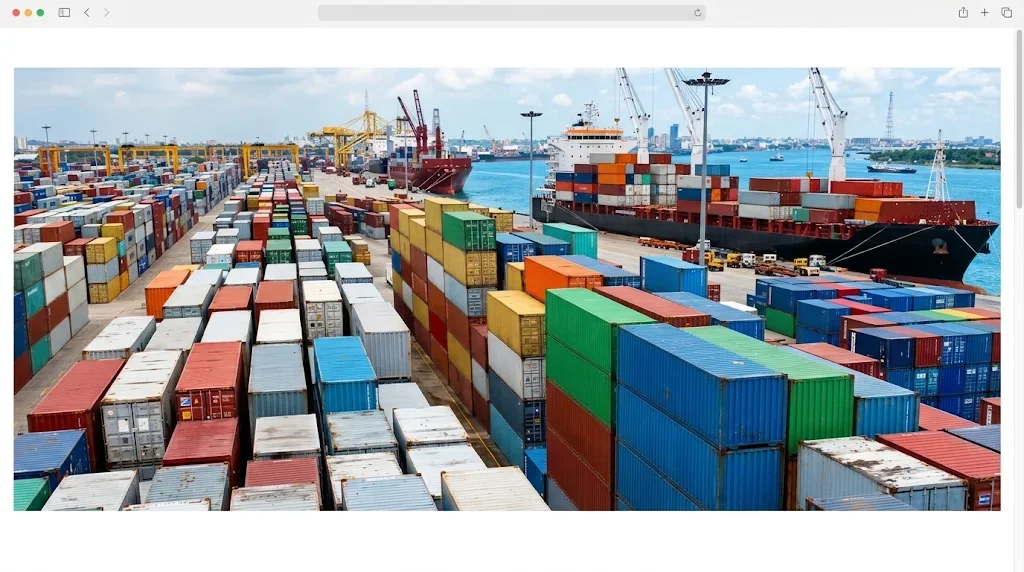
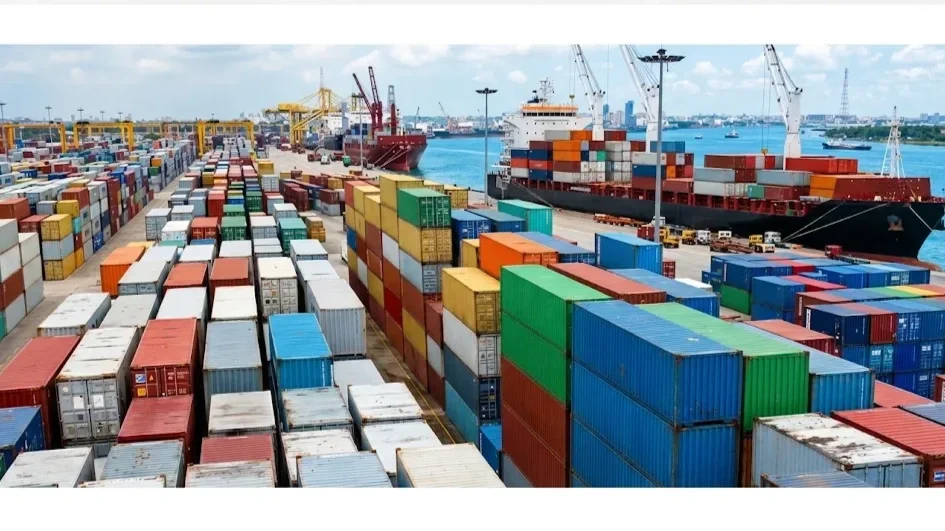
TTP introduced the Ètò electronic truck call-up system in February 2021 after years of severe congestion around Lagos ports. Before its introduction, trucks converged on port access roads with limited coordination, creating long queues and unpredictable waiting periods.
Onwubuariri said truck operators previously waited an average of 10 to 15 days to gain port access, with turnaround times in some cases extending to two or three weeks.
The platform replaced this largely unstructured process with electronic booking, scheduling, sequencing and access control. Truck operators book movement slots and proceed to designated parks and pre-gates before receiving authorisation to access the ports.
Since its launch, Ètò has coordinated more than four million truck movements, according to the company.
The system also collects operational information on truck bookings, movement patterns, waiting periods and terminal performance. This allows operators to identify congestion points and assess how efficiently vehicles move through different stages of the port process.
Truck turnaround times fall at Apapa and Tin Can ports
The system has contributed to shorter truck turnaround times around Lagos' major seaports, according to TTP.
Onwubuariri said turnaround times, which previously extended to two or three weeks, now generally fall within two to three days under normal operating conditions.
Inside the terminals, average turnaround times during the first 10 months of 2026 stood at 37 hours at the Lagos Port Complex and 31 hours at Tin Can Island Port. These figures measure the period from a truck's entry into a terminal until its exit.
The company attributed the improvement to automated truck sequencing, coordinated vehicle releases, designated holding parks and better control of access to port corridors.
However, the call-up system does not eliminate all sources of delay. Terminal processing capacity, cargo documentation, road conditions and compliance with scheduled appointments continue to affect how quickly trucks complete their journeys.
TTP identifies infrastructure gaps limiting logistics efficiency
Despite the reported improvements, Onwubuariri said digital scheduling alone cannot resolve congestion across Nigeria's freight network.
He identified the imbalance between truck arrivals, terminal receiving capacity and the availability of holding parks as major factors affecting traffic around ports and industrial facilities.
Where trucks arrive faster than terminals can process them, queues can still develop. Designated parks and pre-gates provide temporary holding capacity, while digital scheduling helps regulate the number of vehicles approaching receiving facilities.
The company also highlighted inadequate access roads, fragmented logistics data, inconsistent regulatory enforcement and limited investment in truck parks as constraints to wider improvements.
Onwubuariri argued that governments and private investors need reliable information on freight volumes, truck movements, cargo destinations and projected demand when planning logistics infrastructure.
He also called for stronger coordination among government agencies, terminal operators, manufacturers and transport companies to improve the collection and sharing of logistics data.
Expansion opportunities beyond Lagos ports
TTP said it wants to extend its intelligent mobility solutions beyond the established Lagos port corridors to industrial clusters, logistics hubs and other transport networks across Nigeria and Africa.
The company pointed to the Lekki–Epe corridor, where the Lekki Deep Sea Port, Dangote Refinery and other industrial facilities are generating freight activity, as an area where lessons from Lagos port operations could be relevant.
However, Onwubuariri clarified that TTP does not operate the Lekki–Epe system and did not provide operational data for the corridor.
He said successful deployment of truck call-up systems elsewhere would require reliable enforcement, adequate satellite parks, sufficient terminal capacity and arrangements that cover different categories of freight vehicles.
The company also identified public-private partnerships as a potential model for developing truck parks and transit hubs. Under this arrangement, government would provide the regulatory framework, land-use approvals and enabling infrastructure, while private operators could contribute capital, technology and operational expertise.
Implications for industrial property and logistics investment
More efficient port operations could strengthen the commercial case for investment in warehouses, distribution centres, industrial estates and logistics parks around major trade corridors.
Shorter truck waiting periods and more predictable cargo movements can improve the utilisation of logistics facilities and reduce some of the costs businesses face when importing raw materials or distributing finished goods.
For property investors and developers, the development reinforces the importance of transport connectivity and access to freight infrastructure when assessing industrial and logistics locations.
However, the reported 65% reduction in cargo transportation costs is a company-reported figure, not an independently established measure of savings across the entire Nigerian logistics sector. The extent to which businesses and consumers benefit will also depend on other cost factors, including terminal charges, road conditions, fuel prices, handling expenses and the efficiency of the wider supply chain.
The broader challenge is to combine digital coordination with investment in physical infrastructure. Without adequate roads, truck parks, terminal capacity and reliable enforcement, improvements in scheduling alone may not deliver sustained reductions in logistics costs.
READ MORE