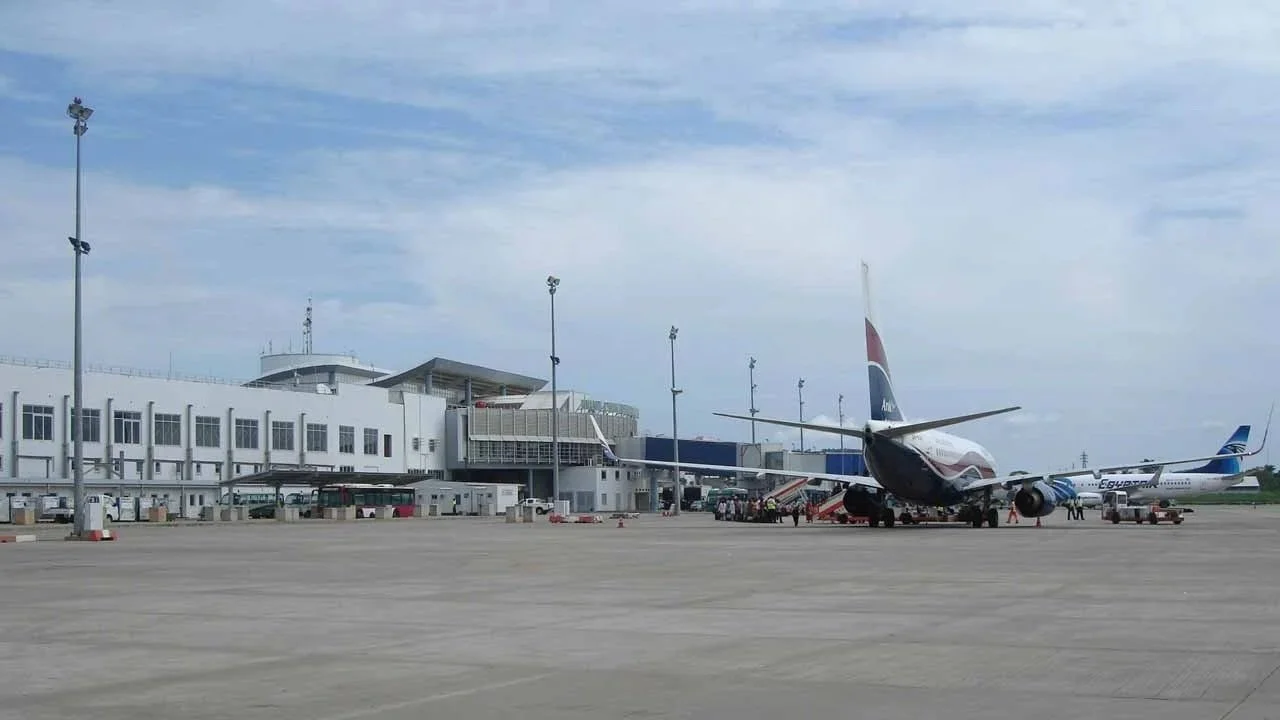
Abuja Airport, Prisons Under Heightened Security as FG Responds to Terror Risks
The Federal Government of Nigeria has intensified security measures at Nnamdi Azikiwe International Airport in Abuja and correctional facilities nationwide following renewed intelligence on potential terrorist threats targeting critical infrastructure.
Authorities confirmed the deployment of additional security personnel and the strengthening of surveillance systems at the Abuja airport and across custodial centres. The move aims to mitigate risks and safeguard strategic national assets amid heightened security concerns.
/ You Might Also Like /




Enhanced Surveillance Across Critical Infrastructure
Security agencies have increased monitoring operations at the Abuja airport, a key aviation hub that handles both domestic and international traffic. Officials have introduced stricter access controls, expanded patrol coverage, and upgraded screening procedures for passengers, staff, and cargo.
The Federal Airports Authority of Nigeria (FAAN) and other aviation regulators are coordinating closely with security services to ensure compliance with international safety protocols. These measures align with broader efforts to reinforce aviation security standards and maintain operational integrity.
Correctional facilities have also received heightened attention. The Nigerian Correctional Service has strengthened perimeter security, surveillance capabilities, and internal monitoring systems to prevent breaches or coordinated attacks.
Response to Emerging Security Intelligence
The government’s actions follow credible intelligence reports indicating potential threats from extremist groups targeting high-profile infrastructure, including airports and prisons. While officials have not disclosed specific details, the response reflects a proactive strategy to pre-empt security incidents.
Nigeria has faced persistent security challenges, including insurgency and organised criminal activity. Critical infrastructure particularly transportation hubs and detention facilities remains a strategic target due to its economic and symbolic significance.
Implications for Public Safety and Economic Stability
Strengthening security at the Abuja airport carries broader implications for investor confidence and economic stability. Aviation infrastructure plays a central role in facilitating trade, tourism, and business travel. Disruptions or security breaches could have material economic consequences.
Similarly, the protection of correctional facilities is essential for maintaining law and order. Past incidents involving prison breaks have underscored vulnerabilities within the system, prompting calls for structural reforms and increased investment in security infrastructure.
Policy Coordination and Institutional Oversight
The federal government’s response highlights ongoing coordination between multiple agencies, including aviation authorities, security services, and correctional institutions. This multi-agency approach reflects an integrated security framework designed to address evolving threats.
According to government officials, continuous risk assessments and intelligence-sharing mechanisms remain central to the strategy. Authorities have also urged the public to remain vigilant and report suspicious activities.
Outlook
The tightening of security at Abuja’s airport and correctional facilities signals a heightened state of alert within Nigeria’s national security architecture. While these measures aim to deter immediate threats, sustained investment in intelligence, infrastructure, and institutional capacity will determine long-term resilience.
For policymakers and investors, the development underscores the critical link between security stability and economic performance. Ensuring the protection of strategic assets remains essential to maintaining confidence in Nigeria’s operating environment.
READ MORE