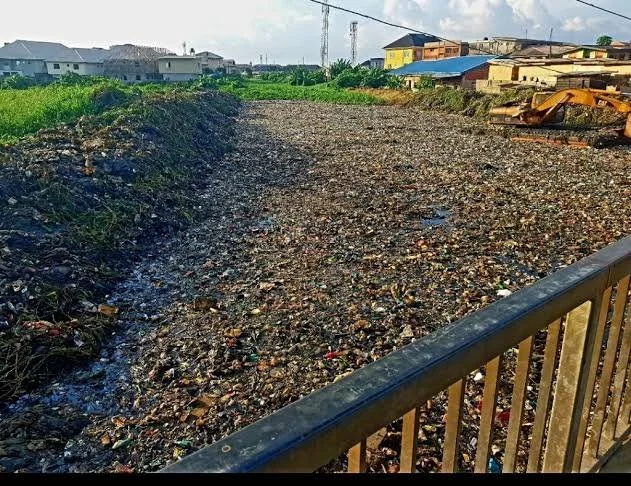
Residents in Apapa and Mushin say irregular refuse collection, blocked drainage channels
Residents in parts of Lagos have called for more reliable waste collection services, improved drainage infrastructure and stricter enforcement of sanitation regulations, warning that poor waste management is worsening environmental conditions and increasing flood risks in residential and commercial areas.
The concerns emerged during the October environmental sanitation exercise, when residents in Apapa, Mushin and Ogba highlighted persistent problems including irregular refuse evacuation, rising waste collection charges, inadequate disposal facilities and blocked drainage channels.
/ You Might Also Like /




In Apapa, residents said they contributed money towards cleaning their surroundings but continued to experience delays in refuse collection. Some also complained about the limited availability of public waste bins around bus stops and commercial areas, where commuters frequently dispose of waste indiscriminately.
The concerns point to a wider challenge for Lagos: community participation alone cannot maintain environmental cleanliness without consistent waste evacuation, accessible disposal facilities and functional drainage infrastructure.
Irregular Waste Collection Leaves Communities Struggling
Residents along Apapa Road said they organised regular cleaning activities but faced difficulties securing timely refuse evacuation.
One resident, Yagazierem Igwe, said occupants of her building contributed monthly towards maintaining their surroundings. Traders in a nearby market also funded sanitation activities before starting business each month.
However, she raised concerns about increasing waste collection charges and delays in evacuation, which have left refuse accumulating in the area. She also said she had not seen Lagos State Waste Management Authority (LAWMA) Private Sector Participation operators in her neighbourhood for more than two years.
Other residents described relying on private arrangements, including engaging cart pushers when regular waste collection services failed to arrive.
In Mushin, residents similarly identified irregular refuse evacuation and inadequate disposal facilities as major problems. Some collection points fill up quickly, encouraging people to dump waste on roadsides and around residential buildings.
The complaints highlight the importance of consistent service delivery by waste management operators, particularly in densely populated communities where inadequate collection capacity can quickly create environmental and public health problems.
Blocked Drainage Channels Raise Flooding Concerns
Poor drainage maintenance emerged as another major concern among residents.
In Apapa, a resident, Roseline Ogbuagu, said she spent more than two hours clearing a blocked drainage channel outside her compound. She blamed indiscriminate disposal of plastic cups and other refuse for obstructing water flow.
She also alleged that construction activities had obstructed an earlier drainage passage, worsening the blockage and increasing the risk of flooding.
Residents in Mushin called for government intervention to improve drainage channels and sewage systems, warning that inadequate infrastructure and indiscriminate waste disposal could worsen flooding during periods of heavy rainfall.
The concerns extend beyond environmental cleanliness. Blocked drains can expose homes, businesses and roads to floodwater, potentially damaging buildings, disrupting commercial activities and increasing maintenance costs for property owners.
Residents Call for Better Disposal Facilities and Enforcement
Residents also identified inadequate public waste bins and insufficient collection points as factors contributing to indiscriminate dumping.
In Apapa, some residents called for more public bins around bus stops and other busy locations to give commuters accessible options for disposing of refuse.
In Mushin, residents urged the government to provide larger waste containers at commercial junctions and ensure that collection points receive regular evacuation. They also called for the reconstruction and widening of major drainage channels to improve water flow.
The complaints suggest that sanitation enforcement needs to work alongside improvements in waste collection infrastructure. Warning residents against indiscriminate dumping may have limited impact where households and businesses lack accessible and dependable disposal services.
Lagos Sanitation Efforts Face Implementation Challenges
The October exercise recorded varying levels of participation across the communities visited. Some residents reported regular weekly cleaning activities, while others said participation remained inconsistent.
The state government has continued its monthly environmental sanitation programme, which resumed in March 2026. During the October exercise, the Lagos Head of Service, Bode Agoro, warned residents against dumping refuse into canals and drainage channels, saying the practice undermines sanitation efforts and worsens flooding risks.
The government also indicated that affected canals would be cleared and that plans were underway to reconstruct one of the drainage channels in consultation with relevant authorities.
However, the recurring complaints from residents point to the need for more sustained interventions beyond monthly clean-up exercises. Regular refuse evacuation, effective monitoring of private waste operators, adequate disposal facilities and maintenance of drainage infrastructure will remain essential to improving environmental conditions.
Waste Management Has Direct Implications for Property Values and Urban Development
The condition of neighbourhood sanitation infrastructure affects the quality and attractiveness of residential and commercial properties.
Persistent refuse accumulation, blocked drains, unpleasant odours and recurring flooding can make communities less desirable places to live and operate businesses. These conditions can also increase property maintenance costs, expose buildings to environmental damage and affect the long-term value of real estate.
For property developers and investors, reliable waste collection and functional drainage systems are important components of neighbourhood infrastructure. Areas with inadequate sanitation services may face additional development and maintenance challenges, particularly where flooding threatens buildings and access roads.
Lagos therefore faces a challenge that extends beyond encouraging residents to keep their surroundings clean. Improving urban environmental conditions will require more dependable waste management services, stronger local government coordination and sustained investment in drainage and sanitation infrastructure.
READ MORE