NMDPRA identifies gas processing, storage and distribution as priorities for petroleum infrastructure investment
Nigeria requires an estimated $30 billion in new investment by 2030 to expand its petroleum infrastructure, improve domestic energy supply and strengthen energy security, the Nigerian Midstream and Downstream Petroleum Regulatory Authority (NMDPRA) has said.
/ You Might Also Like /




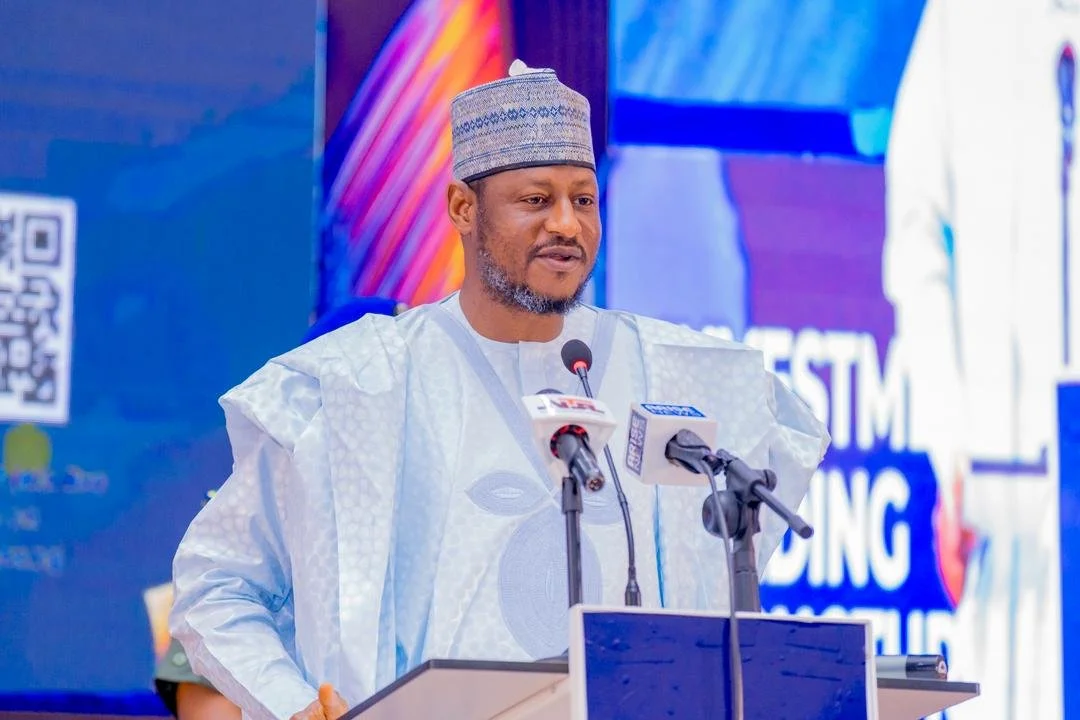
The authority's Chief Executive, Rabiu Abubakar Umar, disclosed the investment requirement on Thursday, 26 November 2026, at the 2026 Business Intelligence Africa (TBI Africa) Summit in Lagos. Represented by Victor Ojiakor, Deputy Director of Distribution, Storage Systems and Retailing Infrastructure, Umar said the funding would support critical infrastructure across Nigeria's midstream and downstream petroleum sectors.
The proposed investment would target gas processing, petroleum storage, transportation networks and distribution facilities. These areas remain important to improving the movement of petroleum products, expanding domestic gas utilisation and connecting available energy resources to households, businesses and industrial consumers.
NMDPRA Targets 30–45 Days of Strategic Petroleum Reserves
Alongside the investment requirement, the NMDPRA is developing a National Strategic Petroleum Stock Programme to protect Nigeria against disruptions in domestic and international petroleum supply.
Umar said the programme would initially cover selected petroleum depots before expanding to other locations nationwide. It aims to establish strategic stock sufficiency of between 30 and 45 days, providing a reserve buffer during supply interruptions.
The initiative is intended to reduce the country's exposure to international market disruptions, including geopolitical conflicts and other events that could affect petroleum availability.
Strategic reserves allow a country to maintain product supply when imports, transportation or other parts of the petroleum supply chain experience interruptions. For Nigeria, expanding storage capacity and improving the distribution of reserves would form an important part of strengthening domestic energy security.
Infrastructure Gaps Continue to Restrict Investment
Industry participants at the summit identified infrastructure limitations and commercial uncertainties as significant obstacles to attracting long-term investment into Nigeria's petroleum industry.
Sarah Eugene, Business Research Analyst at International Energy Services Ltd., said the country's oil and gas resources alone would not guarantee investment. She highlighted commercial viability, dependable buyers, adequate infrastructure and reliable payment arrangements as important considerations for investors.
Eugene also identified unreliable pipelines and evacuation facilities as risks that could undermine project delivery and expected returns. She called for a coordinated infrastructure development programme to improve gas transportation to power plants, manufacturing facilities and other industrial consumers.
Olufemi Rufai, General Manager of Commercial at Falcon Corporation Ltd., also identified inadequate gas transportation and distribution infrastructure as a constraint on industrial expansion.
He explained that expanding major transmission pipelines would not fully address the problem if smaller distribution networks could not connect industrial clusters and businesses to available gas supplies.
This distinction highlights the need for investment beyond major pipeline projects. Gas distribution infrastructure must also reach factories, commercial establishments and other end-users before increased production can translate into wider industrial activity.
Nigeria Expands Investment in Gas Infrastructure
The $30 billion requirement comes as Nigeria pursues several initiatives to address infrastructure shortages and attract private capital into the gas sector.
In March 2026, the NMDPRA sought World Bank support to address an estimated $22 billion gas infrastructure gap. The proposed investment areas included gas supply facilities, processing plants and pipeline networks.
In September 2026, the Midstream and Downstream Gas Infrastructure Fund (MDGIF) disclosed that it had leveraged ₦671 billion in public funds to attract ₦1.6 trillion in private investment across 31 gas infrastructure projects involving 205 assets.
The projects are expected to deliver approximately 475 million standard cubic feet of gas daily to the domestic market when fully operational.
Nigeria has also expanded its compressed natural gas infrastructure. In November 2026, the Federal Government disclosed that the country had 106 operational CNG refuelling stations, supported by $2.6 billion in private-sector investment. Another 170 stations were at different stages of development or awaiting regulatory approvals.
These initiatives reflect efforts to expand domestic gas supply, improve access to alternative fuels and support industrial and transportation demand. However, the projects must progress from investment commitments and development stages to operational infrastructure before their full economic benefits become available.
Financing and Commercial Viability Remain Critical
Mobilising $30 billion within the next four years will require substantial participation from private investors, financial institutions and other funding partners.
The concerns raised by industry participants at the summit indicate that access to capital alone may not resolve the sector's infrastructure challenges. Investors also need dependable demand, commercially viable projects, effective payment arrangements and regulatory certainty.
For gas infrastructure in particular, investment must cover the entire supply chain, from processing and transmission to distribution and connections with end-users. Without these complementary facilities, additional gas production may not translate into reliable supplies for manufacturers, power producers and households.
The NMDPRA's investment estimate therefore places infrastructure development at the centre of Nigeria's energy security plans ahead of 2030. The extent to which the country attracts the required capital, completes priority projects and expands strategic reserves will determine how effectively its petroleum resources support domestic energy supply and industrial growth.
READ MORE