Trade, agriculture and manufacturing support Katsina's expanding economy
Katsina State's Gross Domestic Product (GDP) increased by 11.53 per cent in nominal terms to ₦10.13 trillion in 2025, from ₦9.08 trillion in 2024, as trade, agriculture, manufacturing and information and communication activities expanded across the state.
/ You Might Also Like /




The latest figures appear in the Katsina State Gross Domestic Product Report 2024–2025, compiled by the National Bureau of Statistics (NBS) in collaboration with the Katsina State Bureau of Statistics and the World Bank. The report shows that the state's nominal economic output has grown consistently, rising from ₦8.26 trillion in 2023 to ₦9.08 trillion in 2024 before reaching ₦10.13 trillion in 2025.
The increase represents an additional ₦1.05 trillion in nominal economic output over the 2024 figure. However, the reported 11.53 per cent growth reflects expansion at current prices and does not, on its own, establish how much the state's real economic output increased after accounting for inflation.
Trade Remains Katsina's Largest Economic Activity
Trade accounted for 29.29 per cent of Katsina's Gross Value Added (GVA) in 2025, making it the largest single economic activity in the state.
Its nominal value increased to ₦2.95 trillion in 2025, from ₦2.74 trillion in 2024, reflecting the continued importance of commercial activities to the state's economy.
The services sector, which includes trade and several other activities, contributed 53.60 per cent of total GVA. Its share highlights the importance of commerce and service-related businesses in Katsina's economic structure.
The scale of trade activity also points to the importance of distribution networks, transport infrastructure, market facilities and access to finance in supporting businesses across the state.
Agriculture Contributes ₦2.41 Trillion to State Economy
Agriculture remained a major contributor to Katsina's economy, accounting for 23.88 per cent of GVA in 2025, compared with 23.71 per cent in 2024.
The sector's nominal value rose by 12.31 per cent to ₦2.41 trillion, from ₦2.14 trillion in the previous year.
Crop production accounted for 64.02 per cent of agricultural value added, maintaining its position as the dominant activity within the sector. Livestock also made a substantial contribution, with its value reaching ₦753.73 billion in 2025.
The figures reflect the importance of farming and livestock production to Katsina's economic base. They also highlight opportunities to expand agricultural processing, storage, transportation and other activities that can increase the value of locally produced commodities.
Strengthening these supporting industries could help the state retain more value within its economy while creating opportunities for businesses operating across agricultural supply chains.
Manufacturing Expands by 15.17%
Manufacturing recorded a 15.17 per cent nominal increase in 2025, with its value rising from ₦1.49 trillion in 2024 to ₦1.72 trillion.
The sector's contribution to Katsina's GVA also increased from 16.48 per cent to 17.02 per cent.
Food and beverages, textiles, apparel and footwear emerged as the major contributors to manufacturing activity. Their performance highlights the relationship between agricultural production and industrial development, particularly through the processing of locally available raw materials.
Expanding manufacturing capacity could provide opportunities for investment in processing facilities, industrial estates, logistics and supporting infrastructure. However, sustaining growth will depend on factors such as reliable electricity, access to finance, transport networks and consistent supplies of raw materials.
Information and Communication Records Fastest Growth
Information and communication recorded the fastest growth among the major sectors highlighted in the report, expanding by 21.81 per cent to ₦958.35 billion in 2025, from ₦786.76 billion in 2024.
Its contribution to the state's GVA increased to 9.50 per cent, reflecting the growing role of telecommunications and other information-related activities in Katsina's economy.
Public administration also expanded by 17.02 per cent, with its value added reaching ₦588.61 billion in 2025. Professional, scientific and technical services recorded a value of ₦124.17 billion.
The expansion of information and communication activities could support wider business participation, digital services and access to markets, particularly as more enterprises adopt technology for commercial operations.
Katsina Government Highlights Investment and Economic Diversification
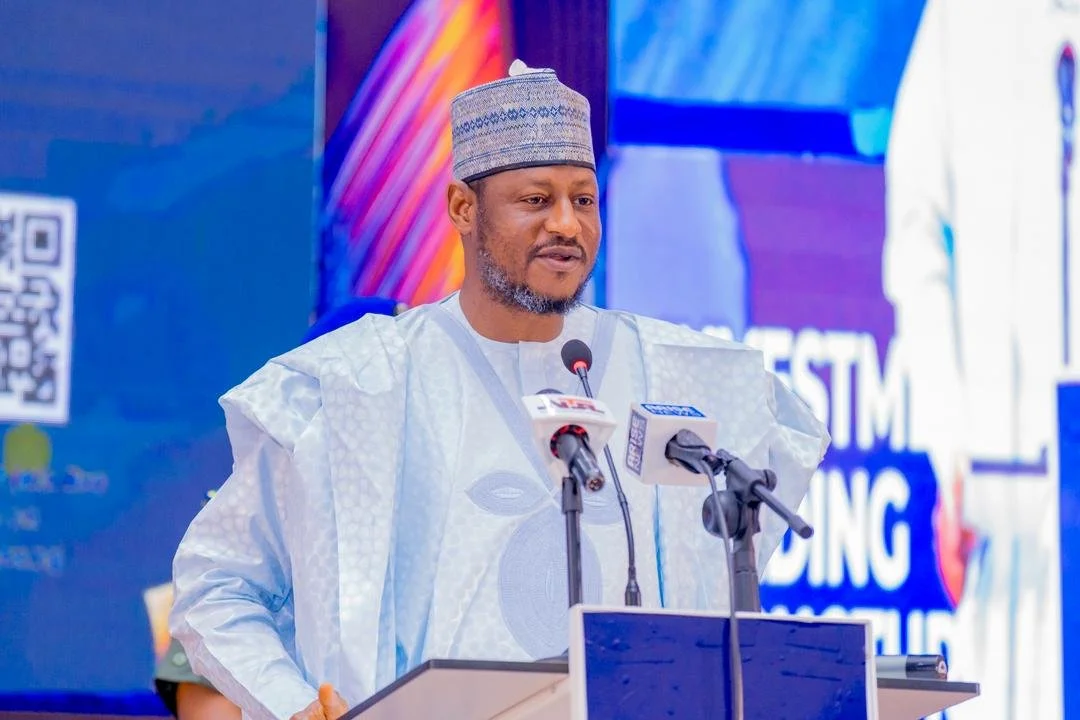
Reacting to the report, Governor Dikko Radda described the performance as encouraging and reaffirmed his administration's commitment to sustaining economic transformation.
Radda said his government had prioritised agricultural development, support for micro, small and medium-sized enterprises (MSMEs), infrastructure expansion, human capital development and improvements in public-sector performance.
He also acknowledged the need to address structural constraints affecting productivity, investment, employment generation and the competitiveness of local businesses.
The state's Statistician-General, Professor Saifullahi Sani, described the GDP report as an important addition to Katsina's statistical infrastructure. He said the estimates would support economic monitoring, sectoral planning, resource allocation and investment decisions.
The report provides a statistical basis for identifying sectors with growth potential and assessing changes in the state's economic structure. However, translating the increase in nominal output into improved living standards will depend on whether businesses expand production, create jobs and generate higher household incomes.
Katsina's 2025 GDP performance highlights the growing contribution of trade, agriculture, manufacturing and services to its economy. Sustaining that expansion will require investment in productive infrastructure, stronger agricultural value chains and an environment that enables businesses to operate and grow. The extent to which these developments translate into higher real output, employment and household purchasing power will remain important measures of the state's economic progress.
READ MORE