Urban Planning Crisis Threatens Nigeria’s Cities, Foundation Warns
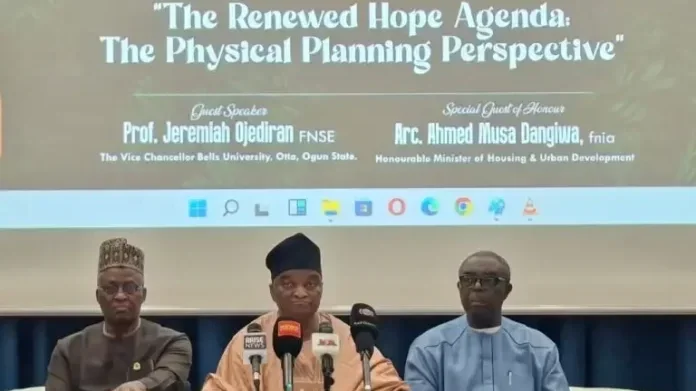
Poor Planning Puts Nigeria’s Urban Development at Risk
A growing urban planning crisis is threatening the sustainability of Nigeria’s cities, with a leading foundation warning that weak regulatory frameworks, rapid population growth, and inadequate infrastructure are undermining long-term urban development. The concerns highlight systemic gaps in planning and governance across major urban centres.
/ You Might Also Like /

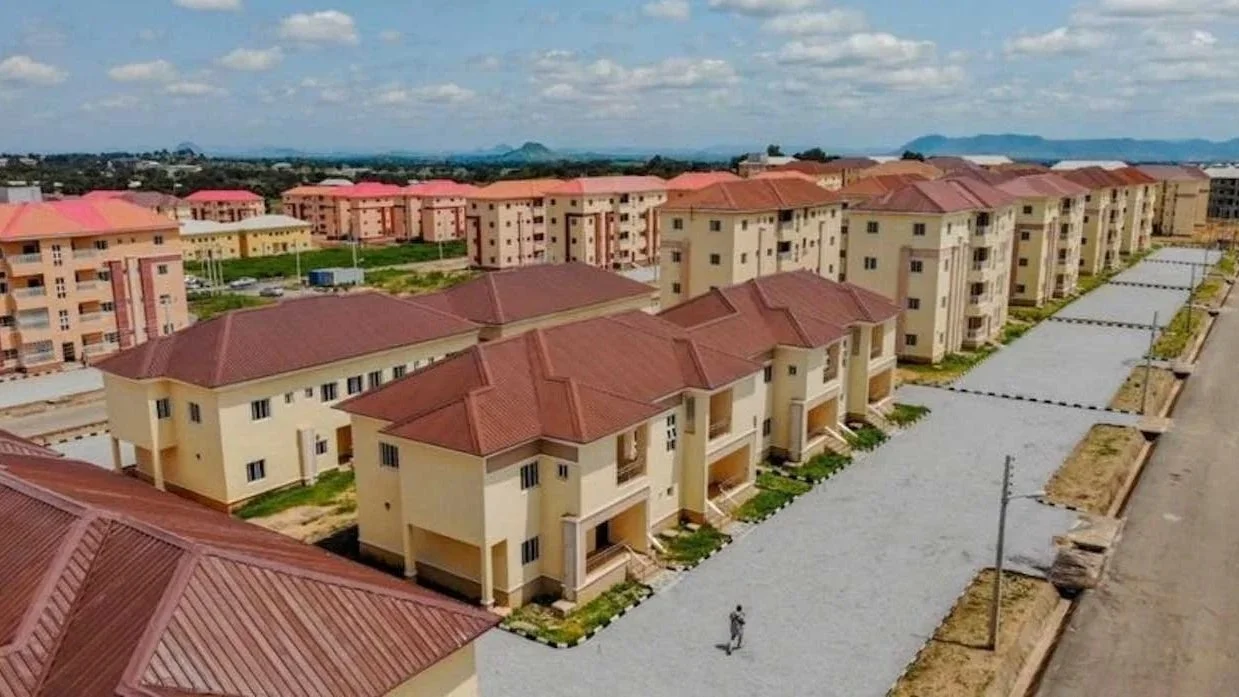

Nigeria’s urban population continues to expand at one of the fastest rates globally, placing increasing pressure on city infrastructure and housing systems. However, this growth has not been matched by effective urban planning and regulatory enforcement. As a result, many cities are experiencing uncoordinated expansion, characterised by informal settlements, inadequate road networks, and overstretched public services.
The foundation’s warning underscores the structural imbalance between urbanisation and planning capacity. While cities such as Lagos, Abuja, and Port Harcourt continue to attract economic activity and population inflows, the absence of comprehensive planning frameworks is leading to inefficient land use and declining liveability.
Key Drivers of the Urban Planning Crisis
Experts identified several factors contributing to the crisis, including weak enforcement of planning regulations, limited institutional capacity, and fragmented governance structures.
In many cases, development occurs without adherence to approved layouts or zoning requirements, resulting in congestion, environmental degradation, and increased vulnerability to flooding and other urban risks.
The lack of reliable data and coordinated planning systems further complicates efforts to manage urban growth effectively.
Infrastructure Deficit and Service Gaps
Nigeria’s infrastructure deficit remains a central challenge. Rapid urban expansion has outpaced the provision of essential services such as roads, drainage systems, water supply, and waste management.
This mismatch has led to declining service quality and increased pressure on existing infrastructure, particularly in high-density urban areas.
The foundation noted that without significant investment and planning reform, these deficits will continue to worsen as urban populations grow.
Implications for Housing and Real Estate
The urban planning crisis has direct implications for Nigeria’s housing market. Poorly planned cities often experience inefficient land use, which limits the availability of serviced land for housing development.
This constraint contributes to rising property prices and reduced affordability, particularly in major urban centres.
For developers and investors, planning uncertainties increase project risks, affecting timelines, costs, and overall investment viability.
Call for Policy Reform and Institutional Strengthening
The foundation called for urgent reforms to strengthen urban planning systems across Nigeria. Key recommendations include improved enforcement of planning regulations, adoption of data-driven planning tools, and enhanced coordination between federal, state, and local authorities.
Investment in infrastructure and capacity building for planning institutions was also identified as critical to addressing the crisis.
Broader Economic and Social Impact
Urban planning failures have far-reaching economic and social consequences. Inefficient cities reduce productivity, increase the cost of living, and limit economic opportunities.
Additionally, unplanned urban growth can exacerbate inequality, as low-income populations are often pushed into informal settlements with limited access to services.
The warning on Nigeria’s urban planning crisis highlights a critical challenge for the country’s development trajectory. Addressing these issues will require coordinated policy action, institutional reform, and sustained investment in infrastructure.
Without decisive intervention, the gap between urban growth and planning capacity will continue to widen, undermining the sustainability and competitiveness of Nigeria’s cities.
READ MORE