Lagos Tops State Debt Rankings as Nigeria’s Subnational Debt Reaches ₦4.36tn
Lagos Dominates Nigeria’s Subnational Debt Profile with ₦1.04tn
Nigeria’s subnational debt stock rose to ₦4.36 trillion in 2025, reflecting increased borrowing by state governments and the Federal Capital Territory (FCT) amid ongoing fiscal pressures. Lagos State remains the most indebted subnational entity, with a debt profile exceeding ₦1.04 trillion, accounting for a significant share of total obligations.
According to data from the Debt Management Office (DMO), the increase represents a modest rise from approximately ₦3.96 trillion recorded earlier in the year, underscoring sustained reliance on debt financing at the state level.
/ You Might Also Like /




Lagos Dominates Subnational Debt Landscape
Lagos State’s debt position significantly outweighs that of other states, reflecting its role as Nigeria’s commercial and financial hub. With a debt stock of about ₦1.04 trillion, Lagos alone accounts for roughly a quarter of total subnational debt.
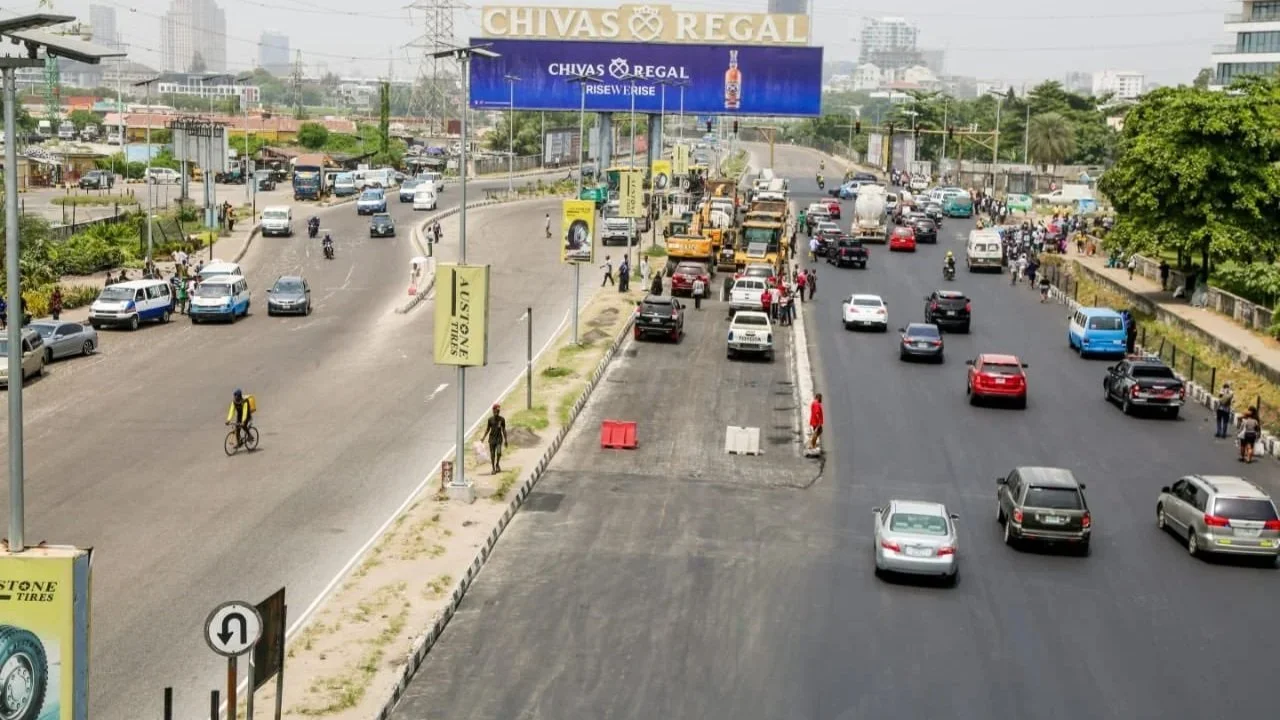
The state’s borrowing strategy is largely driven by large-scale infrastructure investments, including transportation, housing, and urban development projects aimed at supporting economic growth and population expansion.
Other high-debt states include Rivers, Delta, and Enugu, though their debt levels remain substantially lower than Lagos. This concentration highlights a structural imbalance in fiscal capacity and borrowing patterns across Nigeria’s states.
Uneven Debt Distribution Across States
Subnational debt in Nigeria remains highly concentrated among a small group of states. Data indicates that the top 10 most indebted states account for a majority share of total obligations, reflecting disparities in revenue generation and development priorities.
For instance, Lagos’ debt exceeds that of several states combined, illustrating the scale of its fiscal operations. In contrast, less economically active states maintain relatively lower debt levels, often due to limited access to financing or constrained revenue bases.
Regional variations also persist. Southern states particularly in the South-West and South-South tend to carry higher debt burdens, supported by stronger internally generated revenue (IGR) and greater access to capital markets.
Drivers of Rising Subnational Borrowing
State governments continue to rely on borrowing to finance infrastructure projects, bridge budget deficits, and support economic activity. Capital-intensive investments in roads, housing, and public services have increased funding requirements beyond available revenues.
However, revenue constraints remain a key challenge. Many states depend heavily on federal allocations, which are subject to volatility in oil revenues and macroeconomic conditions. This reliance limits fiscal flexibility and increases exposure to debt risks.
Implications for Fiscal Sustainability
While subnational debt represents a relatively small portion of Nigeria’s overall public debt—which stood at approximately ₦159.27 trillion in 2025—it carries important implications for fiscal sustainability at the state level.
High debt burdens can constrain states’ ability to fund essential services, particularly where debt servicing obligations consume a significant share of revenues. States with weaker revenue bases may face heightened refinancing risks and reduced fiscal resilience.
Analysts note that while borrowing for infrastructure can support long-term growth, effective project execution and revenue generation are critical to ensuring debt sustainability.
Policy Considerations and Reform Needs
The rising debt profile underscores the need for improved fiscal management at the subnational level. Key priorities include strengthening internally generated revenue, enhancing transparency in borrowing, and ensuring that debt-financed projects deliver measurable economic returns.
There is also a growing need for coordinated fiscal oversight between federal and state governments to maintain overall macroeconomic stability.
Outlook
Nigeria’s subnational debt trajectory reflects the dual pressures of infrastructure demand and revenue constraints. While borrowing remains a necessary tool for development, its sustainability will depend on disciplined fiscal management and improved revenue mobilisation.
For policymakers and investors, the concentration of debt in a few economically dominant states particularly Lagos highlights both opportunity and risk. Sustained investment in infrastructure can drive growth, but maintaining fiscal balance will be critical to ensuring long-term economic stability.
READ MORE