Rental Demand Surges as Development Becomes Economically Unviable
Nigeria’s residential real estate sector is currently navigating a complex "rental boom" characterized by record-high demand and surging prices. However, industry data and expert insights reveal a troubling counter-trend: a significant retreat of private investors and developers. This withdrawal is driven by a combination of hyperinflation, the volatile exchange rate, and the prohibitive cost of building materials, which have rendered many new residential projects economically unviable.
/ You Might Also Like /




The Supply-Demand Imbalance
Despite the high demand for housing in urban centers like Lagos, Abuja, and Port Harcourt, the supply of new rental stock is failing to keep pace. According to recent market reports, inflation peaked at 34.6% in late 2024, severely eroding the purchasing power of the average Nigerian. As homeownership becomes increasingly unattainable for the middle class, the rental segment has become the primary driver of real estate transactions.
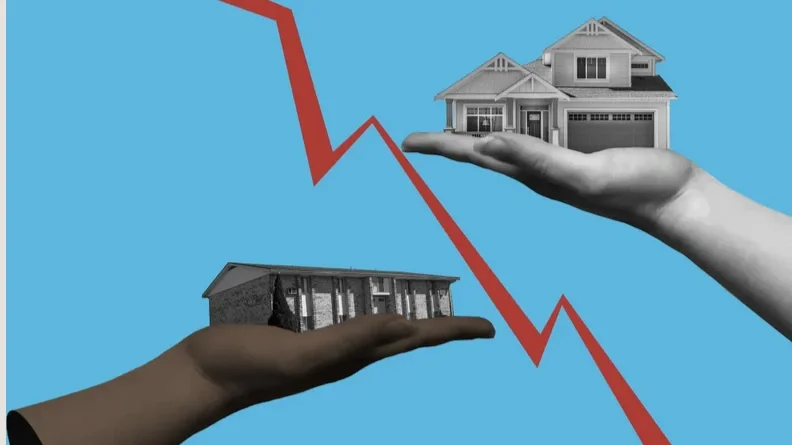
In major cities, annual rents for standard two-bedroom apartments have surged by over 50% in some areas, with some units in prime locations commanding up to ₦2.5 million per year. While this high demand typically signals a lucrative opportunity for investors, the reality on the ground is starkly different.
Rising Construction Costs Dampen Investment
The primary deterrent for investors is the "cost-push" inflation affecting building materials. The price of essential components, such as cement, steel, and finishing tiles many of which are imported has skyrocketed.
"To construct a one-bedroom flat today, a developer requires between ₦12 million and ₦15 million," noted industry experts during a recent sector review. This figure represents a dramatic increase from previous years, where the same amount could fund the construction of a twin duplex. Consequently, developers who previously targeted the mass-market or middle-income rental bracket are finding it impossible to achieve a positive Return on Investment (ROI) without setting rents at levels that the local population cannot afford.
Macroeconomic Headwinds and Financing Challenges
The Central Bank of Nigeria’s (CBN) monetary policy has also played a role in the investor retreat. High interest rates have made construction loans and mortgages both expensive and scarce. For developers, the cost of capital now often exceeds the projected rental yields, leading to a surge in abandoned or uncompleted housing projects.
Furthermore, the Real Estate Services sector, while remaining a significant contributor to Nigeria's GDP (accounting for approximately 5.20% in early 2024), has seen a decline in Foreign Direct Investment (FDI). International institutional capital is increasingly cautious, opting for "brownfield" developments (renovations) or commercial acquisitions over new "greenfield" residential projects due to the high risk associated with currency fluctuations.
A Narrowing Focus on Luxury
As the middle-market and affordable housing segments struggle, investment capital is increasingly skewed toward the luxury segment. This niche remains resilient because its target demographic is less sensitive to inflationary pressures and more capable of meeting the high rental demands required to offset construction costs. However, this shift leaves a massive gap in the "structured mass housing" segment, further deepening the national housing deficit, which is estimated to be over 20 million units.
Conclusion and Forward Outlook
The Nigerian rental market is at a pivotal juncture. While the demand for housing remains a fundamental driver of the economy, the current cost structure of the construction industry is unsustainable for many private players.
Industry analysts suggest that without targeted government intervention such as the enforcement of e-invoicing to stabilize material costs, the provision of low-interest construction finance, and the expansion of the "Renewed Hope Cities" agenda the rental market will continue to see a supply contraction. For 2025 and 2026, the sector’s growth will likely depend on the success of public-private partnerships (PPPs) and the ability of developers to adopt innovative, cost-saving building technologies to bridge the affordability gap.
READ MORE