Nigeria’s Solar Capacity Reaches 300MW, Says REA
Renewable Energy Gains Momentum as Nigeria’s Solar Capacity Hits 300MW
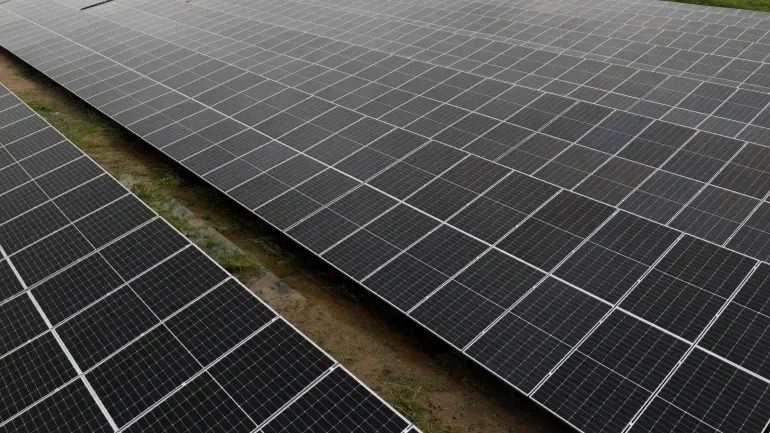
Nigeria’s solar power capacity has reached 300 megawatts (MW), according to the Rural Electrification Agency, marking a significant milestone in the country’s renewable energy expansion. The development reflects ongoing efforts to improve electricity access, particularly in underserved and off-grid communities.
/ You Might Also Like /



Expansion of Solar Infrastructure
The REA confirmed that the 300MW capacity has been achieved through a combination of mini-grid deployments, solar home systems, and commercial-scale installations. These projects form part of a broader strategy to diversify Nigeria’s energy mix and reduce reliance on the national grid, which continues to face capacity and distribution challenges.
The agency has prioritised decentralised energy solutions, especially in rural and peri-urban areas where grid extension remains economically unviable. Solar mini-grids, in particular, have emerged as a scalable solution for powering households, small businesses, and public institutions.
Policy Framework and Institutional Support
The expansion aligns with Nigeria’s national electrification strategy and renewable energy targets. According to the Rural Electrification Agency, ongoing programmes such as the Nigeria Electrification Project (NEP) have played a central role in financing and deploying solar infrastructure.
The NEP, supported by international development partners, focuses on increasing access to reliable electricity through private sector-led investments. This model has attracted independent power providers and solar developers, contributing to capacity growth.
Government policy has also emphasised regulatory support and incentives to encourage renewable energy adoption. These include tariff frameworks for mini-grids and import duty waivers on solar components.
Implications for Housing and Urban Development
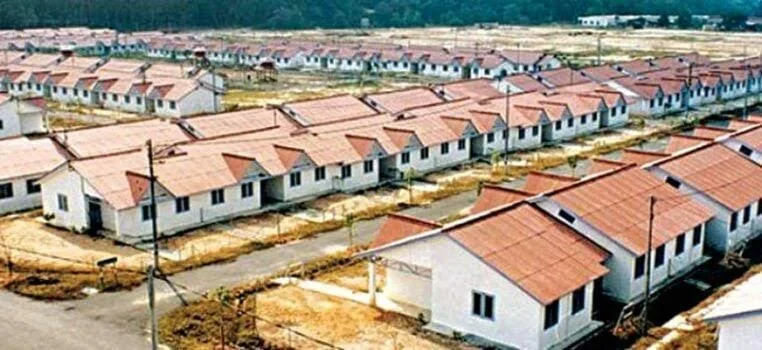
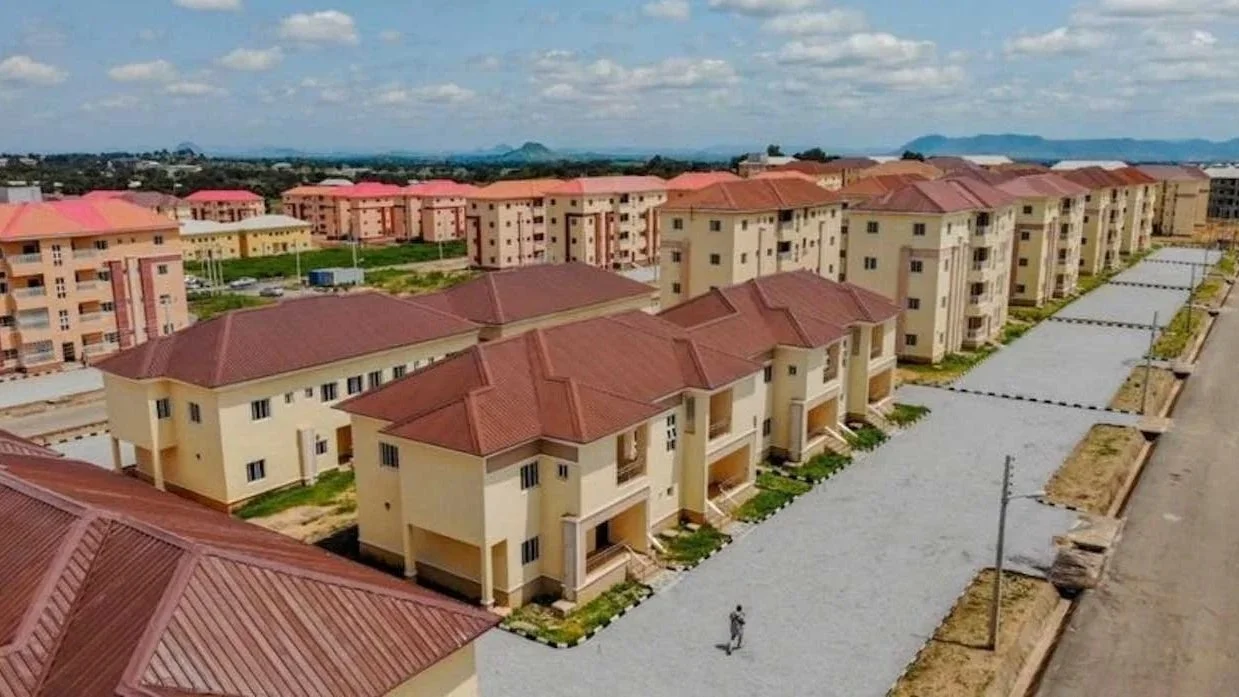
The increase in solar capacity carries direct implications for housing delivery and urban development. Access to reliable electricity remains a critical constraint in Nigeria’s housing sector, particularly in emerging urban clusters and informal settlements.
Decentralised solar solutions enable developers to integrate off-grid power systems into residential projects, reducing dependence on diesel generators and lowering long-term energy costs. This approach supports the development of more sustainable and affordable housing models.
For policymakers, scaling solar infrastructure provides an opportunity to align housing expansion with energy access, particularly in new town developments and government-led housing schemes.
Economic and Investment Outlook
The growth in solar capacity strengthens Nigeria’s renewable energy investment case. With rising demand for electricity and persistent grid limitations, off-grid and embedded generation solutions present significant opportunities for investors.
However, challenges remain. Industry stakeholders continue to highlight issues such as foreign exchange constraints, cost of capital, and regulatory bottlenecks. Addressing these barriers will be essential to sustaining momentum and achieving higher capacity targets.
Nigeria’s achievement of 300MW in solar capacity marks a meaningful step in the country’s transition toward a more diversified and resilient energy system. The progress underscores the role of decentralised renewable solutions in addressing electricity access gaps and supporting economic development.
Sustained policy support, improved financing mechanisms, and stronger private sector participation will determine the pace of future growth, particularly as demand for reliable and sustainable power continues to rise.
READ MORE