Nigeria Repatriates Over 700 Stranded Citizens from Niger Republic
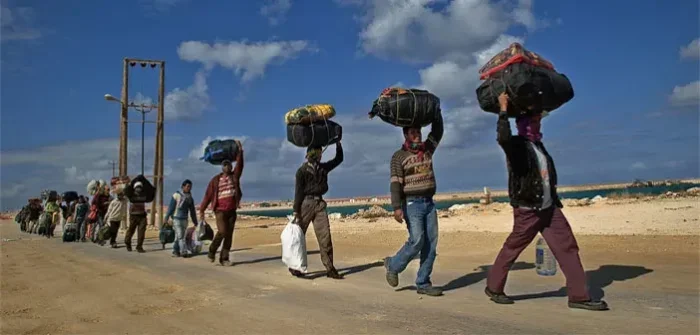
FG Repatriates Stranded Nigerians as Migration Pressures Persist
Nigeria has repatriated over 700 stranded citizens from Niger Republic in a coordinated evacuation effort led by the Federal Government. The returnees, numbering 708, arrived in Kano and are currently undergoing profiling and receiving humanitarian support, according to officials from the National Emergency Management Agency (NEMA).
Coordinated Evacuation and Arrival in Kano
The evacuation was facilitated through inter-agency collaboration involving the Ministry of Foreign Affairs and NEMA. The returnees arrived at the Malam Aminu Kano International Airport in 12 buses at approximately 4:08 p.m., marking one of the largest recent repatriation exercises from Niger Republic.
The group comprises individuals from multiple states, including Kano, Katsina, Borno, Kaduna, and Kogi, with a significant proportion identified as women and children.
Upon arrival, authorities commenced profiling procedures to document identities and coordinate onward transportation to their respective states.
/ You Might Also Like /




Humanitarian Support and Reintegration Measures
Government agencies, supported by humanitarian organisations, are providing immediate assistance to the returnees. This includes temporary shelter, food, medical care, and essential supplies such as blankets, mosquito nets, and hygiene kits.
Medical teams are also on ground to treat vulnerable individuals, with critical cases referred to appropriate health facilities. Officials confirmed that returnees would be transported back to their home states after completion of profiling.
These interventions form part of broader reintegration efforts aimed at supporting displaced citizens and reducing the risks associated with irregular migration.
Migration Risks and Returnee Experiences
Testimonies from returnees highlight the risks associated with migration routes across West and North Africa. Some individuals reported exposure to violence, displacement, and loss of property while in Niger Republic.
One returnee recounted fleeing after attacks on Nigerian communities, while others described economic hardship and unstable living conditions that forced them to abandon their migration plans.
These accounts underscore the vulnerability of migrants navigating informal routes in search of better economic opportunities.
Rising Trend in Irregular Migration
The latest repatriation reflects a broader trend of increasing migration from Nigeria, driven by economic pressures and limited domestic opportunities. According to the International Organization for Migration, more than 60,300 Nigerian migrants have been returned home since 2017 under assisted voluntary return programmes.
Survey data indicates that migration intentions are rising, with over half of Nigerians considering relocating abroad, compared to significantly lower levels in previous years.
This trend highlights structural challenges within the domestic economy, including unemployment, income constraints, and limited access to opportunities.
Policy Implications and Regional Context
The continued evacuation of stranded Nigerians underscores the need for comprehensive migration management policies. While repatriation efforts provide immediate relief, long-term solutions require addressing the root causes of migration, including job creation, economic stability, and social protection.
Strengthening bilateral cooperation with transit countries such as Niger Republic will also be critical to improving migrant safety and managing cross-border movements.
The repatriation of over 700 Nigerians from Niger Republic highlights both the effectiveness of emergency response mechanisms and the persistent challenges driving migration. While the government’s intervention ensures safe return and initial support, sustainable progress will depend on addressing the economic and structural factors that continue to push Nigerians to seek opportunities abroad.
READ MORE