Rising Property Values Push Real Estate and Construction to ₦77.52tn
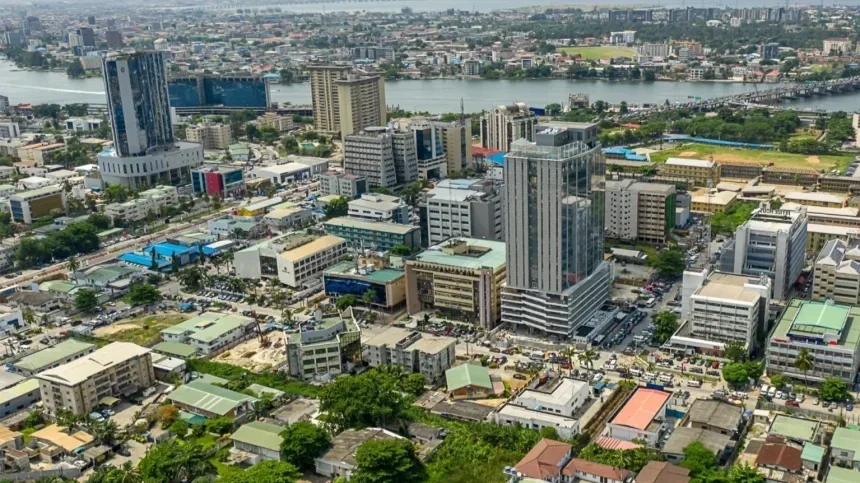
Nigeria’s real estate and construction sectors recorded a combined nominal value of ₦77.52 trillion in 2025, underscoring their growing importance to the national economy despite weaker real growth performance. The figures reflect strong monetary expansion across both sectors, driven by rising property values, infrastructure investments and urbanisation. However, industry stakeholders caution that inflationary pressures and affordability constraints continue to limit the pace of actual output growth.
/ You Might Also Like /




According to industry data, the real estate sector accounted for ₦58.16 trillion of the total value in 2025, while the construction sector contributed ₦19.36 trillion. Together, the sectors represented one of the largest components of Nigeria’s non-oil economy and reinforced their role as key drivers of investment, employment and infrastructure development.
Real Estate Leads Growth in Nominal Terms
The real estate sector posted the strongest nominal expansion, growing by more than 40% year-on-year from ₦41.27 trillion in 2024 to ₦58.16 trillion in 2025. The increase reflects sustained demand for residential and commercial property, rising construction costs and continued investment from both domestic and diaspora investors.
Industry stakeholders attribute the sector’s growth to rapid urbanisation, population expansion and persistent demand for housing across major cities such as Lagos, Abuja and Port Harcourt. Nigeria’s housing deficit, estimated in the millions of units, continues to drive long-term demand for residential development despite affordability challenges facing many households.
However, while nominal values increased significantly, real estate’s inflation-adjusted growth slowed to 3.78% in 2025, down from 6.59% in the previous year. This suggests that rising property prices and construction costs contributed substantially to the sector’s expansion, while actual increases in housing supply and productivity remained relatively modest.
Construction Sector Benefits From Infrastructure Investment
The construction industry also recorded solid performance, with nominal output rising from ₦16.29 trillion in 2024 to ₦19.36 trillion in 2025. Growth was supported by ongoing public and private sector investments in roads, bridges, housing developments and other critical infrastructure projects.
Unlike the real estate sector, construction recorded stronger real growth of 5.53% in 2025, compared with 4.16% in 2024. This indicates that infrastructure activity expanded in both value and physical output, despite rising material costs and macroeconomic challenges.
Industry analysts note that infrastructure demand remains one of the strongest drivers of construction activity, particularly as governments seek to address transport, housing and urban development deficits across the country. Continued investment in strategic infrastructure projects is expected to support future growth within the sector.
Affordability and Housing Delivery Remain Key Challenges
Despite impressive headline figures, stakeholders argue that significant structural challenges continue to affect the property market. Rising inflation, high interest rates, exchange-rate volatility and increasing construction costs have pushed housing prices beyond the reach of many Nigerians.
The disparity between nominal growth and real growth highlights a broader concern within the housing sector: increased financial activity does not necessarily translate into a proportional increase in completed housing units. Industry experts have repeatedly warned that Nigeria’s housing deficit will persist unless developers can deliver more affordable homes at scale.
Access to mortgage financing also remains limited, restricting homeownership opportunities and slowing demand in key segments of the housing market. Stakeholders continue to advocate policy reforms that would improve financing access, reduce development costs and accelerate housing delivery.
Implications for Investors and Developers
For investors, the strong nominal performance of the real estate and construction sectors signals continued confidence in Nigeria’s property market despite economic headwinds. Population growth, urban migration and infrastructure expansion continue to create long-term opportunities across residential, commercial and industrial real estate segments.
Developers, however, face a more complex operating environment. Rising costs for land, building materials and financing have compressed margins and increased project risks. As a result, many firms are exploring alternative construction technologies, innovative financing structures and mixed-use developments to remain competitive.
Industry observers believe future growth will increasingly depend on the sector’s ability to improve affordability while maintaining profitability and project viability.
Outlook
Nigeria’s real estate and construction sectors demonstrated resilience in 2025, reaching a combined value of ₦77.52 trillion and reinforcing their importance to economic growth and urban development. However, slower real growth figures reveal persistent structural constraints that continue to affect housing delivery and infrastructure expansion.
As policymakers, developers and investors seek to unlock the full potential of the built environment, improving housing affordability, expanding access to finance and accelerating infrastructure delivery will remain central to sustaining growth. The sector’s long-term outlook remains positive, but translating financial growth into tangible housing and infrastructure outcomes will be the key challenge in the years ahead.
READ MORE