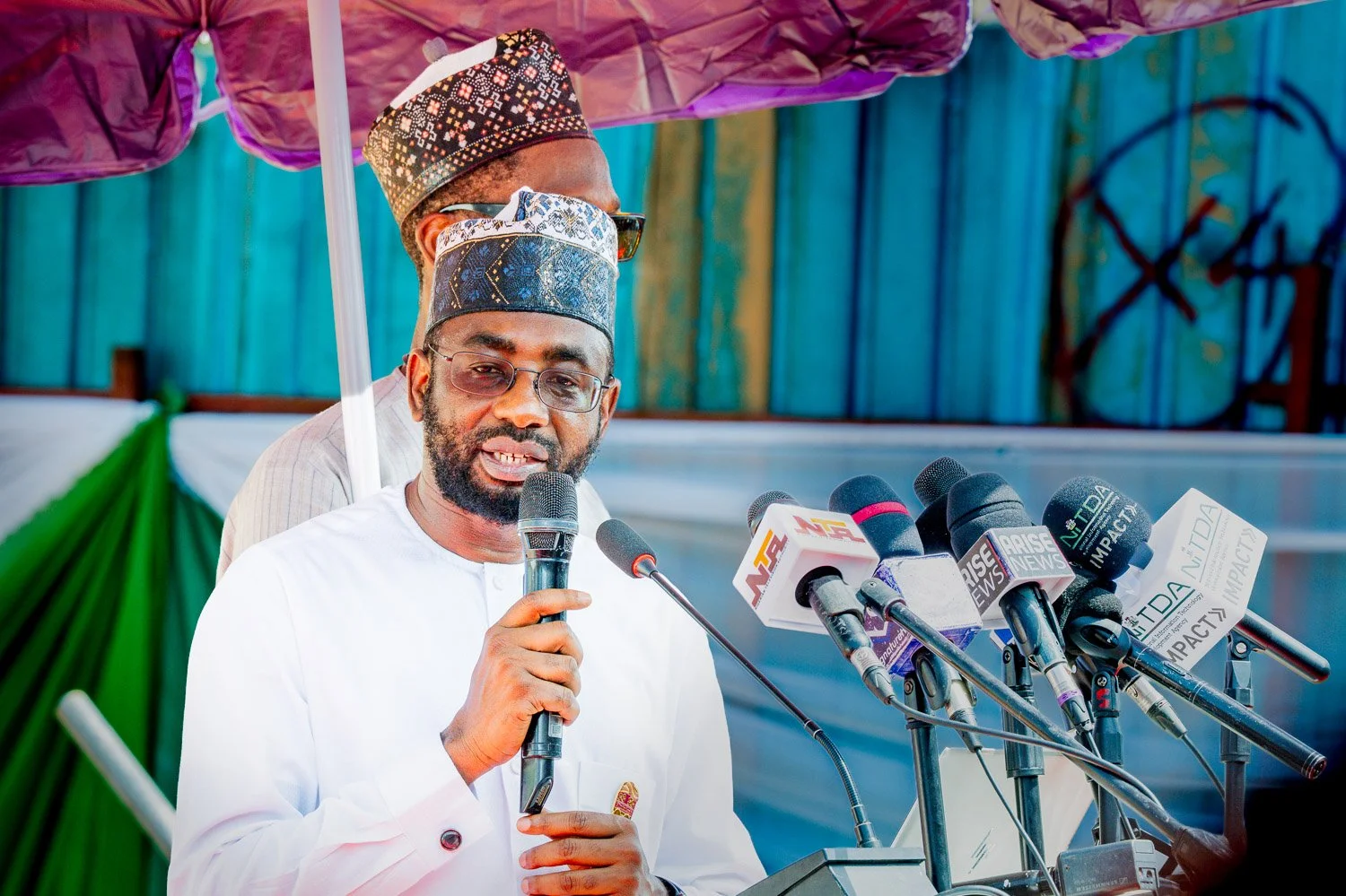
Kofoworola Owode, managing director and chief executive of Haggai Mortgage Bank
Nigeria needs faster land administration, wider adoption of mortgage foreclosure laws and stronger long-term funding to expand access to housing finance, Kofoworola Owode, managing director and chief executive of Haggai Mortgage Bank Limited, has said
/ You Might Also Like /




Owode identified the slow processing of land titles, the requirement for governors’ consent under the Land Use Act and delays in recovering mortgaged properties as structural barriers that raise lending risks and constrain the growth of mortgage finance.
In an interview with BusinessDay published on 26 October 2026, she called for nationwide adoption of the Model Mortgage Foreclosure Law, digitisation of land administration and stronger liquidity through the Nigerian Mortgage Refinance Company (NMRC).
Her recommendations highlight a central challenge for Nigeria’s housing market: expanding mortgage lending requires not only more funding, but also a legal and administrative system that enables lenders to assess property, register security interests and manage defaults efficiently.
Land Administration and Foreclosure Delays Constrain Lending
Owode said complex land-title procedures and slow foreclosure processes increase transaction costs and lender risk, discouraging the expansion of mortgage finance.
She advocated reform of the Land Use Act 1978 and the digitisation of land records and consent processes through a nationwide electronic geographic information system.
She also called for wider adoption of the Model Mortgage Foreclosure Law, noting that only four states had enacted the law at the time of the interview.
A more consistent legal framework could help lenders assess and manage collateral risk across different jurisdictions. However, the impact would depend on effective implementation, safeguards for borrowers and improvements in the wider land-registration system.
For property buyers and developers, more efficient title administration could reduce delays and uncertainty in property transactions. For mortgage institutions, clearer records and more predictable enforcement procedures could support lending decisions.
High Interest Rates and Limited Long-Term Funding Restrict Mortgages
Owode identified the shortage of long-term funding as another major constraint. Mortgage loans typically run for many years, while financial institutions often depend on deposits with shorter maturities. This mismatch limits their ability to offer long-term loans at affordable rates.
High interest rates and rising construction costs further weaken borrowers’ purchasing power. Informal employment also makes it harder for lenders to verify income and assess creditworthiness, excluding many potential borrowers from conventional mortgage products.
She said refinancing arrangements through the NMRC could help mortgage banks recycle funds and increase their lending capacity.
However, greater liquidity alone will not make homeownership affordable if borrowing costs remain high or if property prices exceed household incomes. Expanding mortgage access will require improvements in funding, risk assessment, housing supply and the affordability of monthly repayments.
Digital Systems Could Improve Access to Housing Finance
Owode said digital banking platforms can help mortgage institutions lower operating costs, improve loan-processing times and reach customers beyond their physical branch networks.
She also called for mortgage products that reflect the needs of a wider range of borrowers, including people working in the informal economy, as well as individuals and organisations seeking construction or development finance.
These changes could widen access, but digital onboarding must be supported by reliable income verification, appropriate credit assessment and products that borrowers can realistically repay.
The sector also needs stronger governance and asset-quality management to maintain confidence among depositors, investors and refinancing partners.
Women’s Leadership and Mortgage Sector Resilience
Owode also argued that women’s growing representation in mortgage banking leadership reflects a wider shift towards more inclusive governance and institutional development.
She said women increasingly contribute to strategic decision-making, risk management, digital innovation and customer-focused financial services. Owode is the first woman to serve as managing director and chief executive of Haggai Mortgage Bank since its establishment.
She also cited the bank’s asset base of more than ₦23 billion and profit before tax exceeding ₦1.8 billion in 2025 as evidence of its growth. These are figures disclosed by the bank’s chief executive and have not been independently verified for this report.
Her comments add a leadership dimension to the discussion, although the wider question for the industry is how mortgage institutions can strengthen governance and financial resilience while extending credit to more households.
Policy Implementation Will Determine Progress
The proposals point to several reforms that could help strengthen Nigeria’s mortgage market: more efficient land administration, predictable foreclosure procedures, longer-term funding and broader access to digital financial services.
For policymakers, the challenge is to translate these proposals into consistent implementation across states and institutions. For mortgage lenders, sustainable growth will depend on balancing wider access to credit with prudent lending and effective risk management.
Ultimately, a stronger mortgage system could help more Nigerians finance home purchases and construction. But meaningful progress will require reforms that address both the availability of credit and the underlying cost of housing.
READ MORE