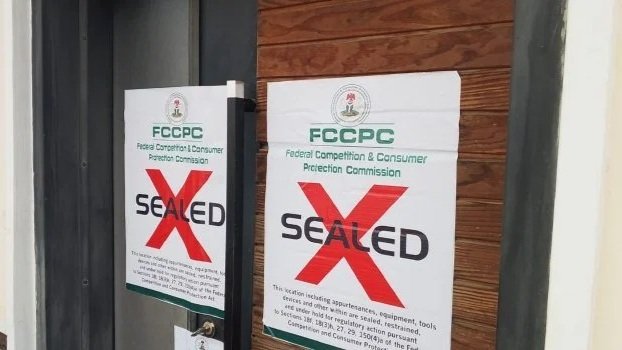
Abuja Estate Shut Down by FCCPC Amid Buyer Complaints
The Federal Competition and Consumer Protection Commission has sealed off a residential estate in Abuja over alleged housing fraud, citing failure by the developer to deliver housing units despite receiving full payments from buyers. The enforcement action follows multiple consumer complaints and non-compliance with regulatory directives.
/ You Might Also Like /




Enforcement Action and Allegations
The affected property, Paradise Estate located in Life Camp Extension, Abuja, was shut down after the commission received numerous complaints from subscribers who claimed they paid for housing units that were never delivered.
According to the FCCPC, the developer repeatedly ignored summons and failed to respond within a stipulated seven-day window, prompting regulatory intervention. The commission stated that its actions were based on consumer protection laws and aimed at addressing unfair business practices.
Developer’s Response
Representatives of the estate management contested the action, arguing that the dispute is contractual in nature and should be resolved through legal or arbitration processes. They maintained that the transactions are governed by valid contracts of sale and expressed dissatisfaction with the sealing of the property.
However, the FCCPC emphasised that it had not received any court order restraining its enforcement and reaffirmed its mandate to protect consumers from exploitative practices.
Regulatory and Market Implications
The incident highlights increasing regulatory scrutiny in Nigeria’s real estate sector, particularly in cases involving off-plan sales and delayed project delivery. For investors and homebuyers, the case underscores the importance of due diligence and regulatory compliance in property transactions.
The FCCPC reiterated its commitment to holding developers accountable and warned that similar enforcement actions could be taken against firms that violate consumer rights.
Implications for Housing Sector
Housing fraud and non-delivery of projects remain key risks within Nigeria’s property market. Such cases erode buyer confidence and constrain investment in residential development, particularly in rapidly expanding urban centres like Abuja.
Strengthening regulatory oversight and enforcing contractual obligations are critical to improving transparency and restoring trust in the housing sector.
The sealing of the Abuja estate by the FCCPC marks a significant enforcement step in addressing housing-related consumer complaints. The case reinforces the need for accountability among developers and signals a more proactive regulatory stance in Nigeria’s real estate market.
Going forward, consistent enforcement and stronger legal frameworks will be essential to protect buyers and support sustainable growth in the housing sector.
READ MORE