42% of Nigerians Say Bank Loan Interest Rates Are Too High - CBN Survey
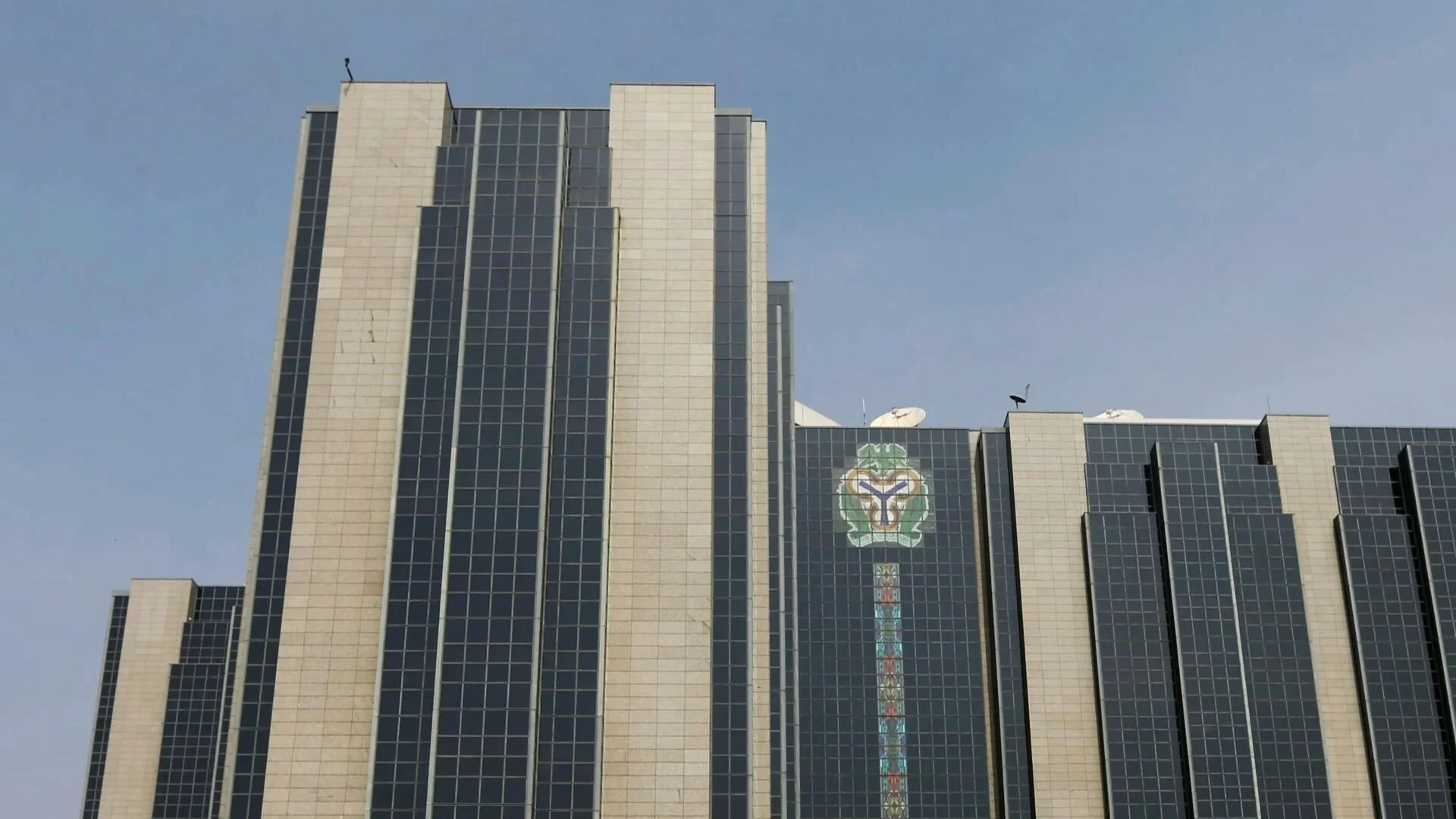
Consumer Survey Highlights Pressure from High Lending Rates in Nigeria
A new survey by the Central Bank of Nigeria shows that 42.7 percent of Nigerians perceive bank loan interest rates as high, underscoring growing financial pressure on households and businesses. The findings, based on the February 2026 Consumer Expectations Survey, highlight the widening gap between macroeconomic optimism and individual financial realities.
Rising Concern Over Borrowing Costs
The survey reveals that a significant portion of respondents experienced elevated lending rates over the past three months, reflecting tighter financial conditions across the banking sector.
In addition, 63 percent of respondents expressed a preference for lower interest rates, signalling strong demand for more affordable credit.
This trend aligns with broader monetary conditions, as Nigeria has maintained a tight policy stance to combat inflation, which has translated into higher borrowing costs for consumers and businesses.
/ You Might Also Like /




Divergence Between Economic Optimism and Household Reality
Despite concerns about loan costs, the survey indicates that overall consumer sentiment remains positive. The Consumer Sentiment Index stood at 0.8 points in February 2026, marking the fourth consecutive month of optimism.
However, this optimism contrasts sharply with household financial conditions. The Family Financial Situation Index recorded -9.1 points, indicating widespread pessimism about personal finances.
This divergence suggests that while macroeconomic indicators may be improving, the benefits have yet to fully translate to individual households.
Inflation and Price Pressures Amplify Financial Strain
The survey also highlights persistent concerns about rising prices. The Consumer Sentiment Index on price changes dropped to -9.9 points, indicating that respondents perceive prices as high.
Meanwhile, the index for average prices of goods increased to 23.7 points, reinforcing the view that inflationary pressures remain elevated.
These dynamics compound the impact of high interest rates, as households face both rising living costs and expensive borrowing conditions.
Implications for Credit Access and Economic Activity
High lending rates have direct implications for credit access, particularly for small businesses and low-income households. Elevated borrowing costs can reduce loan demand, limit business expansion, and slow consumer spending.
Analysts note that sustained high rates may constrain private sector growth, especially in sectors reliant on credit financing such as manufacturing, real estate, and small enterprises.
At the same time, banks face increased risk, as higher interest rates can lead to rising default rates and tighter lending standards.
Policy Context and Outlook
The CBN’s tight monetary stance reflects its priority to control inflation and stabilise the economy. However, the survey results highlight the trade-offs between price stability and credit accessibility.
Policymakers face a balancing act: maintaining high rates to anchor inflation expectations while ensuring that borrowing costs do not excessively constrain economic activity.
Future monetary policy decisions will likely consider both inflation trends and consumer sentiment indicators such as those captured in the survey.
The finding that 42 percent of Nigerians view bank loan interest rates as high underscores the ongoing pressure within the country’s credit market. While macroeconomic conditions show signs of improvement, household financial stress remains a critical concern.
Addressing this imbalance will require careful policy calibration to ensure that inflation control efforts do not undermine access to credit and broader economic growth.
READ MORE