Nigeria Courts Global Investors with Infrastructure Push in London

Infrastructure Gap Takes Centre Stage as Nigeria Woos Global Investors
Nigeria has intensified efforts to attract global capital into its infrastructure sector, presenting the country as a high-growth investment destination at a major investment forum in London. The pitch, led by senior government and market stakeholders, emphasised the need for long-term financing to bridge Nigeria’s infrastructure gap and unlock economic potential.
Strategic Push for Infrastructure Capital
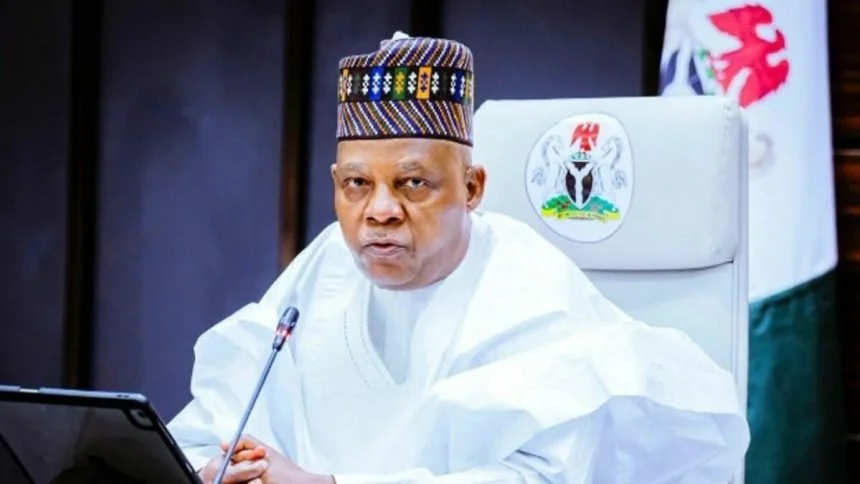
At the Nigeria Infrastructure Investment Forum held at the headquarters of Standard Bank International in London, the Chairman of Nigerian Exchange Group, Umaru Kwairanga, outlined Nigeria’s investment case to global investors.
He highlighted the country’s strong fundamentals, including a large population, expanding consumer market, and significant natural resources. According to him, these factors position Nigeria as a compelling destination for infrastructure investment, particularly in transport, energy, and urban development.
The forum brought together policymakers, financial institutions, and institutional investors, signalling a coordinated effort to mobilise international capital for large-scale projects.
/ You Might Also Like /



Bridging Nigeria’s Infrastructure Gap
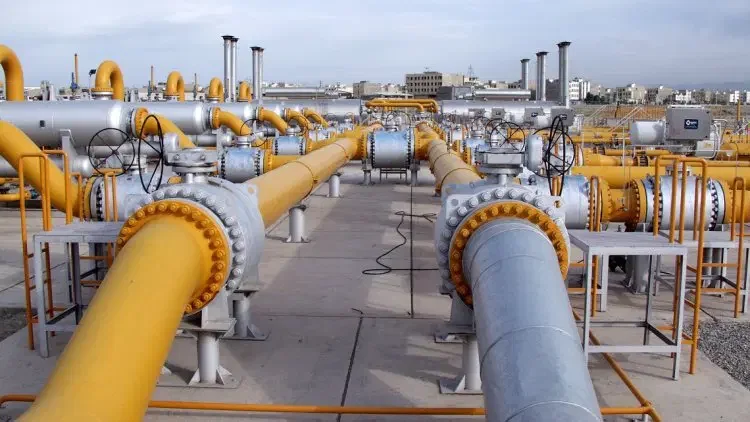
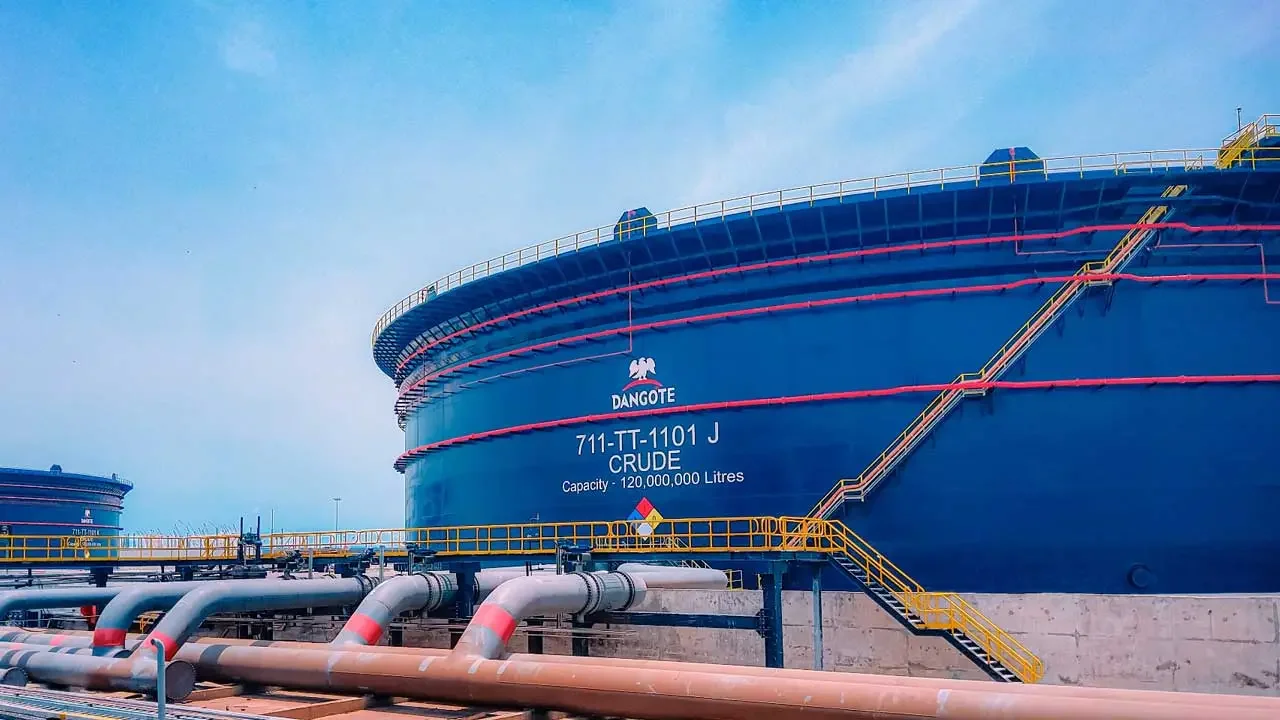
Nigeria faces a substantial infrastructure deficit that continues to constrain economic growth and productivity. The government has increasingly turned to private capital and public-private partnerships to close this gap.
A key vehicle in this strategy is Infrastructure Corporation of Nigeria, established to mobilise long-term funding for critical infrastructure projects. The institution aims to raise up to ₦15 trillion in blended capital, reflecting the scale of financing required to meet national infrastructure needs.
Officials at the forum stressed that unlocking this capital will require not only funding but also improved project structuring, risk management, and regulatory clarity.
Investment Case: Growth Potential and Returns
Nigeria’s pitch to global investors centres on its growth potential and the opportunity to generate competitive returns. Infrastructure investments in emerging markets often offer higher yields compared to developed economies, particularly in sectors with strong demand fundamentals.
Kwairanga noted that Nigeria’s combination of human capital and resource endowment creates a favourable environment for long-term investments.
In addition, ongoing economic reforms aimed at improving transparency, stabilising the foreign exchange market, and strengthening financial systems are expected to enhance investor confidence.
Role of Capital Markets and Institutional Investors
The Nigerian Exchange Group emphasised the role of capital markets in mobilising infrastructure financing. Deepening domestic capital markets and integrating them with global financial systems remain critical to attracting institutional investors such as pension funds and sovereign wealth funds.
By positioning infrastructure as an investable asset class, Nigeria aims to channel both domestic and foreign capital into projects that can deliver stable, long-term returns.
Policy Alignment and Reform Imperatives
Stakeholders at the forum acknowledged that attracting sustained investment will depend on consistent policy implementation and regulatory certainty. Investors require clear frameworks, enforceable contracts, and predictable returns to commit capital at scale.
The government’s broader reform agenda including fiscal adjustments and market liberalisation is designed to address these concerns and create a more investment-friendly environment.
Nigeria’s engagement with global investors in London reflects a strategic shift toward mobilising private capital to address infrastructure deficits. By presenting a structured investment case backed by reforms and institutional frameworks, the country is positioning itself to attract long-term funding.
The success of this initiative will depend on execution particularly the ability to deliver bankable projects, maintain policy consistency, and align public and private sector interests to drive sustainable infrastructure development.
READ MORE