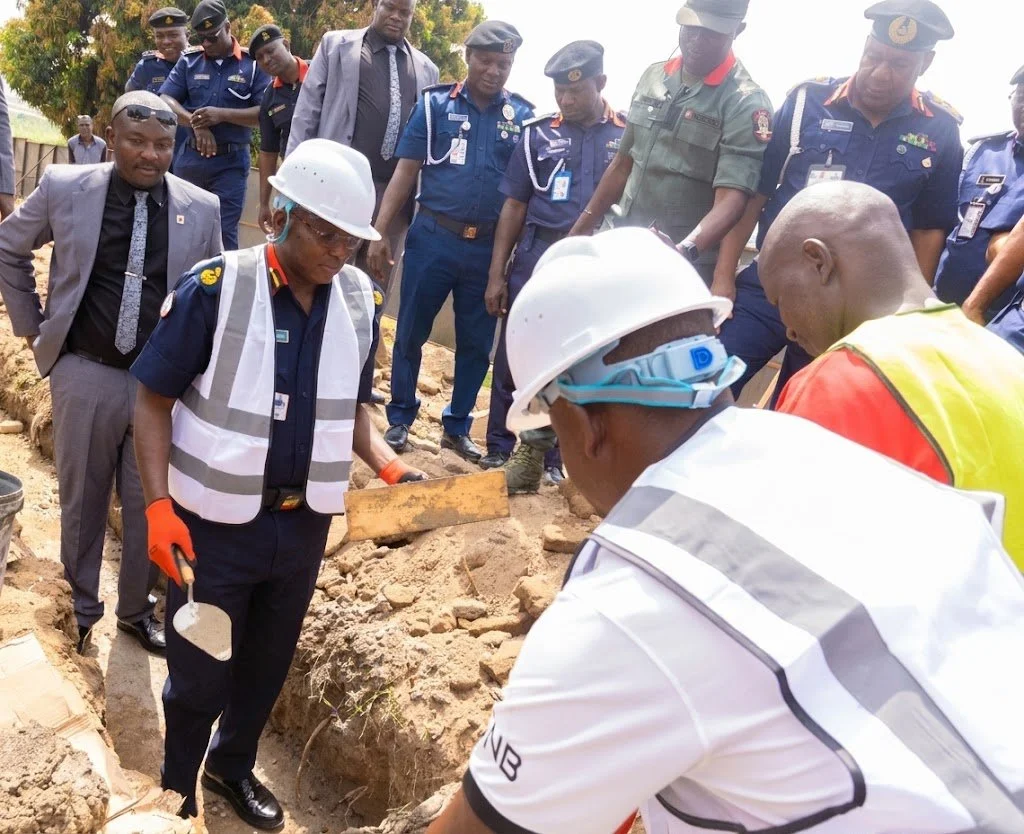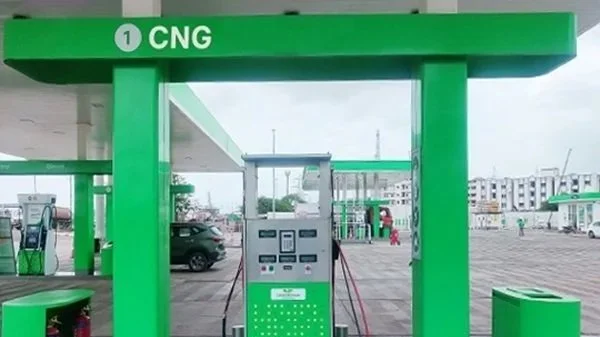
Lagos State plans to expand its compressed natural gas infrastructure with five additional stations in November
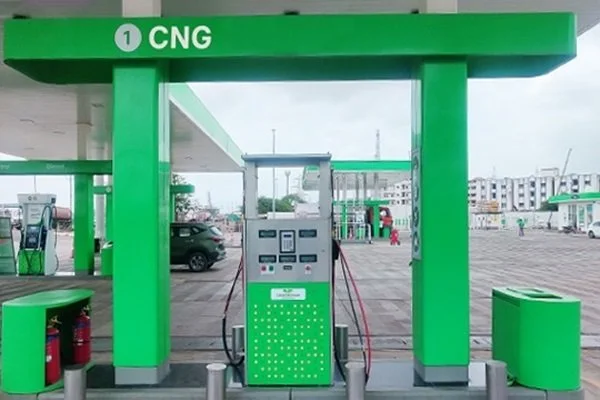
Lagos State plans to commission five additional compressed natural gas (CNG) refuelling stations in November as it expands alternative-fuel infrastructure and targets a network of 29 stations by the first quarter of 2028.
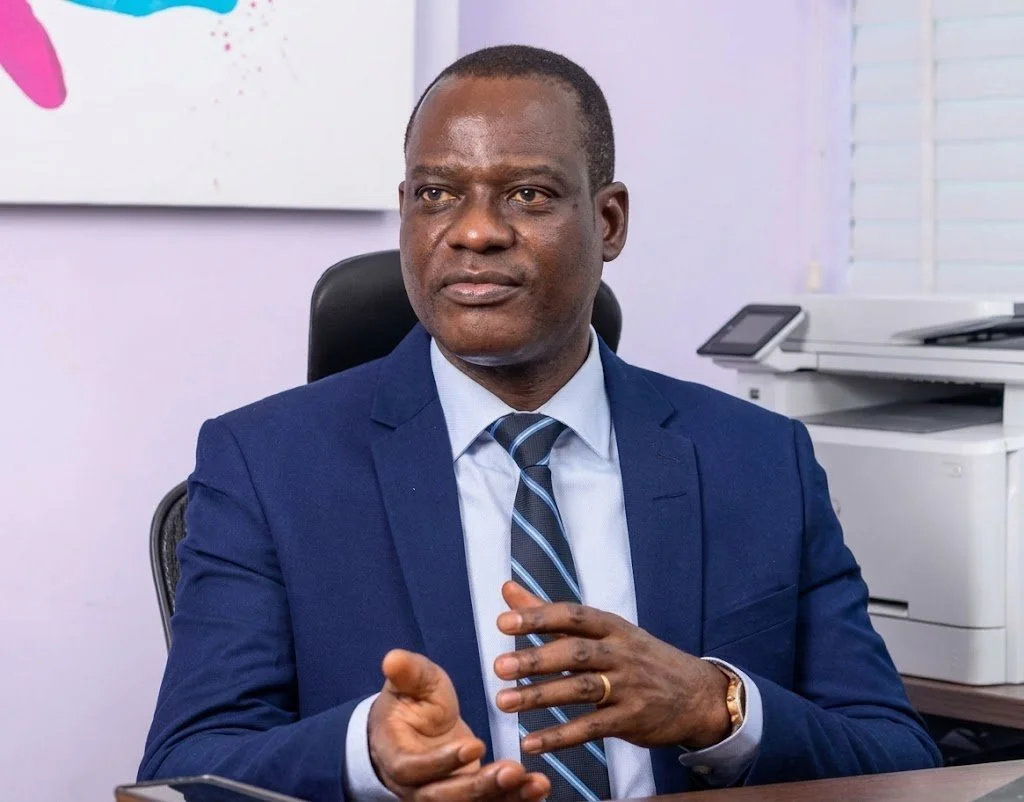
Tayo Gbajumo, Managing Director of Ibile Oil and Gas Corporation, disclosed the plan during a media briefing ahead of the 2026 Lagos Energy Summit, scheduled for November 10 to 12.
/ You Might Also Like /




The expansion aims to improve access to CNG for motorists and transport operators, many of whom have turned to the fuel as an alternative to petrol amid elevated fuel costs. However, limited refuelling infrastructure has created long queues at existing stations, restricting the convenience of switching to gas-powered vehicles.
Lagos targets 19 CNG stations by 2027
Gbajumo said the state government, through the Ministry of Energy and Mineral Resources, aims to increase the number of CNG stations to 19 by the first quarter of 2027.
He said five additional facilities were expected to be commissioned by November 12, bringing more refuelling capacity to different parts of Lagos. The government then plans to establish another 10 stations by the first quarter of 2028, taking the projected network to 29.
The expansion is intended to address the shortage of refuelling facilities, which has contributed to long waiting times for motorists at existing stations.
Lagos currently has operating CNG facilities in locations including Agege, Ojota and Oshodi. The planned additions are expected to extend access beyond the areas currently served.
CNG conversion costs between ₦700,000 and ₦1 million
The cost of converting a petrol-powered vehicle to run on CNG ranges from ₦700,000 to ₦1 million, depending on the equipment and standards used, Gbajumo said.
He added that filling a 60-kilogramme CNG tank costs approximately ₦5,000 and can provide a driving range of about 200 kilometres, depending on vehicle type and usage.
Although the lower reported refuelling cost could make CNG attractive to motorists and commercial transport operators, the upfront conversion expense remains a consideration for households and businesses weighing the switch.
Gbajumo advised motorists to use certified engineers for vehicle conversions, stressing that proper installation and equipment standards are essential to safety.
The cost and convenience benefits of CNG adoption will therefore depend not only on fuel prices but also on the availability of reliable refuelling stations, qualified conversion services and appropriate safety oversight.
Lagos pushes alternative fuels in public transport
The expansion forms part of Lagos State's wider effort to increase the use of alternative fuels in its transport system.
The Lagos Metropolitan Area Transport Authority (LAMATA) stopped accepting new diesel-powered buses into its regulated public transport system in January 2026. New buses entering the system must use CNG or electricity, while the state expects existing diesel-powered vehicles to be replaced progressively.
The policy reflects the state's attempt to reduce transport emissions and operating costs while encouraging the adoption of alternative energy sources.
However, the transition requires more than vehicle procurement. Refuelling and charging infrastructure must expand alongside the fleet to prevent supply bottlenecks and ensure that operators can maintain regular services.
Lagos Energy Summit to examine energy affordability
The announcement comes ahead of the Lagos Energy Summit, which will bring together regulators, investors, energy companies and other stakeholders from November 10 to 12.
Discussions are expected to cover electricity supply, renewable energy, metering, energy affordability and alternative mobility, including CNG and electric vehicles.
The state government says it wants to develop a more secure and efficient energy system while reducing dependence on conventional fuels.
For the property and built-environment sector, the expansion of alternative-fuel infrastructure has implications beyond transport. More accessible refuelling facilities could influence commuting costs, the operating expenses of commercial fleets and the attractiveness of locations for businesses and residential development.
However, the projected benefits will depend on whether the state delivers the planned stations on schedule and distributes them across areas where motorists and transport operators need them most.
READ MORE