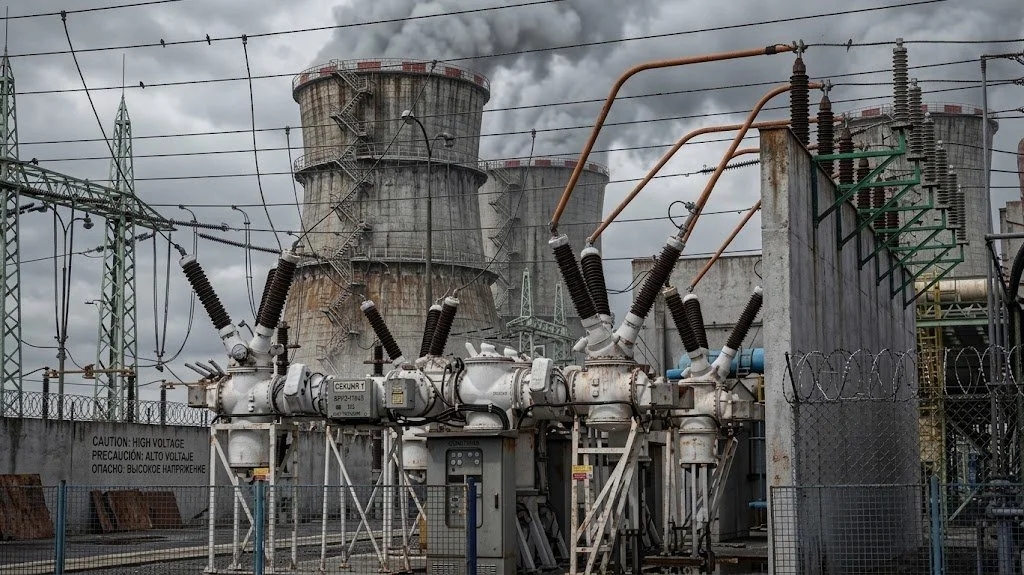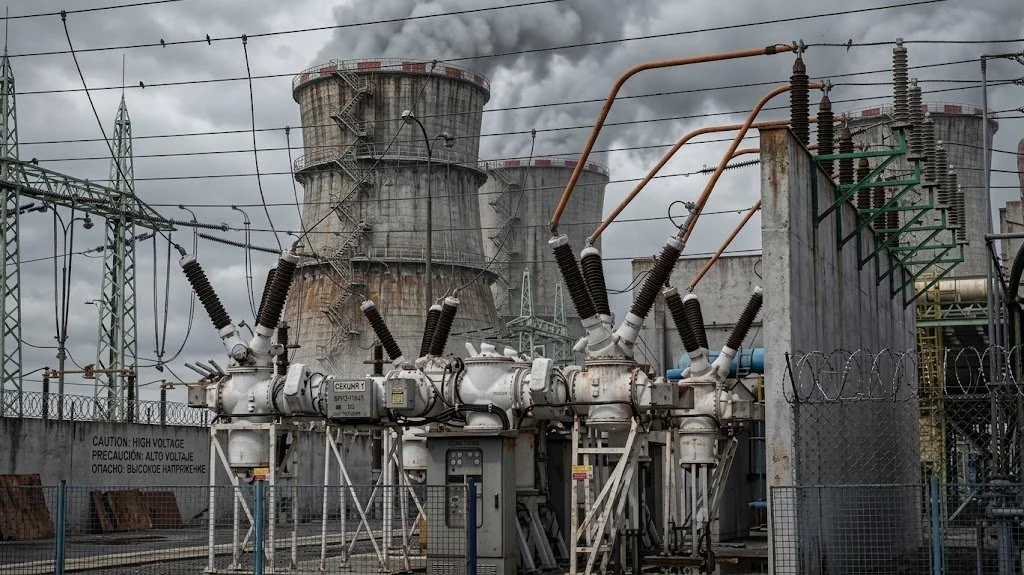
The Federal Government has linked recent electricity supply disruptions in Lagos, Abuja, Ogun, Kwara and Oyo to gas shortages
The Federal Government has attributed recent electricity supply disruptions in Lagos, Abuja, Ogun, Kwara and Oyo states to inadequate gas supplies to thermal power plants, reduced hydroelectric generation and operational challenges across the power sector.
The Ministry of Power disclosed this on Thursday, 5 November 2026, following complaints from electricity consumers over declining supply hours in areas that had recently experienced improvements in power delivery.
/ You Might Also Like /




Minister of Power, Joseph Tegbe, said preliminary assessments linked the disruptions to maintenance and operational constraints across different parts of the electricity value chain, alongside reduced gas availability and lower output from hydroelectric stations.
The government ruled out a major or systemic failure of the national grid, maintaining that the current disruptions resulted from a combination of operational and electricity generation constraints.
Gas Shortages Restrict Thermal Power Generation
Inadequate gas supplies have limited the ability of thermal power plants to generate electricity at their available capacities, contributing to the decline in power supplied to the national grid.
Nigeria relies heavily on gas-fired thermal stations for electricity generation. Consequently, interruptions in gas supply can reduce the amount of electricity available for transmission and distribution, particularly when generating plants cannot obtain sufficient fuel to operate at expected levels.
The Nigerian Independent System Operator (NISO) also identified gas supply constraints as a major factor behind the recent reduction in electricity generation.
In a separate statement, the system operator explained that limited gas availability had constrained affected thermal generating stations, reducing the volume of electricity available for allocation to distribution companies.
The resulting generation shortfall has contributed to shorter electricity supply hours and increased load shedding across distribution networks.
Lower Water Inflows Reduce Hydroelectric Output
The Federal Government also identified reduced water inflows into hydroelectric reservoirs as another factor affecting electricity generation.
Hydroelectric power stations depend on sufficient water availability to operate their turbines and generate electricity. Lower reservoir inflows can therefore reduce their output, particularly when thermal generation also faces fuel supply constraints.
NISO confirmed that reduced water inflows had affected the generation capacity of hydroelectric stations, compounding the impact of inadequate gas supplies.
The combination of these constraints has reduced the electricity available for distribution companies to supply households, businesses and public institutions.
The extent of the disruption varies across distribution networks, depending on the amount of electricity available and the allocations each company receives.
Five States Experience Reduced Electricity Supply
The Ministry of Power identified Lagos, Abuja, Ogun, Kwara and Oyo among the areas experiencing reduced electricity supply.
Tegbe acknowledged that consumers in these locations had recently enjoyed noticeable improvements in power delivery before the latest disruptions.
He said the ministry had begun engagements with the Transmission Company of Nigeria (TCN), NISO and electricity distribution companies to address the problems affecting electricity generation and delivery.
The minister directed the relevant operators to accelerate ongoing maintenance, resolve operational bottlenecks and work towards restoring normal electricity supply.
The ministry also acknowledged the inconvenience caused to households, businesses and public institutions, particularly those that depend on stable electricity for daily operations.
However, it did not announce a specific timeline for the restoration of normal supply across the affected locations.
Power Disruptions Increase Pressure on Households and Businesses
The latest electricity constraints come as households and businesses continue to face the cost of securing alternative power supplies.
Businesses that depend on electricity for production, refrigeration, equipment and daily operations often turn to generators and other independent energy systems when grid supply becomes unreliable. These alternatives increase operating expenses through fuel purchases, equipment maintenance and additional energy costs.
For manufacturers and small businesses, prolonged outages can also disrupt production schedules, reduce operating hours and affect the cost of goods and services.
Households face similar pressures as consumers spend more on petrol, diesel, inverters, batteries and solar systems to maintain access to electricity.
The situation also has implications for property markets. Residential and commercial properties with dependable alternative power infrastructure can become more attractive to occupants, while unreliable public electricity supply increases the cost of managing buildings and maintaining essential services.
Government Engages Power Operators to Restore Supply
The Ministry of Power said Tegbe was working with TCN, NISO and electricity distribution companies to address the constraints and improve electricity delivery.
The engagement covers ongoing maintenance activities, operational challenges and measures to restore normal supply across affected networks.
The government also pledged to keep consumers informed as the restoration process progresses, while appealing for public patience.
Although the ministry has ruled out a major grid failure, the latest disruptions highlight the vulnerability of electricity generation to fuel supply problems, water availability and operational limitations across the power sector.
Restoring more reliable electricity will require improvements in gas availability, effective maintenance of generating facilities and stronger coordination among the institutions responsible for generation, transmission and distribution.
Until these constraints ease, households and businesses across affected areas are likely to remain exposed to reduced electricity supply and the additional costs of alternative power sources.
READ MORE