Nigeria and IEA strengthen energy partnership
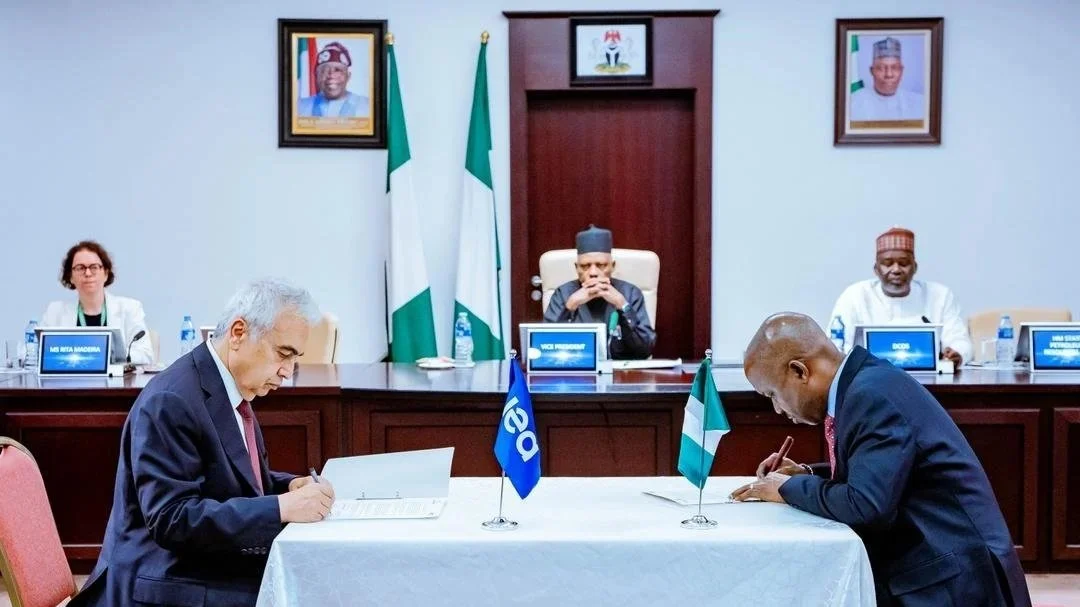
Nigeria and the International Energy Agency (IEA) have signed a Joint Work Programme aimed at improving energy data development and strengthening evidence-based policymaking and investment across Nigeria’s energy value chain.
/ You Might Also Like /




The agreement, signed in Abuja on September 3, marks the formal commencement of a deeper partnership following Nigeria’s admission as an Association Country of the IEA. The programme is expected to provide technical support and expertise in areas including energy data, gas markets, clean cooking, energy efficiency and capacity development.
Partnership Targets Better Energy Data
The new programme places energy data at the centre of efforts to improve decision-making and investment in the sector.
Minister of State for Petroleum Resources (Gas), Ekperikpe Ekpo, said the programme would involve IEA technical teams working with Nigeria to develop reliable energy data to guide decisions across the energy value chain.
Better data can provide investors, policymakers and other market participants with clearer information on the performance and potential of different segments of the energy industry.
Nigeria Gains Access to IEA Expertise
Vice President Kashim Shettima, speaking on behalf of President Bola Tinubu, described Nigeria’s admission into the IEA as a significant milestone.
He said the partnership would give Nigeria access to the agency’s institutional knowledge, technical expertise and global networks as the country seeks to maximise its oil, gas and renewable energy resources.
IEA Executive Director Fatih Birol also said the agency would provide policy advice and technical assistance covering areas ranging from clean cooking and gas markets to training for Nigerian energy professionals.
IEA Sees Scope for Higher Energy Investment
The partnership comes as the IEA sees significant potential for increased investment in Nigeria’s energy sector.
Birol said Nigeria could potentially double energy investment within five years, citing the country's large oil, gas and renewable-energy resources and its growing importance to global energy markets. He also highlighted the need for substantial capital to expand energy infrastructure and unlock available resources.
Nigeria has been seeking to attract greater investment into its energy industry after years of underinvestment and infrastructure constraints.
Implications for Energy Infrastructure
Improved energy data and stronger technical cooperation could support investment decisions across power generation, transmission, distribution, natural gas, renewable energy and related infrastructure.
For Nigeria’s property and construction markets, a more reliable energy system would also have wider implications. Electricity availability and energy costs influence the operation of residential developments, commercial buildings, manufacturing facilities and construction projects.
Improved energy infrastructure could therefore support the development and operation of property assets, although the impact will depend on whether the partnership translates into actual investment and improvements in energy supply.
Nigeria’s IEA Association Membership
The Joint Work Programme follows the IEA’s unanimous approval of Nigeria’s admission into its Association framework in July 2026.
The partnership gives Nigeria a formal platform for deeper cooperation with the Paris-based organisation across a broad range of energy technologies and policy areas.
The Energy Commission of Nigeria also noted that it had previously worked with the IEA on Nigeria’s National Energy Master Plan, although the relationship had not previously operated under a formal partnership structure.
Outlook for Energy Investment
The agreement provides Nigeria with an opportunity to strengthen the quality of information underpinning energy-sector decisions while improving access to international technical expertise.
For investors, the effectiveness of the partnership will ultimately depend on whether better data, policy support and technical cooperation translate into greater certainty, stronger infrastructure and investable projects.
With Nigeria seeking to expand oil, gas, electricity and renewable-energy investment, the new IEA partnership could become an important part of efforts to address the country's longstanding energy and infrastructure challenges.
READ MORE