Nigeria’s External Debt Rises $11.4bn Since 2023, Raising Infrastructure Financing Questions
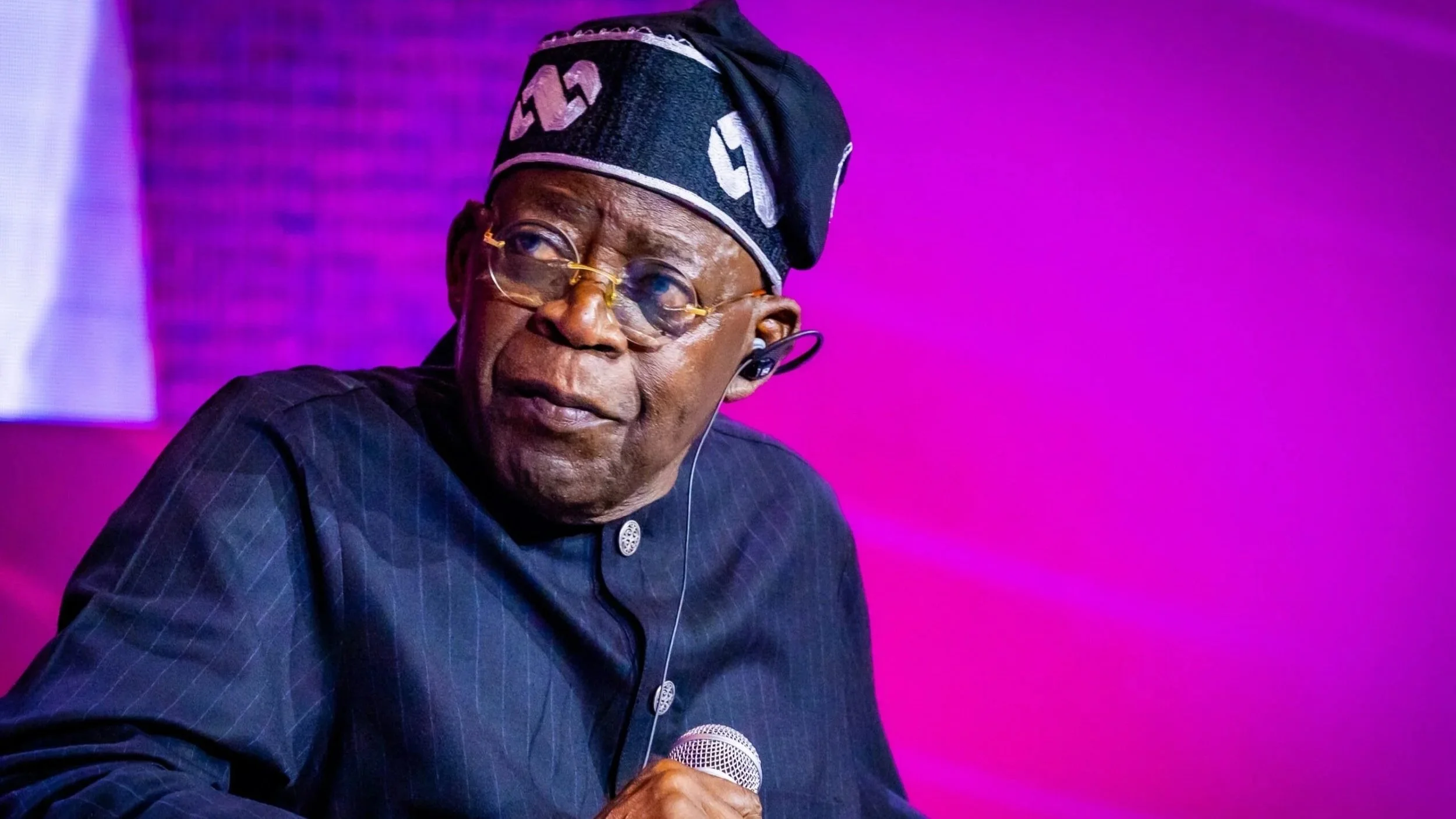
Nigeria’s external debt reaches $54.5bn
Nigeria’s external debt has risen by about $11.4 billion since 2023 to reach approximately $54.5 billion as of June 2026, reflecting increased reliance on multilateral loans, Eurobonds and other external financing.
The expansion comes as the government faces substantial funding requirements for infrastructure, power, transport, housing and other development programmes. The latest debt position therefore raises a broader question for the property and infrastructure sectors: how effectively can additional borrowing translate into productive assets that support economic growth and housing delivery?
/ You Might Also Like /




The Debt Management Office (DMO) reported external debt of $54.52 billion as of June 30, 2026, within total public debt of $120.93 billion.
External Borrowing Has Expanded Since 2023
Nigeria's external borrowing has increased significantly since the beginning of the current administration, with the debt stock moving from roughly $43.1 billion in June 2023 to about $54.5 billion by June 2026.
The increase has come through several channels rather than a single borrowing programme. Multilateral financing, particularly from the World Bank, has accounted for a substantial portion, while commercial borrowing through Eurobonds and syndicated facilities has also increased the country's external obligations.
By June 2026, World Bank Group exposure stood at approximately $20.73 billion, accounting for about 38 per cent of Nigeria's $54.52 billion external debt. Multilateral creditors collectively accounted for $24.76 billion, while commercial creditors accounted for $23.16 billion.
This composition is significant because different forms of borrowing carry different costs, maturities and repayment structures.
World Bank Financing Remains a Major Component
World Bank financing has supported programmes covering areas such as economic reforms, social protection, education, human capital and climate resilience.
The government is also pursuing additional World Bank financing, including a proposed $1.5 billion package covering social protection, human capital development and climate-resilience interventions.
For infrastructure and housing, the significance extends beyond loans explicitly labelled for construction. Investments in electricity, transport, water, climate resilience and urban infrastructure can improve the conditions required for residential and commercial development.
However, the development impact depends on whether these investments improve productive capacity and generate economic activity capable of supporting future debt obligations.
Eurobonds and Commercial Borrowing Add to the Financing Mix
Nigeria has also relied on international capital markets to raise foreign currency.
The country's Eurobond issuances have provided substantial funding but come with commercial interest costs and foreign-exchange exposure. Unlike concessional multilateral financing, commercial borrowing can place greater pressure on future fiscal resources depending on pricing and repayment structures.
For property and infrastructure investors, this distinction matters because the availability of government financing does not automatically translate into greater housing investment.
The critical issue is whether borrowed funds are channelled towards infrastructure that unlocks private investment including roads, power, water, transport networks and serviced land rather than simply increasing recurrent fiscal pressures.
Public Debt Reaches ₦166.79tn
Nigeria's total public debt stood at ₦166.79 trillion at the end of June 2026, up from ₦159.35 trillion at the end of March.
External obligations accounted for ₦75.20 trillion, or 45.09 per cent of total public debt, while domestic debt stood at ₦91.59 trillion.
The figures highlight the scale of financing available to government, but also the growing importance of debt management as more resources are required to service existing obligations.
What Rising Borrowing Means for Infrastructure
Infrastructure investment remains one of the areas where external financing can have a direct effect on economic activity.
Transport corridors, electricity networks, water systems and urban infrastructure can lower development costs and make previously underserved locations more viable for residential, commercial and industrial projects.
For the housing market, infrastructure is particularly important because the cost of developing a home extends well beyond the building itself. Poor roads, unreliable electricity, inadequate drainage, limited water supply and the absence of other basic infrastructure can substantially increase the cost of delivering housing.
External financing directed towards these bottlenecks could therefore have an indirect housing-market impact by reducing development constraints and opening new growth corridors.
Housing Financing Requires More Than Government Borrowing
The rise in external debt should not, however, be interpreted as a direct increase in housing finance.
Most of the external financing identified in the current debt profile is directed towards broader economic, social and infrastructure programmes rather than mortgage lending or direct housing construction.
The housing sector therefore stands to benefit primarily where borrowed funds finance infrastructure that improves housing delivery conditions.
This makes the relationship between public borrowing and private housing investment particularly important. Better infrastructure can attract developers and investors, but high land costs, construction-material prices, mortgage affordability and household purchasing power remain separate constraints.
Debt Sustainability Becomes Increasingly Important
The expansion of external borrowing also places greater emphasis on debt sustainability.
Nigeria's external debt service remained substantial in 2026, meaning a growing share of future government resources must be allocated to servicing existing obligations rather than financing new programmes.
This creates an important consideration for infrastructure and housing: borrowing can support long-term development when it finances productive assets, but the fiscal benefits depend on the quality, efficiency and economic returns of those investments.
The proposed additional World Bank financing illustrates the balancing act. Nigeria continues to seek external funding for development programmes even as its existing World Bank exposure has grown.
Implications for Nigeria’s Housing Market
For the housing sector, the key issue is therefore not simply the size of Nigeria's external debt but what the borrowed funds ultimately build.
Investment in power, transport, water, flood control and urban infrastructure can reduce the cost of developing new housing and improve the attractiveness of emerging residential corridors.
Infrastructure spending can also support land values and stimulate demand for residential, commercial and industrial property around newly connected areas.
But if rising debt increasingly constrains future government spending, the public sector could have less fiscal room to support housing programmes, infrastructure upgrades, mortgage interventions and serviced-land development.
This makes project selection, transparency and measurable economic returns increasingly important to the long-term relationship between borrowing and housing development.
Outlook
Nigeria's external debt has expanded considerably since 2023, with multilateral lending, Eurobonds and other financing instruments contributing to the increase.
With external debt now at about $54.5 billion and total public debt at ₦166.79 trillion, the focus for infrastructure and housing stakeholders is shifting from access to borrowing towards how borrowed capital is deployed and what economic capacity it creates.
For the housing market, the strongest potential benefit lies in infrastructure that lowers development costs and unlocks new areas for residential and commercial investment. The longer-term outcome will depend on whether debt-funded projects strengthen productive capacity sufficiently to justify their financial obligations.
READ MORE