₦671bn Public Capital Unlocks ₦1.6tn Private Investment in Nigeria’s Gas Infrastructure
Public capital drives private gas investment
Nigeria’s Midstream and Downstream Gas Infrastructure Fund (MDGIF) says it has used ₦671 billion in public capital to attract about ₦1.6 trillion in private investment into gas infrastructure projects across the country.
The fund said its intervention is designed to reduce early-stage investment risks and make strategically important projects more attractive to private investors, particularly in a sector where high financing costs, infrastructure constraints, regulatory uncertainty and technical risks have historically limited investment.
/ You Might Also Like /




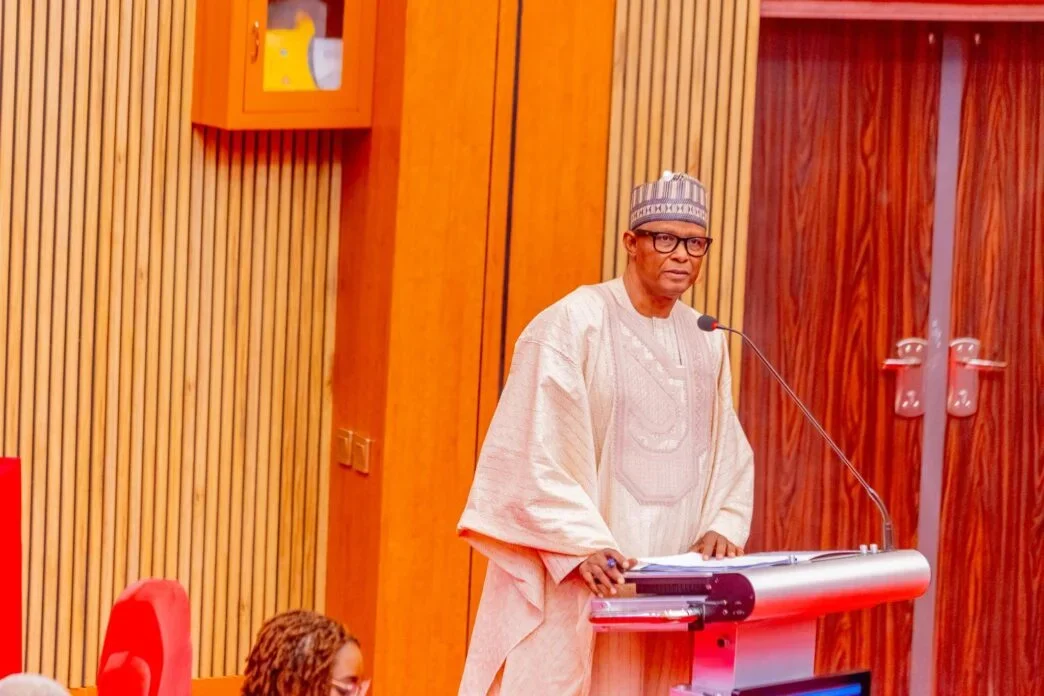
According to MDGIF Executive Director Oluwole Adama, represented by the fund’s Director of Strategy, Research and Deal Origination, Elvis Duruji, the intervention currently covers 31 projects and 205 infrastructure assets nationwide.
When fully operational, the projects are expected to deliver about 475 million standard cubic feet of gas per day to the domestic market.
The development provides a fresh example of how public capital can be deployed as catalytic funding rather than as the sole source of infrastructure investment.
Public Funding Used to De-Risk Private Projects
MDGIF said its model is based on using public funds to absorb some of the risks that can prevent commercially viable projects from attracting private capital.
Adama said the fund had mobilised private investment at roughly 2.4 times its own contribution, allowing projects that might initially appear difficult to finance to become more bankable.
The approach is particularly relevant to gas infrastructure because projects often require substantial upfront investment and long periods before generating returns.
By taking positions in strategically important projects and helping reduce investment barriers, MDGIF aims to make them more attractive to lenders and private-sector partners.
This structure differs from a conventional government infrastructure programme in which public funds finance the project almost entirely.
Instead, public capital is being positioned as a catalyst for a larger pool of private investment.
31 Projects and 205 Infrastructure Assets
The fund said its portfolio currently covers 31 projects and 205 infrastructure assets across Nigeria.
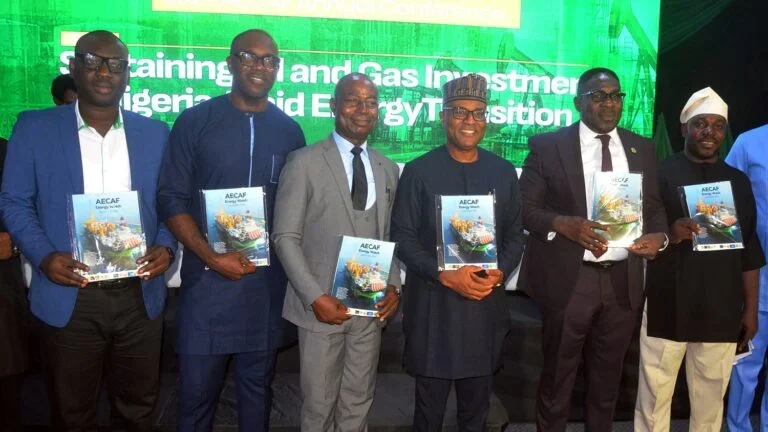
Of those projects, 127 infrastructure components have commenced construction, while 10 projects have already been commissioned, according to figures reported at the 2026 Annual Conference of the Association of Energy Correspondents of Abuja.
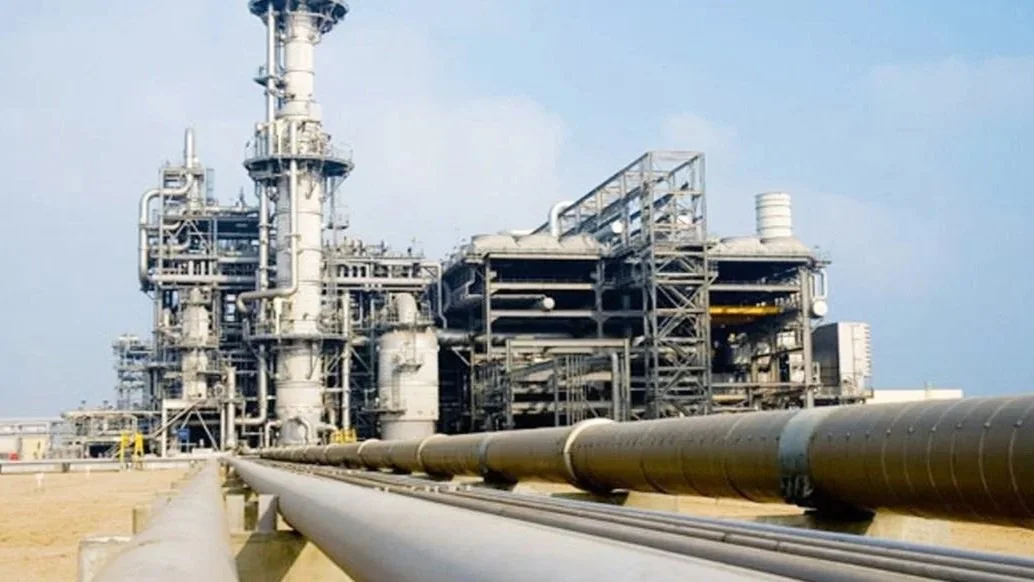
The projects cover different parts of the domestic gas infrastructure value chain, including compressed natural gas facilities, gas processing and distribution infrastructure.
MDGIF has also partnered with flare-gas commercialisation projects expected to monetise about 444 million standard cubic feet of gas per day that would otherwise be flared.
The fund said those projects could also eliminate approximately 2,845 tonnes of emissions daily.
Gas Supply Could Rise by 25%
MDGIF estimates that completing the projects in its portfolio could increase domestic gas supply by about 25 per cent from the current production level of approximately 1.9 billion standard cubic feet per day.
The additional supply would support the expansion of gas-dependent industries and businesses if the infrastructure is completed and connected effectively to end users.
For Nigeria's economy, the significance extends beyond gas production.
Greater availability of domestic gas could support electricity generation, manufacturing, industrial processing, transport and other energy-intensive activities.
The extent of the impact, however, will depend on whether the new infrastructure is completed on schedule and whether gas can reach industrial and commercial consumers at commercially viable prices.
Infrastructure Investment Could Expand Industrial Property Demand
The expansion of domestic gas infrastructure could have implications for Nigeria's industrial property market.
Gas-processing facilities, CNG stations, LNG plants, distribution networks and related infrastructure require land and supporting commercial facilities.
More importantly, reliable energy availability can influence where manufacturers and other businesses choose to establish operations.
Industrial users typically consider energy supply alongside road access, logistics, land costs, proximity to customers and availability of labour when selecting locations.
If expanded gas infrastructure improves energy availability for industrial users, it could support the development of new manufacturing clusters and increase demand for warehouses, logistics facilities, industrial parks and related commercial property.
This remains a potential market effect rather than an immediate consequence of the investment figures.
Gas Infrastructure Can Unlock New Development Corridors
Large infrastructure investments can also influence the spatial pattern of urban and economic development.
Gas infrastructure that connects previously underserved areas to energy markets can improve the attractiveness of locations for industrial and commercial investment.
Over time, this can support the emergence of development corridors where manufacturing, logistics, warehousing and supporting services cluster around new infrastructure.
For real estate investors, the importance lies in identifying areas where energy infrastructure is accompanied by transport connectivity, industrial investment and population growth.
Infrastructure alone does not guarantee property-market growth, but it can remove one of the constraints that limits development in emerging locations.
Financing Costs Remain a Major Barrier
MDGIF identified high financing costs among the factors that have historically constrained investment in the midstream gas sector.
Other challenges include inadequate infrastructure, regulatory uncertainty and technical and commercial risks.
The financing challenge is significant because gas infrastructure requires substantial upfront capital.
Commercial lenders may be reluctant to provide long-term funding for projects where construction, regulatory, market or revenue risks remain high.
Public catalytic capital can potentially address part of that problem by reducing the amount of risk private investors need to assume.
The approach also reflects a broader trend in infrastructure finance, where governments and development institutions increasingly seek to use limited public capital to mobilise significantly larger pools of private funding.
Public-Private Financing Could Become More Important
The MDGIF model highlights the potential role of public-private financing structures in Nigeria's infrastructure development.
Government cannot fund every infrastructure requirement directly from annual budgets, particularly when projects require large upfront investments and long repayment periods.
Private investors, meanwhile, may have the capital but remain reluctant to enter projects where risks are difficult to price.
A public institution capable of sharing or absorbing some of those risks can help bridge the gap.
For property markets, similar structures could potentially support infrastructure serving large housing developments, industrial parks and mixed-use projects where public infrastructure investment is essential to commercial viability.
The effectiveness of such models will depend on transparent project selection, sound risk allocation, regulatory certainty and the ability of projects to generate sustainable returns.
CNG and LNG Infrastructure Expanding
MDGIF's current portfolio includes significant investment in compressed and liquefied natural gas infrastructure.
The fund said it has partnered with 30 unincorporated joint ventures and one incorporated equipment-leasing company covering 20 CNG mother stations, more than 80 CNG daughter stations and another 75 daughter stations through the leasing company.
It has also supported a five million standard cubic feet per day mini-LNG project in Delta State, which MDGIF described as Nigeria's first indigenous mini-LNG project.
The project had reportedly struggled to secure financing for three years before partnering with the fund and is expected to be commissioned within the next few months.
The expansion of this network could support a wider distribution of gas beyond traditional industrial users.
Industrial Development Is the Larger Economic Objective
The investment push is ultimately connected to Nigeria's broader objective of using gas to support industrialisation.
The Minister of State for Petroleum Resources (Gas), Ekperikpe Ekpo, said investment in the sector should support industrialisation, employment, infrastructure development and improved living standards.
He also stressed the importance of policy stability, regulatory certainty, fiscal competitiveness, security and efficient project delivery in attracting investment.
This is relevant to property because industrialisation typically creates demand for a range of physical assets.
Manufacturers require factories and warehouses. Logistics companies need distribution facilities. Workers require housing. Growing industrial communities require retail, offices and other supporting services.
The real estate effect therefore depends on whether energy investment produces sustained economic activity around the infrastructure being developed.
The Investment Gap Remains Significant
Despite the recent mobilisation of private capital, Nigeria's gas infrastructure requirements remain substantial.
Previous industry assessments have put the annual investment requirement for gas infrastructure at much higher levels than current commitments, reflecting the scale of infrastructure needed to connect reserves to domestic and industrial consumers.
MDGIF itself said in August that it was supporting a wider pipeline of projects intended to unlock Nigeria's gas reserves, with the fund focused on using patient capital and equity participation to make capital-intensive projects bankable.
The current ₦1.6 trillion private investment mobilisation therefore represents part of a much larger infrastructure financing challenge.
Execution Will Determine the Real Economic Impact
The headline investment figure is significant, but the ultimate impact will depend on execution.
Infrastructure projects create economic value when they move from financial commitments to completed and operational assets.
MDGIF has reported that 10 projects have already been commissioned, while other projects remain under construction or development.
The completion of the remaining projects will determine how much additional gas reaches domestic users and whether the anticipated benefits to manufacturing, energy supply and investment materialise.
For property investors, the same distinction matters.
Planned gas infrastructure can signal potential future development, but actual infrastructure delivery, industrial occupancy and economic activity provide stronger indicators of sustained property demand.
Outlook
MDGIF's mobilisation of ₦1.6 trillion in private investment from ₦671 billion in public capital illustrates the potential for government-backed financing to attract private funding into infrastructure that carries significant upfront risks.
The 31 projects and 205 assets supported by the fund could add about 475 million standard cubic feet of gas supply daily when fully operational, according to MDGIF.
For Nigeria's built environment, the wider significance lies in what improved gas infrastructure could enable: more reliable energy for industrial users, new manufacturing activity, logistics expansion and development of commercial and industrial property around emerging economic corridors.
The next test will be whether the projects move from investment commitments to completed infrastructure and whether the resulting increase in domestic gas supply translates into broader industrial and economic activity.
READ MORE