Anambra’s $123.77m Debt Dispute Puts Focus on Development Financing and State Obligations
Anambra debt dispute centres on development financing
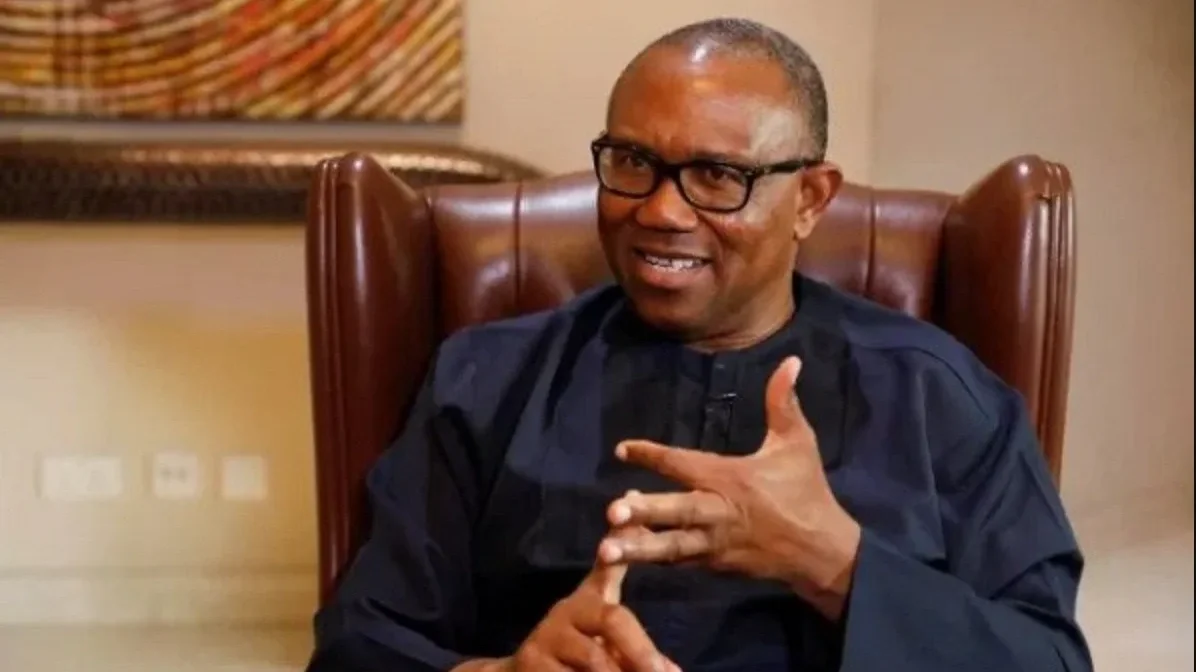
A dispute over $123.77 million in external development facilities linked to projects implemented during former Anambra State Governor Peter Obi’s administration has brought renewed attention to how states account for development financing, loan drawdowns and outstanding obligations.
/ You Might Also Like /




The Anambra State Government says eight external facilities associated with projects undertaken during Obi’s tenure had a combined contracted value of $123.77 million, with $92.35 million outstanding as of June 30, 2026.
Obi has rejected the characterisation of the entire $123.77 million as debt he left behind, arguing that the figure combines different categories of multilateral development financing and does not distinguish between approved programme amounts, funds actually drawn by Anambra and the balance outstanding at the time he left office.
The disagreement has broader implications for public infrastructure finance because development facilities often involve long-term programmes, federal government arrangements and state-level implementation rather than conventional commercial borrowing by individual state administrations.
Anambra Government Puts Outstanding Facilities at $92.35m
The Anambra State Government has said eight external facilities contracted between 2007 and 2013 had a combined value of about $123.77 million.
It said the outstanding balance stood at $92.35 million as of June 30, 2026, with the figures attributed to records from the Debt Management Office.
The facilities were associated with projects covering areas including malaria control, agricultural development, healthcare, education, community development and erosion and watershed management.
The figures have become the basis of a wider disagreement over whether the $123.77 million should be described as debt inherited from the former administration and, more specifically, whether the entire contracted amount represents the amount Anambra actually owed at the end of Obi’s tenure.
Obi Challenges How the Figure Was Calculated
Obi has disputed the presentation of the debt figures, saying the facilities should not be treated as conventional loans personally obtained by his administration.
He said several of the programmes involved World Bank and International Fund for Agricultural Development facilities secured through the Federal Government and subsequently made available to participating states for specific development programmes.
According to Obi, three different figures need to be distinguished: the amount approved for a multiyear development programme, the amount actually drawn by Anambra and the balance outstanding when he handed over power in March 2014.
He also said he did not approach financial institutions to borrow money or issue bonds on behalf of Anambra during his eight-year tenure.
Obi cited historical Debt Management Office figures showing Anambra's external debt at about $18 million when he assumed office in 2006 and around $30 million when he left office in March 2014. He said the state's external debt was about $45 million by December 2014.
The figures he cited form part of his response to the state government's presentation and have not, by themselves, resolved the disagreement over the classification and outstanding balance of the development facilities.
Development Financing Is Different From Conventional Commercial Borrowing
The dispute highlights an important distinction in public-sector financing.
A development programme can have an approved or contracted financing envelope that is larger than the amount eventually drawn by a state. Similarly, a facility may be disbursed over several years and repaid over an extended period.
This means the headline value of a development facility does not necessarily represent the amount outstanding at any particular point.
The distinction matters for infrastructure and housing because state governments frequently rely on development finance to fund projects that may not generate immediate commercial returns but are intended to improve public services and economic capacity.
Such financing can support roads, water infrastructure, healthcare facilities, schools, agricultural infrastructure, erosion control and other projects that underpin urban development.
Infrastructure Projects Create Long-Term Fiscal Obligations
Development financing can provide governments with access to capital that would otherwise be difficult to mobilise through annual budget allocations.
However, long-term financing also creates repayment obligations that can extend across multiple administrations.
That creates a need for clear records showing the original facility, the amount disbursed, the repayment schedule, the balance outstanding and the specific projects financed.
For states, transparent accounting becomes particularly important when political administrations change.
A project may be initiated under one administration, receive additional disbursements under another and remain subject to repayments under several subsequent governments.
The resulting liability is therefore a continuing obligation of the state rather than simply a financial issue associated with the administration that initiated the programme.
Development Loans Can Support Property-Market Growth
The financing dispute also has an indirect connection to Nigeria's property market.
Infrastructure funded through development finance can influence where housing, commercial property and industrial activity expand.
For example, investments in roads and transport infrastructure can improve access to new development areas, while erosion-control and drainage projects can make previously constrained land more suitable for development.
Healthcare and education infrastructure can also support the growth of surrounding communities by attracting workers, businesses and supporting services.
Agricultural development programmes can have similar effects in areas where improved production and market access generate demand for storage, logistics, commercial and residential facilities.
The property-market impact therefore depends less on the financing label itself and more on whether borrowed or concessionary funds translate into functioning infrastructure and productive assets.
Anambra Dispute Highlights the Importance of Drawdown Data
One of the central issues raised by the disagreement is the difference between a facility's total contracted value and the amount actually drawn.
Obi has argued that the $123.77 million figure does not adequately distinguish between those categories.
The Anambra government's position, meanwhile, is that the eight facilities were external obligations associated with projects approved during the former administration and that subsequent governments have continued to service them.
Resolving the disagreement therefore requires more than comparing headline figures.
A complete assessment would need to establish the original facility amounts, disbursements to Anambra, repayment schedules, balances at different handover dates and the current outstanding amounts.
Long-Term Financing Requires Stronger Project Accountability
The controversy illustrates why infrastructure financing needs clear project-level accountability.
Where governments use external financing to fund development programmes, records should allow citizens, investors and subsequent administrations to determine how much was borrowed or allocated, how much was actually spent and what remains payable.
This is particularly relevant to large infrastructure projects because repayment obligations can continue long after the original project has been completed.
For investors, transparent public finances can also provide greater visibility into a state's capacity to fund infrastructure and maintain its obligations.
States with substantial debt-service commitments may have less fiscal space for new capital projects, while better-managed financing can allow governments to leverage development capital without undermining future infrastructure spending.
State Borrowing Has Implications for Future Development
The Anambra case also raises a broader question about how Nigerian states balance infrastructure needs against long-term fiscal sustainability.
Development finance can help governments fund projects that support economic activity, but the benefits need to be assessed alongside repayment obligations.
For property markets, this balance is important because infrastructure investment can unlock land values and support new housing and commercial development, while excessive debt-service pressure can constrain future public investment.
The key consideration is therefore not simply whether a state has borrowed, but whether financing has been channelled into productive infrastructure and whether the resulting obligations remain manageable.
The Need for Clearer Public Debt Reporting
The disagreement between Anambra's current administration and Obi underscores the importance of consistent public reporting of state-level development finance.
A transparent framework should distinguish between:
approved financing;
contracted facilities;
actual disbursements;
amounts repaid;
outstanding principal;
interest and other charges; and
the projects financed by each facility.
Such information would make it easier to assess the financial position inherited by successive administrations and reduce disputes over historical liabilities.
It would also give investors and development partners a clearer picture of a state's fiscal capacity.
Outlook
The Anambra debt dispute remains centred on competing interpretations of development financing, historical debt figures and the obligations associated with facilities linked to projects undertaken during Obi's tenure.
The Anambra government has cited a combined facility value of $123.77 million and an outstanding balance of $92.35 million as of June 30, 2026, while Obi disputes the presentation and says approved programme values should not be treated as equivalent to debt outstanding at his handover.
Beyond the political disagreement, the case highlights a wider issue for Nigeria's infrastructure and property markets: long-term development financing can help states deliver assets that support economic and urban growth, but its effectiveness depends on transparent accounting, disciplined project execution and sustainable repayment obligations.
For state governments seeking to use external finance to expand infrastructure, the distinction between financing secured, money actually drawn and debt ultimately outstanding will remain critical to assessing both the benefits and long-term costs of development investment.
READ MORE