Laja Adeoye Unveils Lagos Housing Plan, Targets Affordable Homes in Epe, Badagry and Ikorodu

Adeoye outlines Lagos housing proposal
The Lagos State governorship candidate of the Allied Peoples Movement (APM), Laja Adeoye, has outlined a housing proposal that includes the development of affordable homes in Epe, Badagry and Ikorodu as part of his wider “Atunto Eko 1.0” agenda for the 2027 election.
/ You Might Also Like /


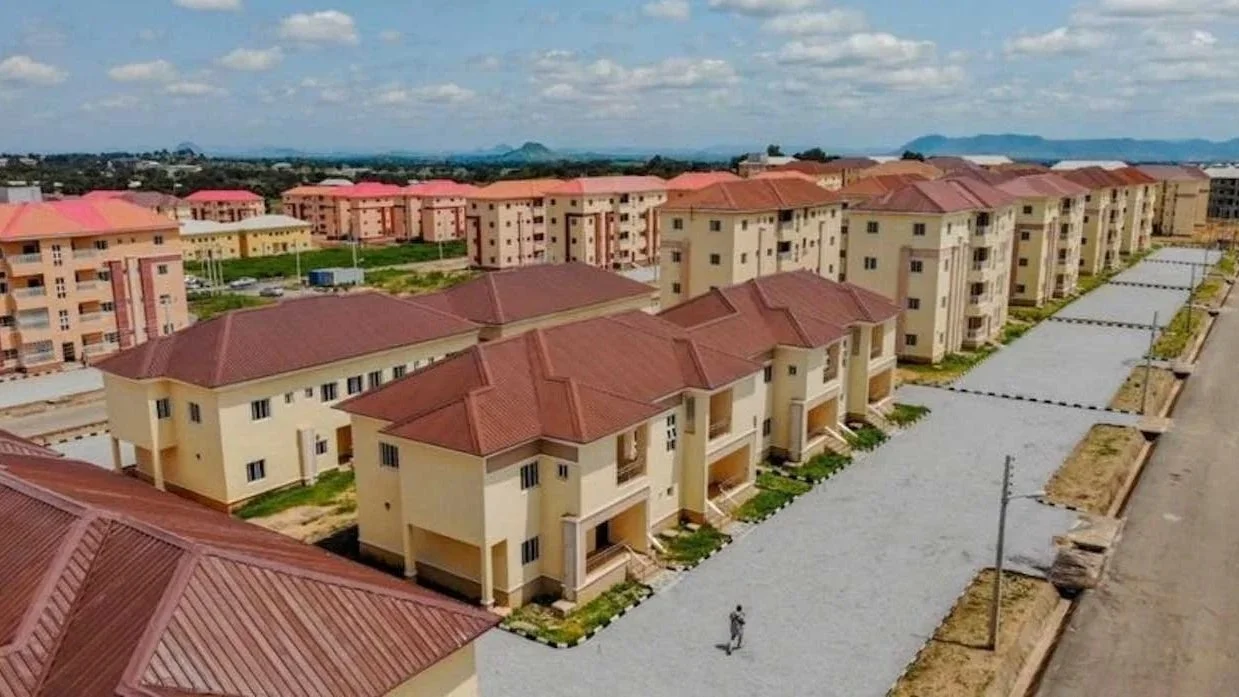

Adeoye said the proposed housing developments would be designed alongside markets, stalls and other supporting facilities to create more functional residential communities and economic opportunities outside Lagos’ traditional urban centres.
The proposal forms part of a broader agenda covering electricity, transportation, flooding, taxation, security and economic development. Adeoye’s housing plans remain campaign proposals and would require policy decisions, funding and implementation mechanisms if adopted by a future administration.
Housing Expansion Targeted at Emerging Lagos Corridors
Adeoye proposed developing affordable housing in Epe, Badagry and Ikorodu, three areas that sit within Lagos’ wider expansion corridors.
According to the candidate, locating housing alongside commercial facilities would allow residents to live closer to economic opportunities rather than concentrating residential demand around the more established parts of Lagos.
This approach could have implications for the spatial development of the state. Housing delivery in emerging corridors can support the growth of new residential communities, but its effectiveness depends on corresponding investment in roads, drainage, electricity, water supply, public transport and other basic infrastructure.
The proposal therefore links housing development with wider urban planning rather than treating the supply of residential units as a standalone intervention.
Private-Sector Partnerships Proposed for Housing Delivery
Adeoye has also proposed working with the private sector to expand housing delivery and improve access to mortgages.
Reports on his wider campaign agenda indicate that he has proposed partnerships with private developers to deliver 100,000 homes, with single-digit mortgage financing also identified as part of the housing strategy.
For Lagos’ housing market, the financing component could be particularly significant. High construction costs, land prices and mortgage rates can make otherwise affordable housing difficult for households to access.
A model that combines public-sector support, private development capital and lower-cost mortgage finance could potentially broaden the market for formal housing. However, the actual affordability of the proposed homes would depend on land costs, construction expenses, financing terms, household incomes and the structure of any government support.
Housing Development Linked to Economic Activity
The proposed communities would include markets and other commercial facilities, according to Adeoye.
Such an approach reflects the growing importance of mixed-use development in expanding urban areas. Residential communities require access to employment, retail, transportation, education and other services if they are to develop into sustainable neighbourhoods.
For property developers, the expansion of infrastructure and economic activity into areas such as Epe, Badagry and Ikorodu could also influence future land values and development patterns. However, the scale of any market impact would depend on whether the proposed infrastructure and housing investments are actually delivered.
Adeoye’s wider economic agenda also includes independent power projects across Lagos’ five divisions. He said improved electricity supply would support businesses and investment across the state.
Flooding and Infrastructure Form Part of the Housing Proposal
The housing proposal comes alongside plans to address Lagos’ flooding challenges.
Adeoye said his proposed administration would invest in retaining walls, underground tunnels and improved water-discharge systems to address flooding.
Flood management is particularly relevant to housing development because drainage and flood resilience affect land values, construction decisions, insurance risks and the long-term viability of residential communities.
For new housing schemes in emerging areas, adequate drainage infrastructure would therefore be an important consideration alongside the construction of homes.
Implementation and Financing Remain Key Questions
While the proposal provides a broad direction for expanding affordable housing, its implementation would depend on several factors, including the availability of land, infrastructure financing, developer participation and access to affordable long-term mortgages.
The ability to deliver homes at prices that match the purchasing power of Lagos households would also be critical. Housing affordability cannot be determined by construction cost alone; financing conditions, household incomes and associated transport and service costs also influence the overall cost of homeownership.
The proposal therefore places emphasis on the need to connect housing delivery with broader infrastructure and economic planning.
Adeoye’s comments are campaign proposals ahead of the 2027 Lagos governorship election. Their feasibility and eventual implementation would depend on the policies, budgets and institutional arrangements of any future administration.
READ MORE