Why Lagos Must Address Urban Renewal Displacement Before Redevelopment Accelerates
Development Experts Call for Inclusive Planning in Lagos Regeneration Projects
Development experts and housing analysts are calling on the Lagos State Government to prioritise inclusive dialogue on displacement and resettlement as urban renewal and regeneration projects expand across the state.
The growing debate follows a series of redevelopment initiatives, demolitions, and regeneration programmes targeting waterfront communities, informal settlements, and densely populated urban districts across Lagos. Analysts warn that without clear social safeguards, compensation frameworks, and inclusive planning policies, urban renewal efforts risk worsening housing inequality and displacement pressures in Nigeria’s commercial capital.
/ You Might Also Like /




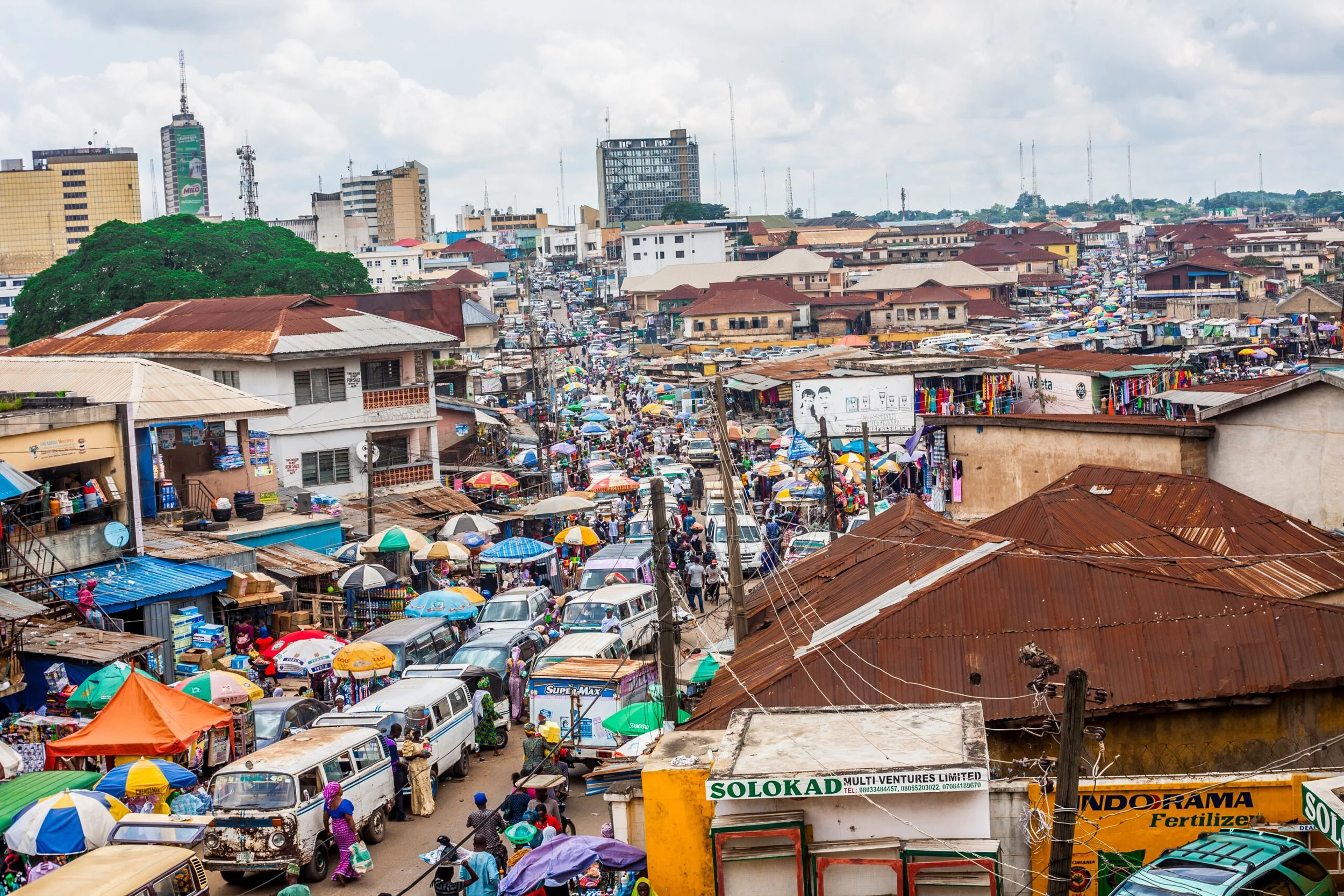
Urban renewal has become a central component of Lagos State’s long-term development strategy as authorities pursue infrastructure upgrades, transportation expansion, waterfront redevelopment, climate resilience projects, and modern housing initiatives designed to support the city’s rapid population growth.
However, experts argue that regeneration efforts must balance physical development goals with the protection of vulnerable communities whose livelihoods and housing security are increasingly threatened by redevelopment activities.
Urban Renewal Expands Across Lagos
The Lagos State Government has intensified urban renewal initiatives in recent years through projects linked to transportation upgrades, market redevelopment, waterfront regeneration, and housing expansion.
State officials have repeatedly positioned urban renewal as a critical strategy for improving infrastructure, sanitation, environmental sustainability, and economic competitiveness within Africa’s largest city. According to Lagos housing authorities, emerging investment opportunities now include urban regeneration, affordable housing, climate-resilient infrastructure, and transit-oriented development.
Officials also maintain that infrastructure-led development remains necessary to manage rising population pressures and improve living conditions across rapidly expanding districts.
Recent government-backed projects include redevelopment plans affecting Makoko, Okobaba, Computer Village, Abule Egba, and several other urban communities undergoing restructuring or relocation processes.
The Lagos State Urban Renewal Agency (LASURA) has continued coordinating multiple redevelopment projects as part of the state’s broader metropolitan transformation strategy.
Experts Warn Against Displacement-Driven Development
Despite the economic and infrastructural benefits associated with urban regeneration, development experts caution that poorly managed redevelopment can deepen poverty, weaken informal economies, and increase homelessness among low-income households.
Speaking at the Lagos Economic Outlook 2026 Roundtable, Professor Taibat Lawanson of the University of Lagos stressed that urban regeneration should prioritise social equity rather than simply focus on demolition, beautification, or luxury real estate expansion.
According to Lawanson, successful regeneration models globally are designed to reduce multidimensional poverty while preserving community structures and local economic systems.
“Urban regeneration should lift deprived areas into equitable living conditions,” she stated during the forum, emphasising that redevelopment must remain people-centred and environmentally sustainable.
Analysts warn that displacement without adequate compensation, resettlement planning, or livelihood protection could intensify Lagos’ existing housing affordability crisis.
Nigeria already faces a severe housing deficit estimated at more than 20 million units, while rising rents and declining purchasing power continue to place pressure on urban households. Informal settlements often serve as critical housing alternatives for low-income residents unable to access formal accommodation markets.
Makoko Becomes Symbol of Urban Regeneration Debate
The ongoing redevelopment tensions surrounding Makoko have emerged as a major reference point in the broader conversation about displacement and urban renewal in Lagos.
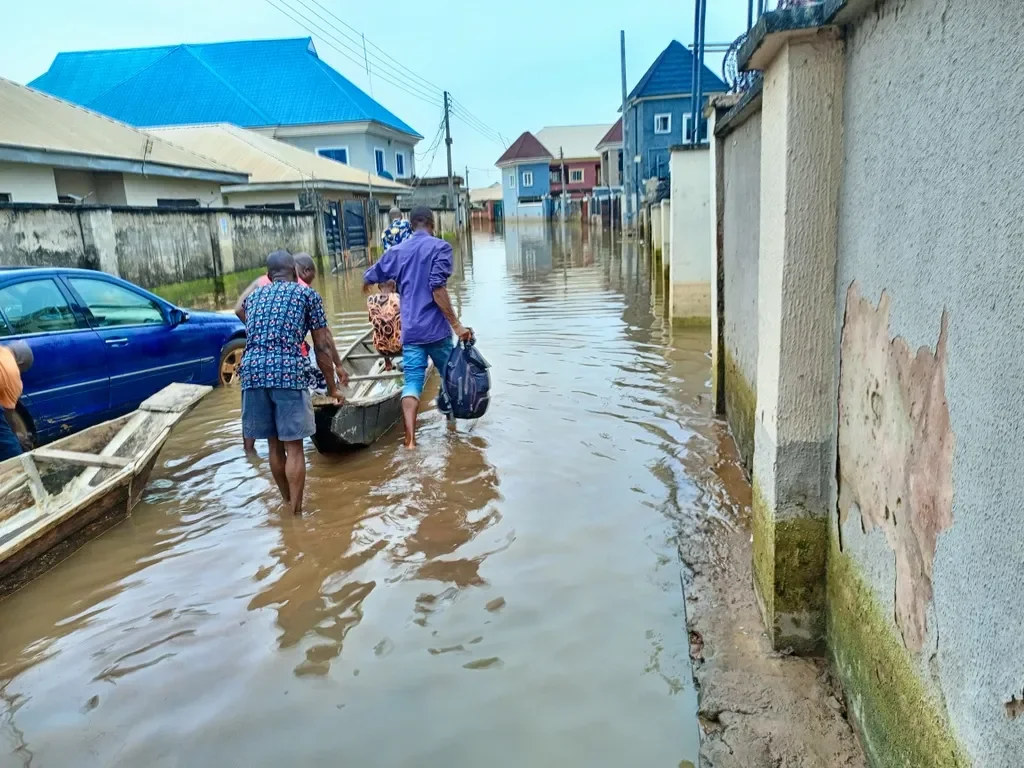
The waterfront community recently witnessed demolitions linked to safety enforcement and redevelopment plans, triggering protests and renewed scrutiny over the social impact of urban regeneration policies.
While the Lagos State Government maintains that parts of the demolition exercise were necessary to enforce safety corridors beneath high-tension power lines, residents and advocacy groups argue that thousands of people were displaced without sufficient consultation or long-term resettlement guarantees.
The dispute has also intensified discussions about land use, waterfront redevelopment, and the future of informal communities located in high-value urban districts.
According to reports, Lagos authorities are pursuing broader “Water City” regeneration concepts aimed at modernising sections of the waterfront while improving sanitation, infrastructure, and environmental management.
However, housing advocates argue that redevelopment efforts must avoid replacing low-income communities with luxury residential projects that exclude original residents.
Housing Affordability Concerns Continue to Rise
The urban renewal debate comes at a time when Lagos residents are already facing mounting housing affordability challenges driven by inflation, rising construction costs, and limited supply.
Recent housing reports indicate that rental prices across several Lagos districts have increased sharply over the past two years, forcing many middle- and low-income households to relocate farther from economic centres.
Urban planners warn that redevelopment-driven displacement could further increase pressure on suburban districts and informal settlements if adequate affordable housing alternatives are not introduced alongside regeneration projects.
Experts increasingly advocate for “inclusive regeneration” models that combine infrastructure upgrades with affordable housing delivery, livelihood protection, community participation, and phased redevelopment strategies.
Balancing Infrastructure Growth With Social Protection
Lagos remains one of Africa’s fastest-growing cities, with thousands of new residents arriving daily. State officials argue that large-scale infrastructure investments are necessary to support economic growth, transportation efficiency, and climate resilience.
However, urban policy analysts note that sustainable urban development depends not only on physical infrastructure but also on the ability to preserve social inclusion and economic accessibility.
Some experts suggest that Lagos could adopt hybrid regeneration frameworks involving in-situ upgrading, incremental housing improvements, transparent compensation mechanisms, and community-led redevelopment planning.
International urban development models increasingly favour upgrading informal communities rather than mass displacement, particularly in coastal and climate-vulnerable cities where informal settlements often represent complex economic ecosystems.
Outlook
As Lagos accelerates its urban renewal agenda, the pressure to balance redevelopment with social protection is expected to intensify.
The growing calls for displacement-focused dialogue reflect wider concerns about housing equity, affordability, and community rights within rapidly urbanising African cities.
For policymakers, developers, and investors, the debate highlights the need for urban regeneration strategies that deliver infrastructure growth without undermining housing security or excluding vulnerable populations from the future of the city.
READ MORE