More Reclaimed Land Won’t Automatically Make Lagos Housing Affordable
Lagos’ reclaimed land expansion faces affordability and planning challenges
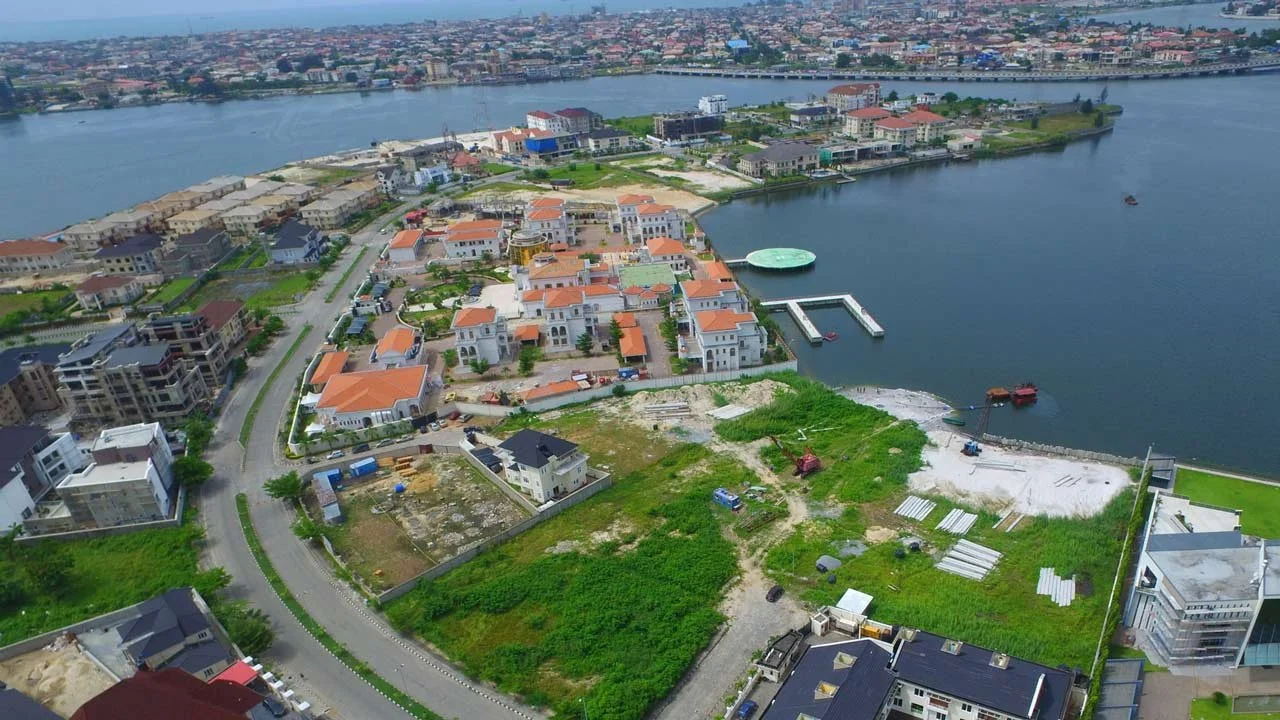
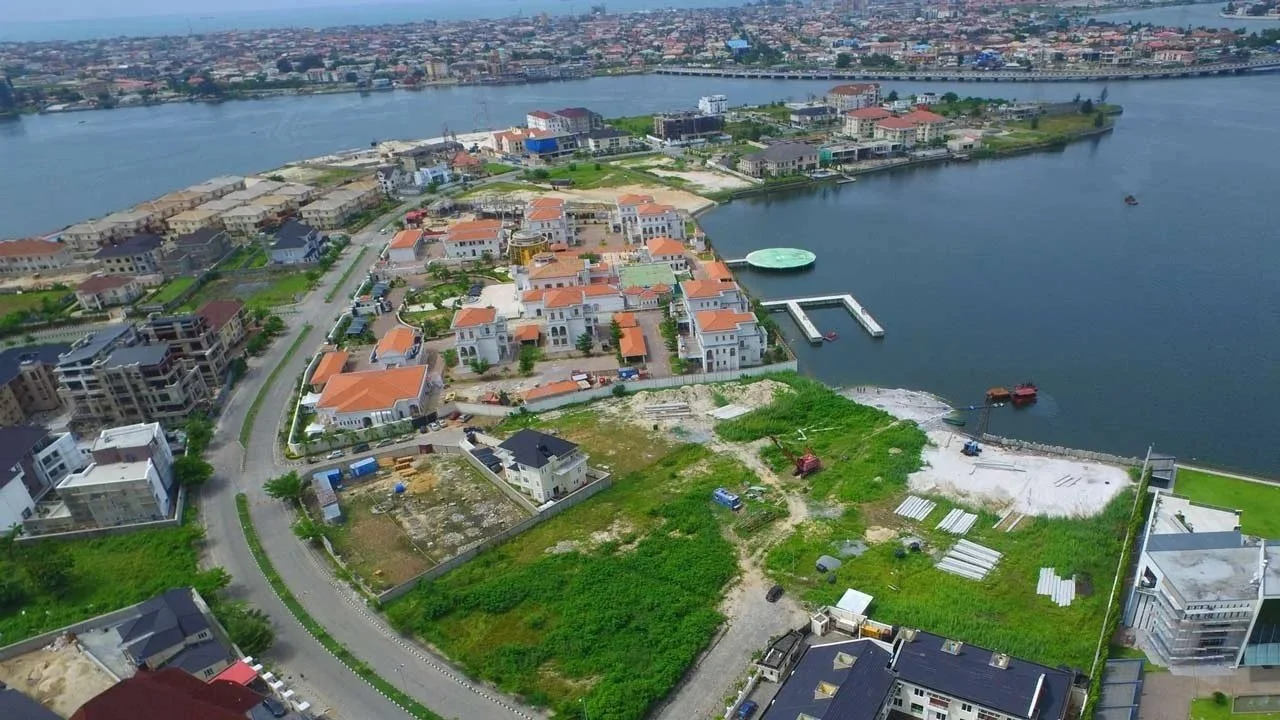
Lagos’ expanding use of land reclamation is creating additional space for urban development, but experts say the strategy alone will not resolve the state’s housing affordability and supply challenges.
Town planners, engineers and real estate analysts told Nairametrics that while reclamation can increase the amount of developable land in a city facing severe land pressure, the high cost of creating, stabilising and servicing reclaimed land could limit the type of housing eventually delivered.
/ You Might Also Like /

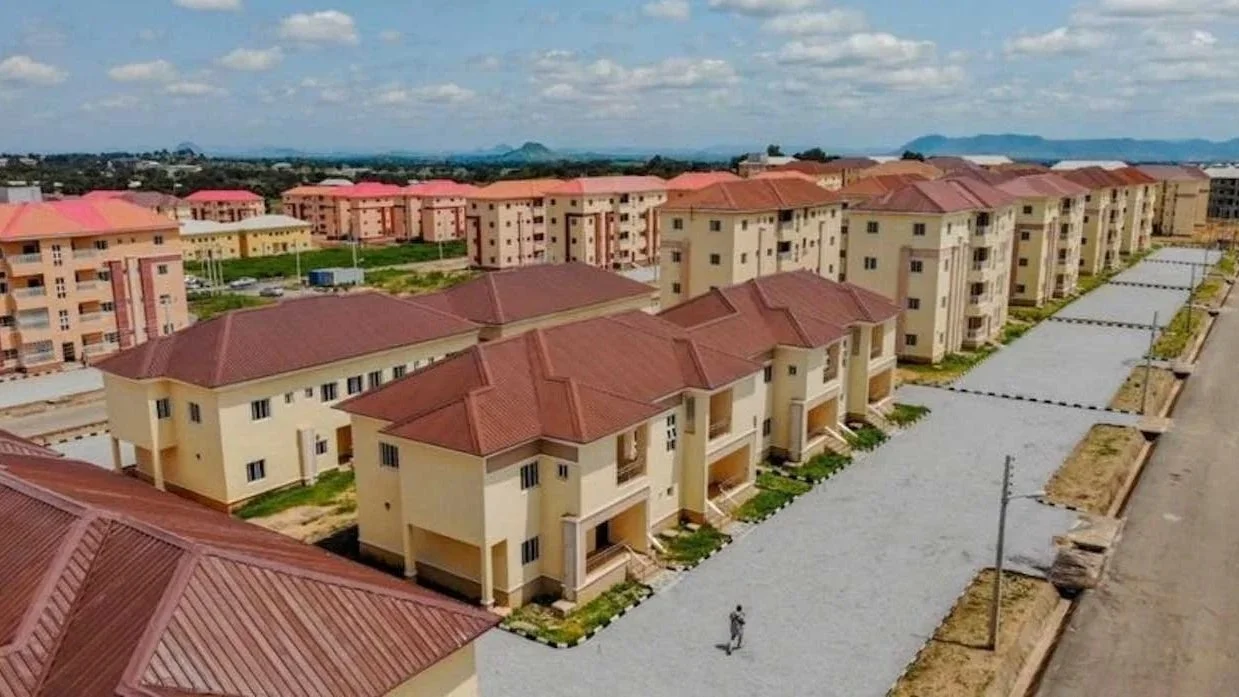

The experts also warned that poor engineering, inadequate drainage and weak environmental planning could create long-term risks for developments and surrounding communities.
Reclamation Creates Land, Not Automatically Affordable Housing
Lagos has limited developable land and faces continuing pressure from population growth, urban expansion and demand for residential and commercial property.
Land reclamation can provide developers with additional development opportunities, particularly in strategic waterfront locations. However, creating additional land does not necessarily translate into cheaper homes.
Real estate investment analyst Olabisi Odusanya said the economics of reclamation ultimately determine where it is commercially viable and what type of development can be delivered.
The substantial capital required for reclamation, infrastructure and ground improvement means projects are more likely to be pursued in locations where property demand and investment capacity can support those costs.
This creates a potential mismatch between the new land being created and the segment of the population most affected by Lagos’ housing shortage.
Instead of automatically producing affordable housing, expensive reclaimed land may be more attractive for higher-value residential, commercial and mixed-use developments.
Lagos Had Suspended Land Reclamation Projects
The affordability debate comes against the backdrop of Lagos State’s decision in September 2025 to suspend land reclamation projects across the state.
The government cited concerns including flooding, coastal erosion, environmental degradation and risks to communities. It also directed that reclamation projects be properly documented and subjected to environmental and drainage requirements before proceeding.
The suspension followed concerns over reclamation activities in wetlands, lagoons and other environmentally sensitive areas.
However, engineer Gbenga Adigun, founder and CEO of Rebar Perfecta Ltd., said reclamation activities did not stop completely. He described subsequent enforcement as increasingly focused on unauthorised and non-compliant projects.
The regulatory approach therefore appears to be moving towards greater scrutiny of how reclamation projects are planned, engineered and integrated into the wider urban environment.
Engineering Quality Will Determine Long-Term Viability
Experts also cautioned that reclaimed land cannot be treated in the same way as conventional dry land.
The suitability of a reclaimed site depends on factors including the seabed, soil conditions, groundwater, fill material, compaction and the behaviour of the ground after reclamation.
Adigun said developers need detailed surveys and investigations before and during reclamation to determine the characteristics of the underlying soil and the material being used to create the new land.
Engineer Babatunji Adegoke similarly warned that reclaimed ground can continue to move after development if underlying soils remain compressible.
Differential settlement can create problems such as cracks in roads and drainage channels, uneven floors, distorted external works and structural stress.
Depending on ground conditions, developers may require measures including preloading, vertical drains, dynamic compaction or other ground-improvement techniques before permanent construction.
These requirements add to project costs and reinforce the argument that simply creating additional land does not necessarily make housing cheaper.
Infrastructure Will Be Critical to New Housing Supply
The housing value of reclaimed land will also depend on whether it is supported by adequate infrastructure.
New residential districts require roads, drainage, water supply, electricity, waste management, public transport and other urban services. Without these systems, additional land could simply extend the geographical footprint of Lagos without adequately expanding its functional housing capacity.
Town planner Niyi Aderohunmu, co-founder and director of Goania Project Ltd., said reclamation should form part of a wider urban planning strategy rather than serve as a response to land pressure on its own.
He also argued that reclamation should be assessed based on environmental sensitivity, ground conditions, flood risk and infrastructure availability.
For Lagos, this means the decision to create new land must consider how that land will connect to the existing city and whether the surrounding infrastructure can support additional residents.
Environmental Risks Could Affect Existing Communities
Land reclamation can also change how water moves through an urban environment.
Filling wetlands, lagoons or flood-storage areas without adequate planning can reduce natural drainage capacity and potentially transfer flooding risks to neighbouring communities.
Experts therefore argue that reclamation projects should include environmental assessments, drainage planning, flood-resilient design and long-term monitoring.
Aderohunmu said areas with important ecological functions, including active wetlands, mangroves, fish-breeding areas and low-lying floodplains that provide flood-storage capacity, require particular caution.
For property investors, this makes environmental and infrastructure due diligence increasingly important when assessing waterfront and reclaimed-land developments.
What Reclaimed Land Means for Property Investors
The expansion of Lagos’ physical landmass could create new investment opportunities, but investors may need to look beyond the amount of land available.
The quality of the reclamation, title status, environmental approvals, infrastructure provision, drainage capacity and long-term ground stability can all influence the value and risk profile of a property.
Reclamation can also affect existing waterfront properties.
Nairametrics reported that some realtors have observed that new developments could obstruct views or alter access to existing waterfront homes, potentially affecting their attractiveness and resale value.
This means reclamation can create both opportunities and risks across the wider property market rather than only affecting developers building on newly created land.
Lagos Needs a Broader Housing Strategy
The central challenge for Lagos is therefore not simply a shortage of physical land.
Housing affordability is also shaped by construction costs, infrastructure, access to mortgage finance, land prices, planning efficiency and household purchasing power.
Odusanya argued that Lagos should maximise existing infrastructure and encourage higher-density development in appropriate locations instead of relying on reclamation as a default solution to the housing shortage.
A broader strategy could allow the state to increase housing supply through better use of already serviced areas while ensuring that new development areas are properly planned and connected to infrastructure.
For policymakers, the objective should ultimately be to create more homes that households can afford, rather than simply increase the amount of land available for development.
Outlook
Lagos’ reclamation programme demonstrates the opportunities and limitations of expanding a land-constrained city.
Reclaimed land can create valuable development space and support the expansion of the property market, but its contribution to the housing crisis will depend on what is ultimately built, who can afford it and whether the developments are properly integrated into the city.
Without affordable housing policies, adequate infrastructure, sound engineering and effective environmental regulation, creating more land may expand Lagos’ property market without substantially reducing the number of households struggling to secure suitable housing.
The broader lesson is that Lagos’ housing challenge requires more than land supply. It requires a coordinated approach to planning, infrastructure, housing finance, development costs and affordability.
READ MORE