Lagos Power Supply Faces Distribution Bottlenecks Despite Available TCN Capacity
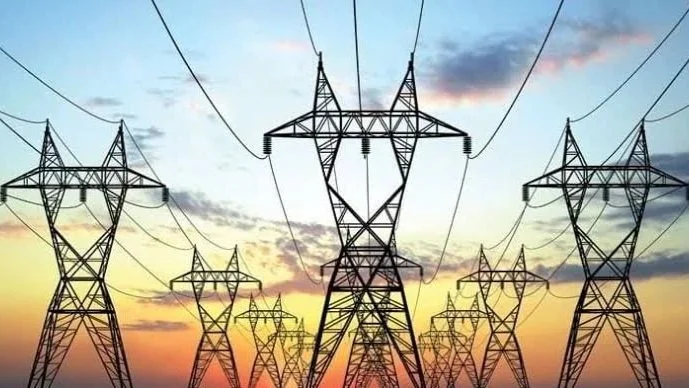
Lagos power supply faces distribution constraints
Lagos has the capacity to receive more electricity from the national transmission network, but bottlenecks between the Transmission Company of Nigeria (TCN) and Distribution Companies (DisCos) are limiting the amount of power reaching consumers, the Lagos State Electricity Regulatory Commission (LASERC) has found.
The commission reached the conclusion after an on-the-spot monitoring and fact-finding exercise at key TCN facilities in Lagos, including the Akangba and Ijora substations.
/ You Might Also Like /




The assessment followed reports that about 200 megawatts (MW) of electricity could not reach consumers in Lagos. LASERC said its investigation was designed to determine whether the constraint was on the transmission side or whether DisCos lacked the capacity to absorb additional electricity.
TCN has capacity, but distribution remains a constraint
LASERC's Executive Member for Engineering and Standards, Adekunle Olapade, said the assessment found that both TCN and the DisCos have capacity, but infrastructure and operational bottlenecks between them are preventing more electricity from reaching consumers.
According to the commission, TCN has the capacity to transmit the additional electricity, while the DisCos also have capacity to receive more power.
However, limitations in distribution infrastructure and system protection are restricting the amount of electricity that can be taken from the transmission network.
TCN also raised concerns about frequent system tripping, particularly during the rainy season, adding another challenge to the efficient transfer of available electricity.
More investment needed in Lagos distribution network
LASERC said Lagos would require increased investment in distribution infrastructure if the state is to absorb more electricity from the transmission network.
The commission identified weaknesses in distribution infrastructure as a key constraint and said improvements would allow DisCos to take greater volumes of power from TCN.
This distinction is important because increasing electricity generation or transmission capacity does not automatically translate into more reliable supply for end users. Power must still move through substations, transformers, feeders and other distribution infrastructure before reaching homes and businesses.
For Lagos, strengthening this final part of the electricity chain could therefore determine how much of the available power ultimately reaches consumers.
Vandalism adds pressure to power infrastructure
LASERC also identified vandalism and theft of electricity infrastructure as continuing challenges.
Olapade called for greater public awareness to protect underground cables and overhead equipment from damage.
Damage to power infrastructure can disrupt electricity supply while increasing the cost and time required for repairs and replacement.
For businesses and property owners, unreliable electricity also creates additional operating costs, particularly where generators or alternative power systems are required to maintain operations.
Power reliability remains important to Lagos property market
The electricity constraints have a direct relevance to Lagos' housing and real estate market.
Reliable power is an important consideration for residential, commercial and industrial property users. Developers also factor electricity availability into the location, design and operating economics of projects.
Areas with more dependable electricity infrastructure can become more attractive to businesses and households, while locations that depend heavily on private generators may face higher operating costs.
For developers, improved grid supply could reduce some of the recurring costs associated with powering construction sites, estates, commercial properties and industrial facilities.
The potential benefits extend to existing properties as well. More reliable public electricity can reduce dependence on diesel generators and other backup systems, potentially improving the operating economics of buildings.
Lagos expands alternative electricity investments
The latest LASERC assessment comes as Lagos continues to develop its state-level electricity market.
In May, the Lagos State Government approved 14 electricity licences and permits covering areas including off-grid and embedded generation, independent distribution, metering and mini-grid operations.
The approvals included a 5.8MW off-grid project by Axxela at Cadbury Nigeria in Agidingbi and a 9MW embedded-generation project by Isolo Power Gen, alongside other electricity projects. LASERC also granted Elektron Energy Development an operational licence for a 40MW Victoria Island Power project earlier in September.
These developments indicate that Lagos is pursuing multiple approaches to expanding electricity supply, including distributed and embedded generation alongside improvements to the existing electricity network.
24/7 electricity zones planned for Lagos
LASERC is also preparing to pilot 24/7 electricity franchise zones across Lagos from October 2026 under its Short-Term Regulatory Agenda.
The programme is intended to improve efficiency, reliability and innovation within the state's electricity market through 2030.
The state's electricity regulatory framework was strengthened following the Lagos Electricity Law 2024, which gave LASERC responsibility for regulating electricity generation, distribution and tariffs within the state.
The commission's board was formally inaugurated in March 2026.
Better electricity could support property development
Improving electricity infrastructure could have wider implications for Lagos' development corridors.
Reliable power can support industrial activity, logistics, commercial centres and residential communities, particularly in locations where businesses and households currently depend heavily on private electricity generation.
For property developers, electricity availability can also influence the feasibility of new estates and mixed-use developments. Projects serving large populations require dependable power for water pumping, security systems, lifts, lighting, cooling and other essential services.
In industrial and commercial areas, improved power supply can strengthen business productivity and potentially increase demand for warehouses, offices, retail space and other property types.
However, electricity investment alone will not determine the performance of Lagos' property market. Road access, drainage, water supply, land administration, transport infrastructure and planning controls will continue to influence development decisions.
Power infrastructure remains critical to housing affordability
The reliability of electricity also has an indirect relationship with housing affordability.
Where households and businesses face high energy costs, those expenses form part of the broader cost of living and operating a property.
For developers, the cost of providing alternative power infrastructure can also increase project development and maintenance costs. Those expenses can ultimately affect rents, service charges or the price of newly developed properties.
Unlocking more grid capacity could therefore reduce some of these pressures if improved supply proves reliable and financially sustainable.
Outlook
LASERC's findings suggest that Lagos' immediate electricity challenge is not simply a lack of generation or transmission capacity. The ability of the distribution network to receive and deliver additional electricity remains a critical constraint.
Addressing the identified bottlenecks between TCN and DisCos, upgrading distribution infrastructure, improving system protection and reducing vandalism could allow more available electricity to reach consumers.
For Lagos' housing and property market, the outcome could extend beyond better household power supply. More reliable electricity can strengthen the operating environment for residential estates, commercial centres and industrial developments while reducing some of the costs associated with private power generation.
The effectiveness of the state's electricity reforms will ultimately depend on whether new generation and transmission capacity are matched by sufficient distribution infrastructure and reliable service delivery to end users.
READ MORE