Lagos Floods Submerge Homes, Disrupt Power Supply After Heavy Rainfall
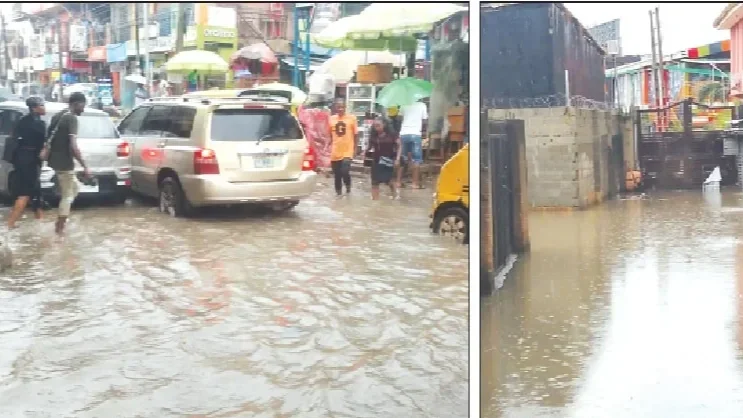
Heavy Rain Batters Lagos, Leaving Residential Areas Underwater
Heavy rainfall has triggered widespread flooding across several communities in Lagos State, submerging homes, disrupting electricity supply and affecting transportation as the rainy season intensifies. The flooding has renewed concerns about the resilience of the state's drainage infrastructure and the vulnerability of residential communities to extreme weather events, underscoring the need for sustained investment in flood control and urban planning.
/ You Might Also Like /




The latest flooding affected numerous residential neighbourhoods, leaving many residents stranded and causing damage to homes and personal property. In some locations, electricity supply was interrupted after floodwaters affected distribution infrastructure, while major roads became impassable because of rising water levels.
Homes and Communities Bear the Brunt
Residents reported that floodwaters entered houses following hours of intense rainfall, forcing families to move belongings to safer locations while others temporarily evacuated their homes. Low-lying communities and areas with inadequate drainage were among the worst affected as stormwater overflowed into residential streets.
The flooding also disrupted daily activities, with commuters experiencing severe delays and businesses recording losses as access roads became waterlogged. In several locations, residents raised concerns about recurring flooding despite ongoing drainage improvement efforts.
Power Supply Disrupted
Beyond property damage, the flooding affected electricity supply in parts of Lagos after water impacted electrical infrastructure. Temporary outages were reported in some communities as utility operators implemented safety measures to reduce the risk of electrical hazards in flooded areas.
The disruption highlights the broader vulnerability of urban infrastructure to increasingly frequent heavy rainfall events and reinforces the need for climate-resilient utility networks capable of withstanding extreme weather conditions.
Urban Planning Challenges Resurface
The latest incident has intensified discussions around drainage management, land-use planning and the enforcement of development regulations. Urban planners have consistently warned that blocked drainage channels, development on floodplains and inadequate stormwater infrastructure continue to increase flood risks across many parts of Lagos.
As the country's commercial hub continues to expand, experts argue that improving drainage systems, preserving natural waterways and strengthening building regulations will be essential to reducing future flood impacts on residential communities and critical infrastructure.
Implications for Housing and Real Estate
Flooding remains one of the most significant environmental risks affecting Nigeria's housing market, particularly in rapidly growing urban centres. Recurrent flood events can reduce property values in high-risk locations, increase maintenance and insurance costs, and influence investment decisions by developers and homebuyers.
For the housing sector, the incident reinforces the importance of integrating climate resilience into urban development through improved drainage infrastructure, resilient building designs and stricter compliance with planning regulations.
Conclusion
The latest flooding across Lagos demonstrates the growing intersection between climate change, infrastructure resilience and housing development. While emergency responses remain important during extreme weather events, long-term solutions will depend on sustained investment in drainage infrastructure, effective urban planning and stronger enforcement of environmental regulations. Addressing these structural challenges will be critical to protecting homes, supporting sustainable urban growth and improving the resilience of Nigeria's largest city.
READ MORE