Lagos Customs Office Fire Puts Building Safety and Electrical Risks in Focus
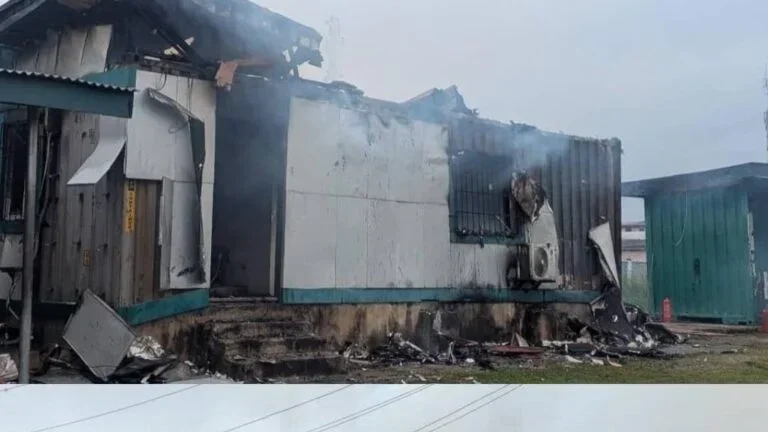
Fire damages Lagos Customs office
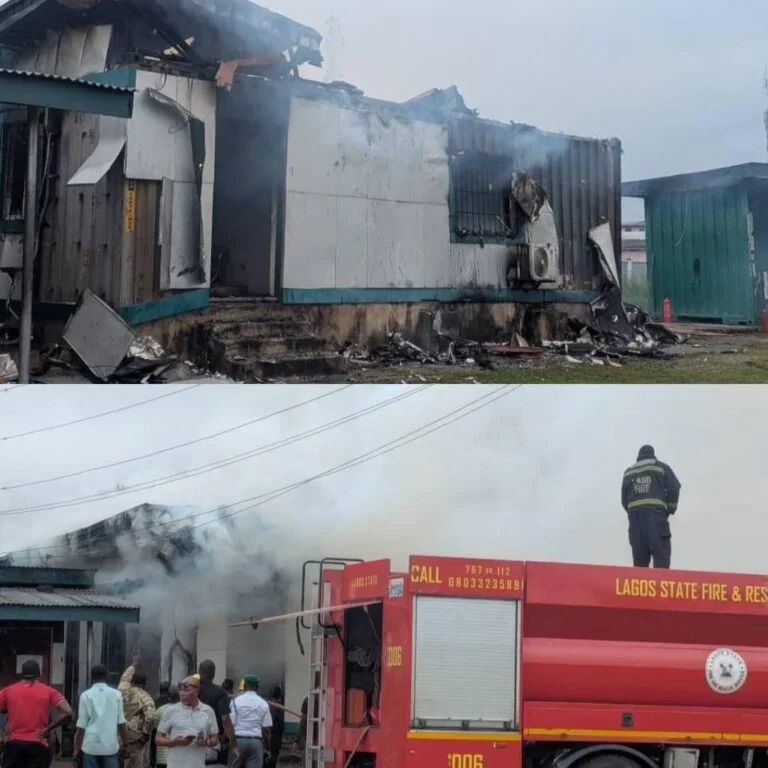
A fire at the Nigeria Customs Service (NCS) Western Marine Command office in Apapa, Lagos, has destroyed property worth millions of naira and raised fresh concerns about electrical and fire safety in public buildings.
The fire reportedly started at about 10:23 a.m. on Monday following an electrical surge in the conference room before spreading to other sections of the building. Customs officers attempted to contain the blaze before personnel from the Lagos State Fire and Rescue Service arrived at about 10:45 a.m.
/ You Might Also Like /




Fire Triggers Investigation
The incident occurred shortly after Timothy Jonah resumed as Deputy Comptroller of the Western Marine Command.
Jonah described the outbreak as unfortunate and said the command would establish a committee to investigate its cause.
He also said measures would be introduced to strengthen safety protocols and reduce the risk of a recurrence.
The reported electrical origin of the fire makes the investigation particularly relevant to the condition of electrical installations, maintenance practices and fire-prevention systems within the facility.
Electrical Risks Remain a Building Safety Concern
Electrical faults and surges can pose significant risks in offices, commercial buildings and other properties where ageing installations, overloaded circuits or inadequate protection systems are present.
The Apapa incident therefore highlights the importance of regular electrical inspections, maintenance of wiring and equipment, functioning fire detection systems and accessible emergency response infrastructure.
For property owners and facility managers, these measures form part of the broader responsibility of protecting occupants, assets and buildings from preventable fire risks.
Apapa’s Industrial Environment Raises Property Safety Stakes
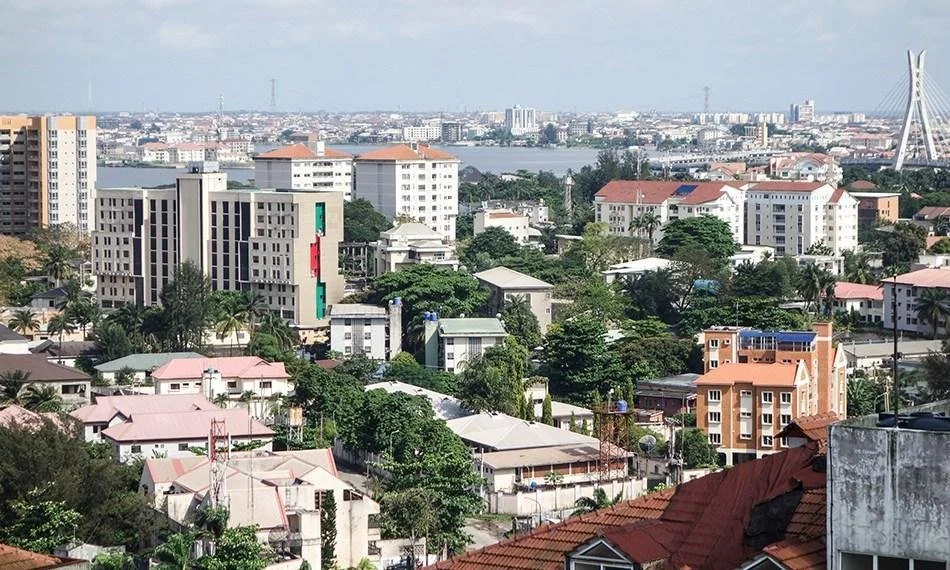
The incident also occurred in Apapa, one of Lagos’ major industrial, maritime and logistics locations.
The area hosts ports, warehouses, offices, industrial facilities and other commercial properties, making fire safety particularly important because incidents can potentially affect neighbouring buildings and critical economic infrastructure.
Premium Times noted that the Customs office fire occurred about three months after a separate fire at the Bono Energy Terminal in the Coconut area of Olodi Apapa. That July incident involved a five-million-litre Automotive Gas Oil storage tank, although the fire was contained before spreading to nearby petroleum storage facilities. No casualty was recorded.
Fire Preparedness Matters for Commercial Property
For Lagos’ commercial property market, fire safety is not only an operational issue but also a property-risk consideration.
Buildings with appropriate electrical systems, fire detection equipment, extinguishing systems, emergency exits and clear evacuation procedures can reduce the potential consequences of fire incidents.
The effectiveness of emergency response is equally important. In the Customs incident, personnel initially attempted to contain the fire before the state fire service arrived, demonstrating the importance of having both internal response procedures and external emergency services available.
Safety Review Could Strengthen Building Management
The planned investigation provides an opportunity to identify the specific cause of the electrical surge and assess whether additional safety measures are required at the facility.
For public and commercial buildings more broadly, such investigations can help identify recurring risks and encourage stronger preventive maintenance, electrical inspections and emergency-response planning.
Outlook
The Apapa Customs office fire highlights how a single electrical incident can damage public property and disrupt the use of an important facility.
As Lagos continues to expand its commercial and industrial property base, stronger attention to electrical maintenance, fire prevention and emergency preparedness will remain important for protecting buildings, businesses and public infrastructure.
READ MORE